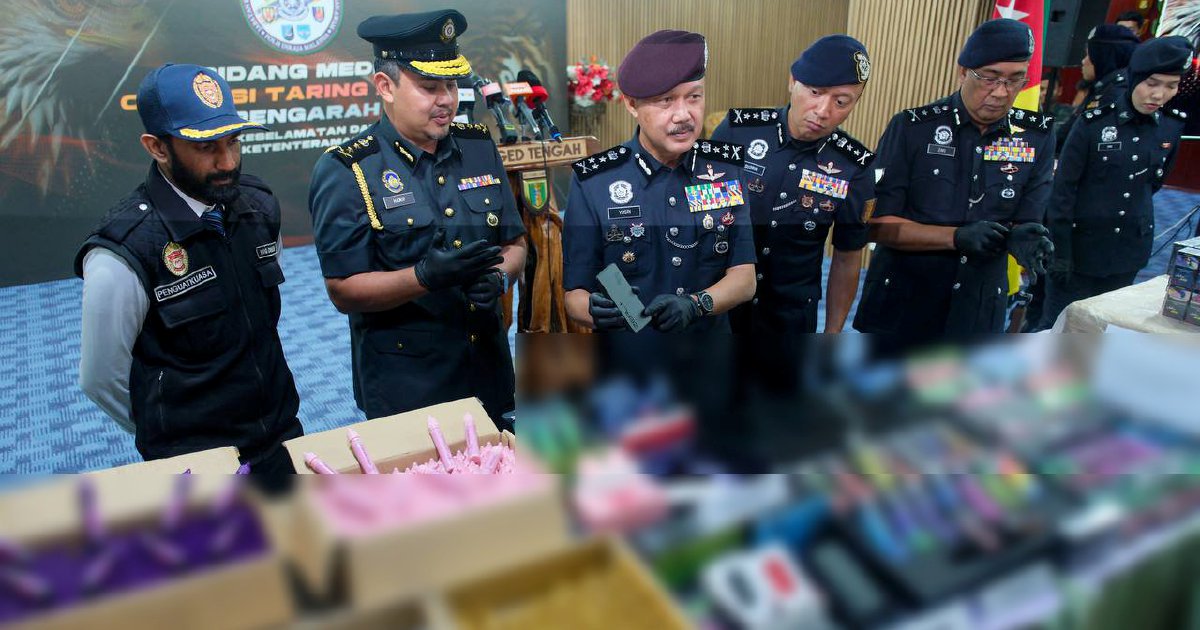
In a significant blow to organised tobacco smuggling networks, Malaysian authorities have successfully intercepted a substantial cache of illicit vaping devices and counterfeit cigarettes during intensive enforcement operations across Selangor in late last month. The seizures, valued at over RM15.5 million, represent one of the larger contraband interceptions in recent months and underscore the intensifying battle against illicit trade in restricted consumer goods.
The two coordinated operations targeted distribution networks suspected of supplying illegal tobacco and nicotine products across the Klang Valley and surrounding regions. Law enforcement officers deployed surveillance tactics and intelligence-led approaches to identify warehouses and storage facilities allegedly harbouring smuggled inventory. The coordinated nature of the raids suggests authorities had developed a comprehensive understanding of the supply chain through preceding investigative work.
Contrabanding of cigarettes and vaping products has emerged as a persistent challenge for Malaysian enforcement agencies. The illicit trade undermines legitimate retail channels, deprives the government of substantial excise duty revenue, and creates unregulated consumer products that bypass health and safety standards. Selangor, as the nation's economic heartland with significant port infrastructure and logistical hubs, has become a strategic focal point for smuggling operations seeking to distribute contraband throughout the peninsula.
The operations highlight the growing sophistication of smuggling syndicates operating within Malaysia's borders. These organisations typically exploit gaps in border security, utilise commercial shipping and logistical networks to mask illegal consignments, and maintain networks of retailers and street-level distributors. The scale of the RM15.5 million seizure indicates substantial operational capacity within these criminal networks, suggesting they command considerable capital and organisational resources.
Vaping products represent an increasingly contested category within Malaysia's regulatory framework. While nicotine-containing vapes remain prohibited for importation and sale under the Tobacco and Smoking Control Regulations, a thriving black market has developed to service consumer demand. The prevalence of these products in confiscation operations reflects both their commercial appeal to smugglers and their demand among certain consumer segments, particularly younger demographics.
The financial implications of such smuggling operations extend beyond individual law enforcement successes. When contraband products flood the market at below-retail prices, legitimate retailers face competitive pressure that erodes their profit margins and sustainability. This dynamic has prompted concerned business associations to advocate for more aggressive enforcement, framing anti-smuggling operations as essential to protecting legitimate commerce and employment in the tobacco retail sector.
From a revenue perspective, the Malaysian government loses significant excise taxation when contraband products displace legitimate sales. Tobacco excise duty represents a material revenue source for federal coffers, and the thriving grey market for smuggled goods represents a persistent leakage from the intended taxation base. Enforcement agencies argue that stronger interception rates, coupled with enhanced border controls, remain essential to combating this erosion.
The geographic concentration of smuggling activities within Selangor reflects the state's infrastructural advantages for contraband distribution. Major ports, industrial zones, and transportation corridors provide smugglers with entry points and distribution networks. Law enforcement's strategic focus on Selangor represents a logical prioritisation of resources, though it also raises broader questions about whether enforcement can adequately address supply-side pressures when demand persists among Malaysian consumers.
Police have indicated their commitment to sustained enforcement against smuggling networks. Beyond confiscation operations, authorities are pursuing investigations into the supply chain components revealed through these raids. Such investigations typically target warehouse operators, transport coordinators, and retail distribution points, with enforcement extending across multiple tiers of the smuggling apparatus rather than focusing narrowly on street-level transactions.
The effectiveness of these operations depends partly on sustained intelligence gathering and inter-agency coordination. Collaboration between police, customs authorities, and other relevant bodies creates more comprehensive enforcement capacity than fragmented efforts by individual agencies. The scale and coordination evident in these Selangor operations suggests such inter-agency mechanisms are functioning, though persistent smuggling volumes indicate that enforcement alone cannot resolve underlying market dynamics.
For Malaysian consumers, the proliferation of unregulated contraband products carries health risks that regulatory frameworks attempt to mitigate. Counterfeit cigarettes may employ inferior quality control standards, while unregulated vaping liquids lack the testing and composition verification required of legitimate products. Enforcement operations therefore serve protective functions beyond revenue collection and economic competition considerations.
Looking ahead, the persistence of smuggling despite substantial enforcement efforts suggests that comprehensive policy approaches combining interdiction with demand-side interventions may be necessary. Pricing mechanisms, regulatory clarity, and public health messaging all interact with enforcement capacity to influence the viability of smuggling operations. The RM15.5 million seizure demonstrates capability but also implicitly acknowledges that the broader smuggling challenge remains substantial.

