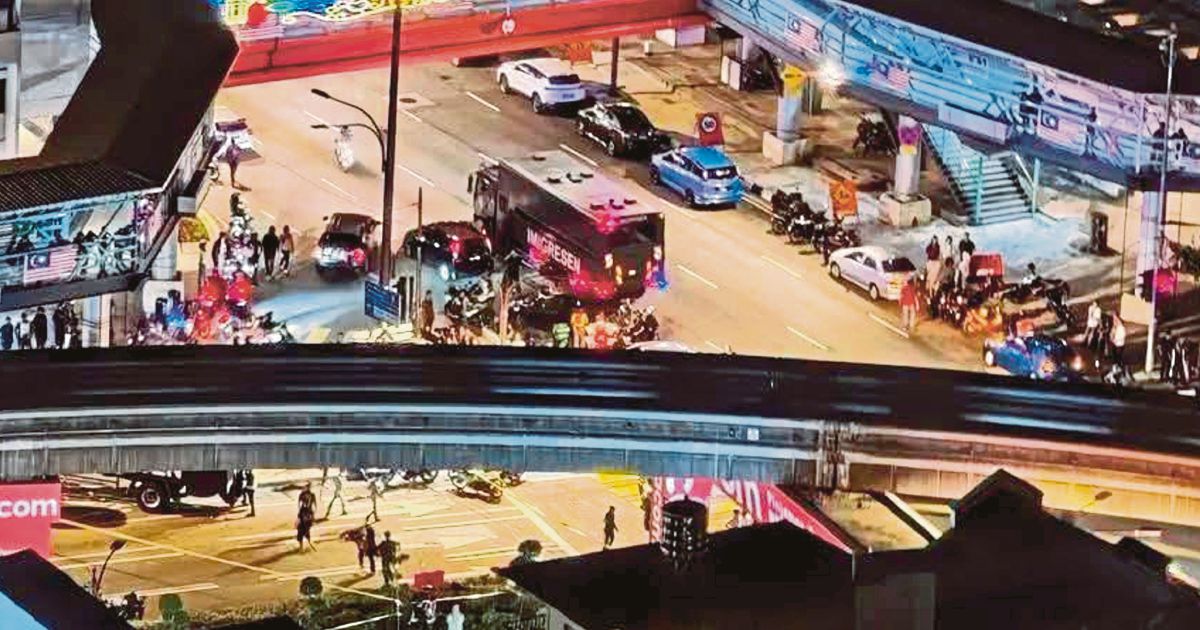
Investigative efforts surrounding a tragic collision on Jalan Sultan Ismail are now centring on detailed video evidence, with police systematically reviewing both dashcam recordings and surveillance camera footage to establish the circumstances of the accident. The incident, which occurred in the early hours of the previous day, resulted in the death of a father and his two daughters, marking a devastating loss for their family and prompting heightened scrutiny into road safety practices among government vehicles operating in the capital's congested arterial routes.
The involvement of an Immigration Department lorry in the fatal collision has drawn particular attention to fleet management and driver conduct within government agencies. Such accidents involving official vehicles often trigger broader questions about training standards, vehicle maintenance protocols, and operational procedures that are meant to safeguard both drivers and the public. The Immigration Department, a critical institution responsible for border management and population tracking, finds itself at the centre of a criminal investigation that may yield recommendations extending beyond this single incident.
Jalan Sultan Ismail remains one of Kuala Lumpur's busiest thoroughfares, connecting the commercial hub of Bukit Bintang with northern districts. The route experiences heavy congestion during peak hours and carries substantial volumes of private and commercial traffic. Accidents on this stretch, particularly those involving larger vehicles, carry heightened risk due to the density of vehicles and pedestrian movement, making the early-morning timing of this collision noteworthy as investigators consider factors such as visibility, traffic conditions, and driver alertness at that hour.
The decision to prioritise dashcam and CCTV analysis reflects modern investigative methodology. Dashcams, now increasingly common in Malaysian commercial and government vehicles, provide crucial perspective from the vehicle involved, potentially capturing the moments immediately preceding impact. CCTV networks, particularly in central Kuala Lumpur where private establishments and municipal systems maintain comprehensive coverage, offer independent corroboration and alternate angles essential for accident reconstruction. Together, these sources can establish vehicle speeds, lane positioning, traffic signal compliance, and the actions of all parties involved.
Families affected by fatal road accidents frequently press for transparent investigations and clear findings regarding causation. In cases where government vehicles are involved, public confidence in institutional accountability becomes an additional dimension. The authorities' methodical approach to evidence gathering suggests awareness of these expectations and the need to establish facts that can withstand public scrutiny and potential legal proceedings.
Road safety remains an persistent challenge across Malaysia, with government agencies periodically launching campaigns and enforcement initiatives to reduce fatalities. Accidents involving official vehicles carry particular symbolic weight, as they may suggest systemic issues with fleet management, driver training, or workplace safety culture. The Insurance Institute for Highway Safety and similar bodies regularly highlight the importance of comprehensive driver training programmes, regardless of vehicle type or ownership.
The preliminary stages of investigation are typically characterised by information gathering and evidence preservation. Once video materials are fully reviewed and witnesses interviewed, accident reconstruction specialists may conduct detailed analysis to determine contributing factors such as mechanical failure, driver error, weather conditions, or the actions of other road users. This information typically informs both criminal proceedings and civil liability assessments.
For Malaysian motorists and transport operators, incidents of this severity serve as reminders of the consequences of inattention or non-compliance with safety protocols. Government agencies, which operate large fleets across the country, face particular responsibility to demonstrate exemplary standards that set precedent for professional driving culture. The scrutiny surrounding this accident may prompt reviews of operational procedures within the Immigration Department and potentially influence broader government vehicle management policies.
The tragedy also underscores the vulnerability of families on Malaysian roads, where vehicle safety features, driver competence, and infrastructure quality collectively determine whether journeys end safely. As investigations proceed and video evidence is processed, insights gained may contribute to discussions about road safety improvements and enforcement strategies that extend beyond this single incident to address systemic vulnerabilities in the nation's transport system.

