The Negeri Sembilan police force has initiated a formal investigation into a TikTok video that has sparked public concern ahead of the state election. The inquiry was prompted by 11 separate reports lodged with authorities regarding the video's content, which allegedly includes statements by a political party addressing sensitive issues related to the state's royal institution. The timing of the investigation is significant, coming just days before the scheduled polling date and as the state gears up for an important electoral exercise.
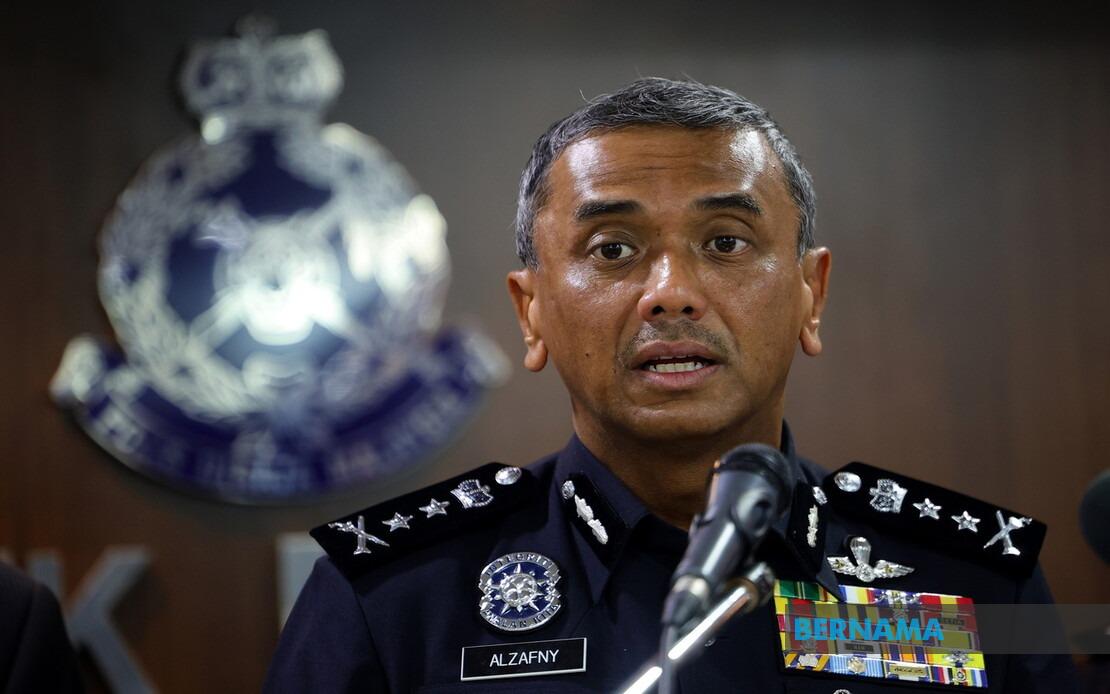
Datek Alzafny Ahmad, the state police chief, confirmed the development in a statement and outlined the specific legal frameworks guiding the inquiry. Investigators are currently examining the video's substantive content and the broader context surrounding the remarks made within it. The investigation is being conducted under multiple legislative provisions, including Section 4(1) of the Election Offences Act 1954, which governs conduct during electoral periods; Section 505(b) of the Penal Code, which addresses statements intended to cause public alarm; and Section 233 of the Communications and Multimedia Act 1998, which covers offensive online content. This multi-layered legal approach reflects the gravity with which authorities are treating the matter.
The invocation of election-specific offences legislation is particularly noteworthy given that Negeri Sembilan is in the final stretch of its electoral campaign. Under the Election Offences Act 1954, there are strict prohibitions on utterances during the election period that could be deemed prejudicial to candidates, political parties, or the democratic process itself. The inclusion of this provision suggests that investigators are examining whether the video's content may have crossed the line from legitimate political discourse into conduct that violates electoral regulations. Such determinations can be complex, as they require balancing citizens' rights to political expression with the need to maintain electoral integrity and public order during sensitive periods.
Section 505(b) of the Penal Code pertains to statements made with intent to cause public fear or alarm, or which are recklessly made knowing they are likely to cause such effects. This provision is typically deployed in cases where communications are deemed inflammatory or likely to provoke public unrest. The police's inclusion of this charge suggests that some of the content in the video may be perceived as inflammatory in nature, potentially touching on communal sensitivities. The Penal Code approach is distinct from election-specific legislation, as it does not require the conduct to occur during an election period but rather focuses on the inherent nature and likely impact of the statements themselves.
The third legislative avenue being explored—Section 233 of the Communications and Multimedia Act 1998—reflects contemporary concerns about online platforms and digital content. This section empowers authorities to investigate offensive, indecent, false, or menacing messages transmitted via electronic networks. As TikTok remains one of Southeast Asia's most influential social media platforms, particularly among younger demographics, the use of this provision underscores the regulatory framework governing digital political communication in Malaysia. The provision has been increasingly invoked in recent years as political discourse has increasingly moved to social media channels.
Most significantly, the video's alleged focus on the royal institution places it within Malaysia's most sensitive constitutional territory. The monarchy holds a unique position in the Malaysian constitutional framework, with explicit protections codified in Article 10(4) of the Federal Constitution, which prohibits seditious speech and includes statements questioning the institution of the Yang di-Pertuan Agong or the Rulers. This constitutional protection reflects the institution's foundational role in the Malaysian political system. Any statement that could be construed as disrespectful toward the royal institution—whether at federal or state level—carries substantial legal and social consequences. Statements touching on the Negeri Sembilan Ruler, who is a key institutional figure in state governance, fall squarely within this protective framework.
The police chief has issued a public advisory asking citizens to refrain from speculating about or recirculating the video's content. This cautionary stance reflects a deliberate enforcement strategy aimed at preventing the video's further spread and viral amplification, which could potentially influence voter sentiment during the critical pre-election period. Authorities are concerned that continued circulation could compromise the investigation itself, as it would make it increasingly difficult to establish the video's original context and assess actual public impact. Additionally, the wide distribution of potentially inflammatory content could contribute to communal tensions or undermine public confidence in the election process itself.
Alzafny has simultaneously called upon all political actors and citizens to exercise responsibility in their use of social media platforms. His statement emphasizes the importance of avoiding content that touches on the three-R framework—race, religion, and the royal institution—categories that Malaysian law recognizes as particularly sensitive due to their potential to fracture communal harmony. The reminder is targeted at all parties: political contestants, their supporters, and the general public. In the context of an electoral campaign, such reminders carry particular weight, as they signal to competing candidates and their machinery that law enforcement agencies will actively monitor for violations.
The investigation emerges at a critical juncture in the Negeri Sembilan electoral cycle. The following day was designated for early voting, allowing certain categories of voters—including members of the security forces, election workers, and those unable to vote on polling day—to cast their ballots. This early voting window itself reflects the tight timeline leading to the main polling date scheduled for Saturday, August 1. The compressed schedule means that any investigation findings or developments could influence voter sentiment in the remaining days before the election, adding another layer of importance to the police's handling of the matter.
For Malaysian observers and regional analysts, this incident reflects broader ongoing tensions between digital political communication, constitutional protections, and electoral integrity. Southeast Asia has witnessed numerous instances of social media content inflaming political tensions, and Malaysia's regulatory response—through the combination of election law, criminal code provisions, and multimedia legislation—represents a comprehensive but sometimes controversial approach. The investigation will likely attract attention from civil liberties advocates, political parties, and international observers monitoring election conduct. How authorities navigate the investigation's conclusion, and whether charges are filed, could set important precedents for the boundaries of political speech in Malaysian digital spaces during electoral periods.
The incident also underscores the evolving challenge facing election commissions and law enforcement agencies throughout the region: managing an information environment where content spreads rapidly across borders and platforms, and where traditional enforcement mechanisms sometimes struggle to keep pace with the velocity of digital communication. TikTok's particular architecture—designed to amplify engaging content regardless of its veracity or appropriateness—presents specific challenges for regulators attempting to maintain electoral standards. Negeri Sembilan's experience in this regard will likely inform how other Malaysian states and the federal government approach similar situations in future electoral cycles.

