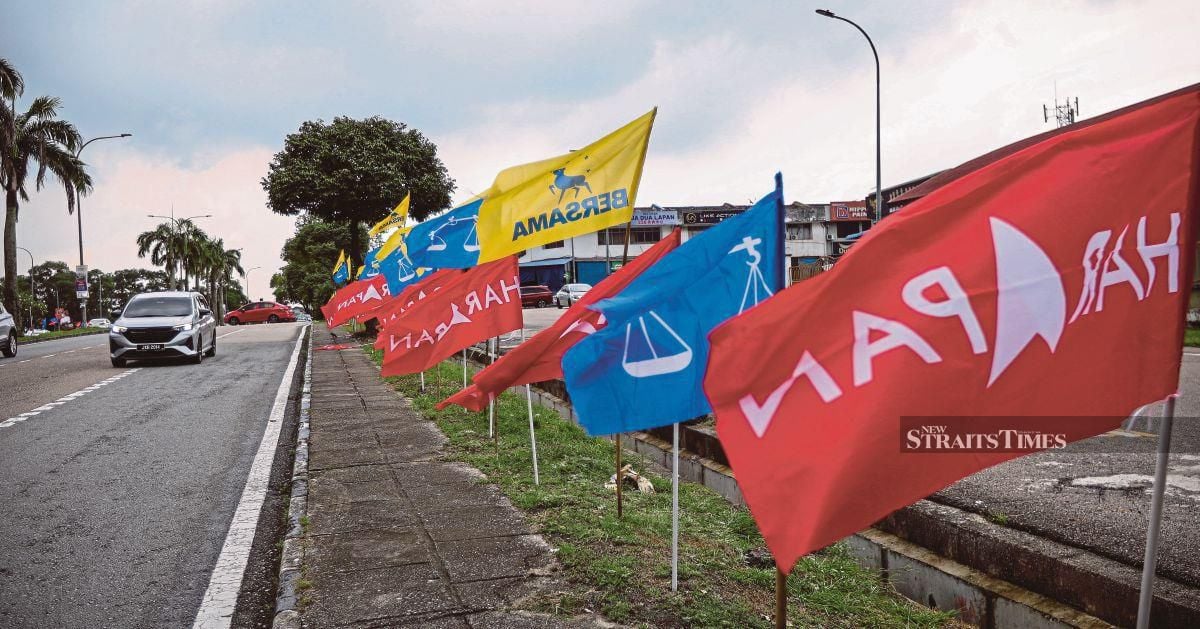
Police in Johor have formally opened 18 investigation papers targeting alleged breaches of electoral law during the recent state election campaign, according to reports submitted by the Johor Bahru police contingent. The investigations stem from a broader pool of 56 complaints received throughout the campaign period, which ran from July 27 through to the election date, indicating growing vigilance over conduct during the ballot cycle.
The establishment of these investigation papers represents a significant enforcement effort ahead of the state election, underscoring the importance placed by law enforcement on maintaining electoral integrity. The ratio of formal investigations to total complaints—roughly one paper opened for every three reports received—suggests that police have applied selective scrutiny, focusing their resources on cases deemed to have sufficient merit or gravity to warrant formal probe procedures.
Election offences encompass a broad range of conduct, from violations of campaign financing rules and unauthorized electioneering in prohibited zones to breaches of the advertising code and misuse of public resources. In Malaysia's electoral framework, such infractions fall under the Elections Offences Act and related legislation, carrying penalties that range from fines to imprisonment depending on the severity and nature of the violation. The breadth of potential offences means that election campaigns routinely attract regulatory attention, though the scale of investigations varies between state and federal contests.
The Johor election, being the state's 16th such poll, carries particular significance within Malaysia's political landscape. Johor's electoral dynamics influence broader national calculations, given the state's substantial population, economic importance, and historical role as a political bellwether. Election monitoring during such contests typically intensifies as stakeholders across the political spectrum maintain heightened awareness of procedural compliance and potential infractions.
The timeline from late July through the election date encompasses the official campaign period when most restrictions on political activities come into effect. During this window, rules governing candidate conduct, party spending, use of media resources, and public assembly become more stringent. These regulations exist to create a level playing field and prevent the abuse of incumbent advantages, though enforcement remains challenging given the volume of campaign activity across multiple constituencies and the distributed nature of political organizing.
The 56 reports received indicate public engagement with electoral oversight mechanisms, suggesting that citizens, party monitors, or officials flagged suspected violations for investigation. Not all complaints automatically trigger formal investigation papers; police typically conduct preliminary reviews to assess whether allegations contain sufficient specificity and evidence to warrant full inquiry. The decision to formalize 18 of the 56 reports reflects judgments about evidentiary thresholds and investigative priority.
From a Malaysian governance perspective, the investigation activity demonstrates the operational capacity of state police forces to manage election-related matters alongside their regular duties. However, capacity constraints mean that detailed investigation of all alleged offences remains impractical, requiring police to allocate resources strategically. The pattern of complaint and investigation figures offers insights into where potential vulnerabilities or disputes are concentrated during campaign periods.
Regional context matters as well, since Johor's election occurred within Malaysia's broader multi-level electoral environment. State elections in Peninsular Malaysia happen on varying schedules, and the electoral integrity challenges identified in one state often reflect common patterns seen elsewhere. Election commissions and law enforcement agencies increasingly share intelligence and best practices across jurisdictions, building institutional knowledge about emerging forms of misconduct or enforcement gaps.
The investigation phase will involve gathering evidence, interviewing witnesses and suspects, and building cases that may potentially result in charges before election courts or criminal tribunals. The timelines for completing these investigations vary; some may be resolved quickly while others could extend months beyond the election date. Ultimately, investigation papers represent the initial step in an enforcement process that can take considerable time to reach resolution through legal proceedings.
For political parties and candidates in future elections, the presence of 18 active investigations signals that enforcement authorities are monitoring conduct seriously. This knowledge typically encourages greater compliance with electoral rules, though it does not eliminate infractions entirely. The balancing act between maintaining campaign dynamism and enforcing electoral standards remains a perpetual challenge in democratic systems, and Malaysia's experience during the Johor election reflects these broader tensions in electoral administration and governance.

