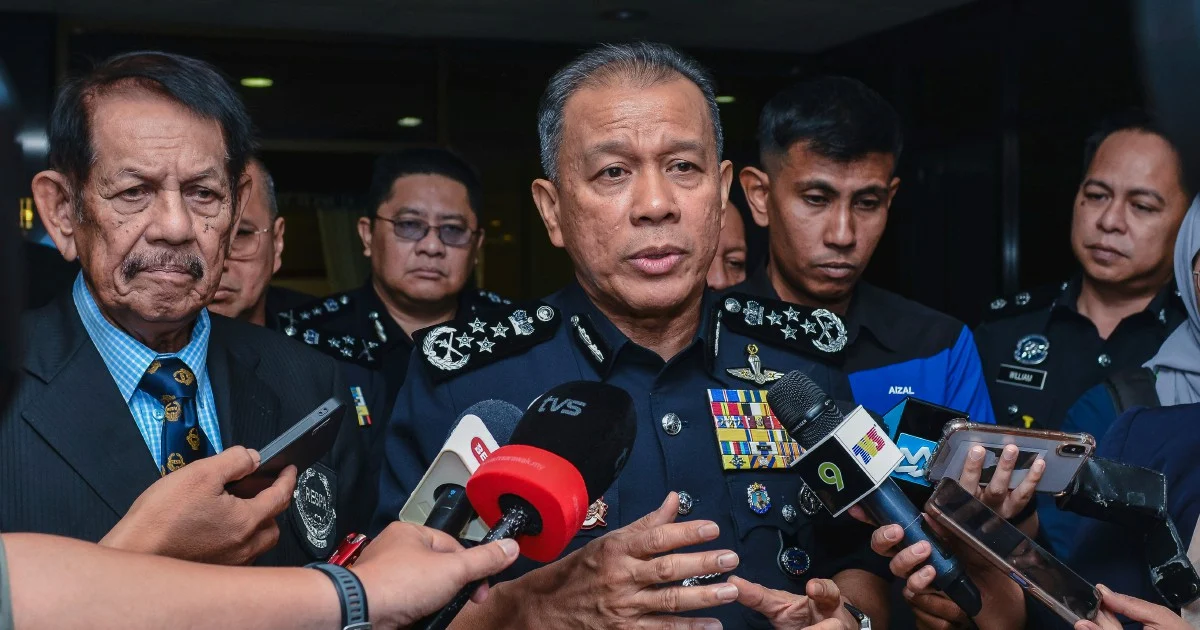
The Royal Malaysia Police have initiated a formal disciplinary investigation into one of their officers following the emergence of a video that sparked significant public backlash online. The incident, which gained traction through social media platforms, appears to have involved conduct that residents found deeply offensive, according to statements from the Inspector-General of Police. The investigation represents a serious response to allegations that challenged public perception of professional standards within the force.
The circumstances surrounding the viral footage remain subject to active inquiry, with authorities examining the precise details of what transpired during the officer's time in China. The timing of the investigation underscores the police force's commitment to maintaining discipline within its ranks, particularly when actions by individual members threaten the institution's reputation. Such high-profile cases involving online amplification have become increasingly common, drawing immediate scrutiny from both traditional media and digital communities across Malaysia.
Social media's role in exposing police conduct has transformed the landscape of internal accountability mechanisms. When videos depicting alleged misconduct by law enforcement officers gain widespread traction, pressure mounts from the public for swift and transparent action. The police force's decision to launch disciplinary proceedings suggests they recognised the severity of public concern and the potential damage to community trust if the matter was perceived as being handled inadequately.
The investigation follows a pattern seen internationally, where officers travelling or working overseas represent the institution abroad, and their behaviour is scrutinised within the context of national representation. For Malaysia, whose police force operates under constant examination by international observers and rights groups, incidents involving allegations of disrespect towards foreign residents carry particular sensitivity. The potential diplomatic implications of such conduct, combined with its domestic public relations impact, necessitate rapid institutional response.
Disciplinary proceedings within the Royal Malaysia Police typically follow established protocols designed to ensure fairness to the accused member while maintaining public confidence in the process. These investigations examine whether conduct breaches the force's code of conduct or professional standards. The severity of allegations, combined with the public nature of the incident due to its viral status, suggests the case will receive elevated attention within the force's internal justice system.
Malaysian police have faced mounting pressure in recent years to demonstrate accountability and responsiveness to public concerns about officer behaviour. High-profile cases disseminated through digital channels have accelerated expectations for transparent outcomes. The decision to formally investigate this matter publicly aligns with evolving standards of institutional transparency, where silence or delayed action risks compounding reputational damage rather than mitigating it.
The broader context of police-public relations in Malaysia suggests this incident taps into existing anxieties about professional conduct standards. Members of the public increasingly expect that officers, whether on official duty or travelling privately, will uphold the dignity associated with their position. Allegations of insulting behaviour towards residents of another country strike at the heart of questions about whether the force's recruitment, training, and supervisory systems ensure members meet expected standards of professionalism and respect.
International dimensions of the case add complexity to its investigation and resolution. Allegations involving conduct abroad may engage diplomatic channels, depending on the severity of the incident and whether it affected official bilateral relations or involved specific complainants seeking redress. The police force's response therefore operates within multiple accountability frameworks, including domestic disciplinary processes, potential international considerations, and the court of public opinion shaped by viral media circulation.
The investigation itself will likely examine whether the officer's conduct violated specific provisions within police regulations and whether the behaviour, as characterised in online accounts, represents a deliberate departure from professional standards or stemmed from misunderstanding or context that video excerpts might not fully capture. Disciplinary investigators will scrutinise the officer's account alongside available evidence and statements from relevant parties.
For Malaysian public discourse around policing and institutional accountability, this case exemplifies how digital media has democratised the exposure and examination of official conduct. The police force's responsive investigation demonstrates that institutional accountability mechanisms are being activated by public pressure channelled through social media. However, questions remain about whether such reactive measures, triggered by viral incidents, represent sufficient engagement with systemic questions about training, supervision, and professional culture within the force.
The resolution of this disciplinary matter will likely set precedent for how the police force handles similar future cases involving social media amplification. Whether the investigation results in minor administrative correction, retraining, formal censure, or more severe disciplinary action will signal the force's seriousness in addressing professional conduct violations brought to light through online channels. This case thus extends beyond the individual officer to reflect broader institutional approaches to accountability in an age of unprecedented public scrutiny.