Authorities have initiated a formal investigation into the death of an individual who was in police custody, prompted by allegations of mistreatment raised by the human rights monitoring organisation Suaram. The case has intensified scrutiny on conditions within Malaysia's detention facilities and the treatment of suspects held under police guard—issues that have periodically drawn criticism from civil society groups and international observers.
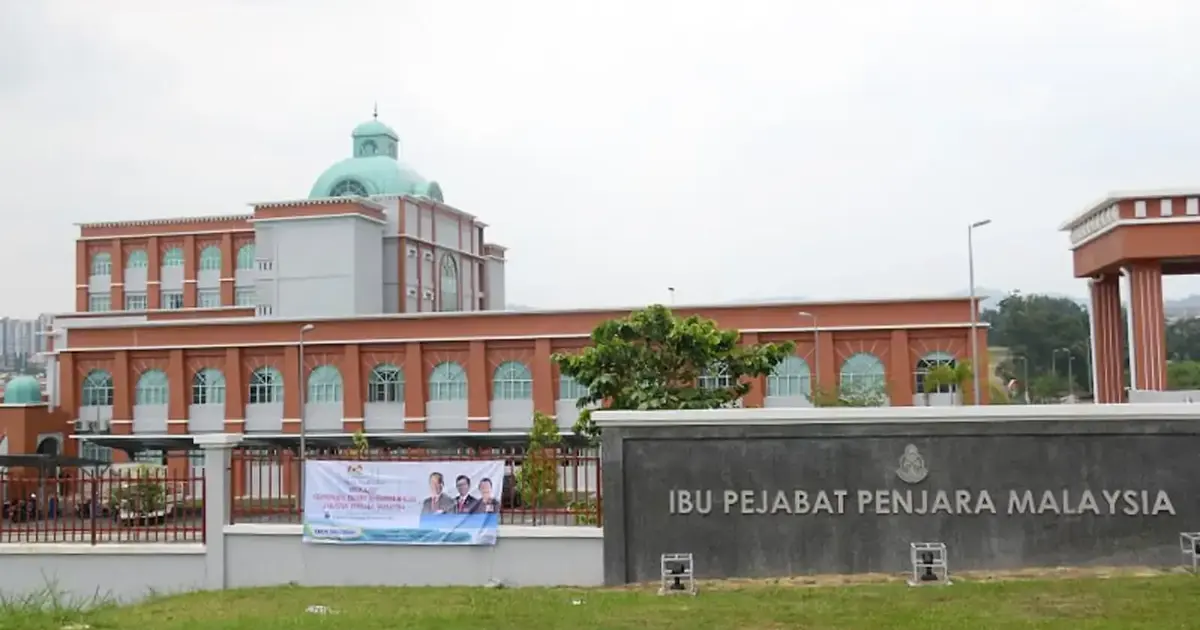
The prisons department has issued a public statement affirming its commitment to assist investigators and has specifically cautioned the public against premature speculation regarding the circumstances of the death. This measured response reflects the sensitive nature of such inquiries, which often generate considerable public concern given the power imbalance inherent in state custody and the difficulties detainees face in documenting or reporting misconduct.
Abuse allegations emerging from custodial settings carry particular weight in Malaysia's regulatory and policy landscape. When a person dies while detained, multiple layers of accountability come into play, including police internal affairs divisions, the prisons service's own oversight mechanisms, and criminal investigations. The involvement of Suaram, which has built a track record documenting allegations of extrajudicial conduct and detention centre conditions, lends credibility to the complaint and typically prompts more intensive official response than might otherwise occur.
The cooperation pledge from the prisons department suggests awareness of the reputational and legal stakes involved. Deaths in custody invariably trigger demands for transparency and can prompt calls for reform if investigations reveal systemic failures. In neighbouring jurisdictions, similar incidents have catalysed broader reviews of detention protocols, training standards, and accountability mechanisms. Malaysian authorities appear cognisant that swift, professional investigation may help contain broader institutional damage.
For Malaysian civil society and international human rights advocates, this case represents a critical test of the independence and credibility of domestic investigation mechanisms. Suaram's decision to publicise the allegations rather than allow them to be handled quietly within official channels suggests confidence in the public interest dimension of the complaint. The organisation has historically played an important watchdog role, particularly regarding claims that fall outside the formal complaints machinery available to detainees or their families.
The broader context matters considerably here. Malaysia's detention system has faced recurring criticism in international human rights reports, particularly regarding conditions in lock-ups and temporary holding facilities. Issues ranging from overcrowding to inadequate medical care to allegations of coercive interrogation have been documented in submissions to the United Nations and regional bodies. Each individual case that attracts public attention can either reinforce perceptions of systemic dysfunction or, if handled transparently and decisively, demonstrate institutional capacity for self-correction.
The investigation's scope and methodology will be closely watched by stakeholders. Will it examine only the immediate circumstances of death, or will it extend to broader questions about the detainee's treatment during custody? Will independent pathology be conducted, or will authorities rely on findings from institutional medical personnel who may face institutional pressure? These procedural details often determine whether investigations satisfy demands for accountability or leave scepticism in their wake.
From a Malaysian regional perspective, how this case unfolds carries implications beyond the individual circumstances. Southeast Asia continues to grapple with building credible, independent accountability mechanisms within security and detention systems. Countries that successfully investigate and transparently address such allegations tend to strengthen public confidence in institutional integrity, whereas defensive posturing or opacity can deepen cycles of mistrust and civil-society mobilisation.
The timing of public disclosure is also strategically significant. By bringing concerns forward promptly and allowing them to feed into official investigations while public attention remains focused, Suaram has positioned itself to potentially influence how the matter is handled at critical early stages. This approach differs markedly from delayed allegations, which often encounter questions about memory reliability and motivation.
Government agencies' willingness to permit civil society scrutiny of detention practices has generally expanded in Malaysia, though considerable friction remains between official narratives and independent monitors' findings. The prisons department's explicit cooperation message may indicate recognition that stonewalling would only amplify allegations and generate further institutional damage. This pragmatic approach, if backed by genuine investigative rigour, could provide a model for handling future sensitive cases.
Detainees and families of those in custody will inevitably observe how thoroughly this investigation proceeds and what consequences, if any, emerge. Public trust in detention systems depends substantially on visible accountability when things go wrong. Even if investigators ultimately conclude the death was not attributable to abuse, the credibility of that finding depends on whether the inquiry was genuinely independent and conducted with appropriate rigour.
The investigation's conclusion will likely shape discussions around potential policy reforms, training enhancements, or procedural safeguards. If findings substantiate abuse allegations, pressure for systemic changes could intensify. Malaysian policymakers and law enforcement leaders will need to weigh institutional defensiveness against recognition that demonstrating capacity for improvement may ultimately serve long-term institutional interests better than resistance to scrutiny.

