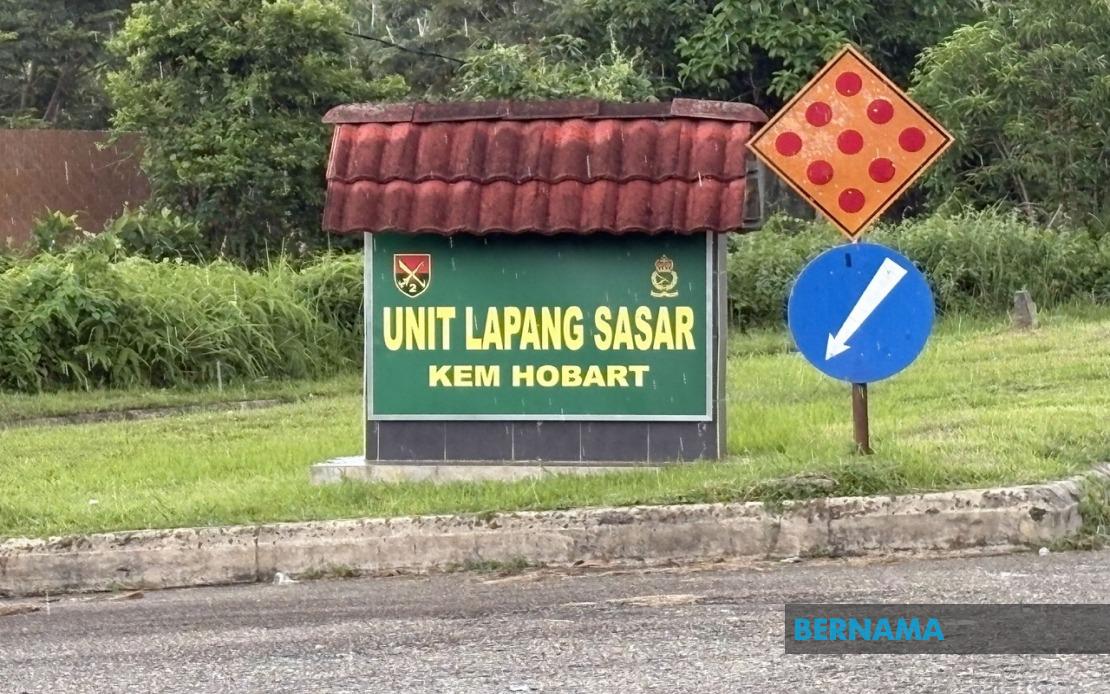
A deadly explosion during a military training exercise at Hobart Camp in Gurun has triggered a comprehensive police investigation, with authorities prioritising the collection of witness statements to establish the circumstances surrounding the incident. The tragedy occurred on June 16 during a grenade-throwing drill involving personnel from the Royal Malaysian Engineers Regiment, resulting in the deaths of two soldiers who sustained blast injuries at the scene.
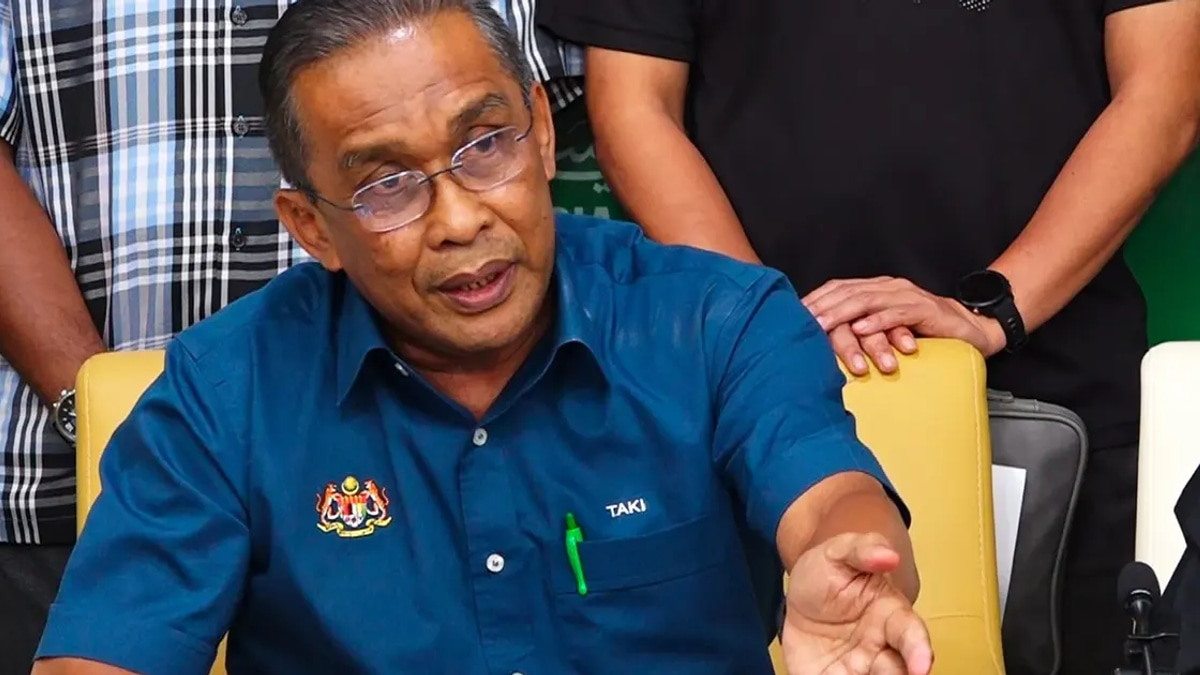
Kuala Muda police chief ACP Hanyan Ramlan confirmed that investigators have formally opened a sudden death report investigation into the explosion. The police department is actively seeking cooperation from all relevant parties to complete a thorough examination of what transpired during the combat training activity. Speaking to reporters at the Forensic Department of Sultan Abdul Halim Hospital in Sungai Petani, the police chief outlined the investigative framework being employed to understand how the incident unfolded.
The two casualties were identified as Corporal Norazmi Abu Bakar, attached to the Sixth Battalion of the Royal Malay Regiment, and Private Siti Khadijah Sungip, serving with the First Squadron of the Royal Malaysian Engineers Regiment. Both were participating in a grenade-throwing exercise conducted under the Combat Enhancement Training programme at the engineering regiment's base. The training activity was part of routine military preparedness operations undertaken by the Second Infantry Division's personnel.
The blast occurred at approximately 10.57 am during what was designed to be a controlled training environment. Despite immediate response efforts, both personnel sustained severe injuries from the explosion that proved fatal. They were transported to Sultan Abdul Halim Hospital for emergency medical treatment, though medical staff were unable to save either soldier despite their intervention efforts. The two victims were pronounced dead en route to the hospital, marking a tragic loss for Malaysia's defence force.
Following their deaths, the remains of both personnel were subsequently transferred to Sultanah Bahiyah Hospital in Alor Setar, where post-mortem examinations were conducted to determine the precise medical cause of death. These autopsies form a crucial component of the broader investigation into the incident, potentially providing forensic evidence about the nature and severity of injuries sustained during the explosion.
The Malaysian Army had previously released an official statement confirming that the incident emerged during a grenade-throwing exercise under the Combat Enhancement Training programme. This training regimen is a standard component of military operations designed to maintain soldier readiness and proficiency with explosive weapons systems. However, the programme's controlled nature suggests this was not an expected combat scenario but rather a carefully supervised training activity that resulted in an unexpected tragedy.
Police investigators plan to conduct extensive scene examinations to reconstruct the sequence of events that led to the explosion. The presence of multiple witnesses at the training ground means investigators have multiple accounts to collate and analyse. ACP Hanyan Ramlan indicated that witness statements would be recorded and cross-referenced to establish a clear narrative of the incident, including identifying any potential equipment malfunction, procedural deviation, or other contributing factors.
The investigation's sudden death classification reflects standard police protocol when deaths occur under unusual circumstances. This categorisation does not predetermine any conclusions about culpability or causation but rather ensures the matter receives appropriate investigative resources and documentation. The cooperation being sought from military authorities and other stakeholders reflects the complex nature of investigating incidents on defence force premises, where specialised equipment and training protocols are involved.
For Malaysia's military community, such incidents raise serious questions about training safety protocols and equipment maintenance standards. The Royal Malaysian Engineers Regiment and broader defence forces will likely conduct parallel internal reviews to examine whether existing safety procedures were properly observed and whether any modifications to training protocols are warranted. Such tragedies, though rare, often precipitate comprehensive reviews of military training practices across Southeast Asian defence establishments.
The deaths represent a sobering reminder of the inherent risks associated with military training involving explosive devices, even when conducted under controlled conditions with trained personnel. Both soldiers were engaged in routine professional activities when the incident occurred, highlighting how catastrophic outcomes can emerge unexpectedly during standard military operations. Their deaths will undoubtedly impact their units and the broader defence force community.
Investigators face the complex task of determining whether the explosion resulted from equipment failure, operator error, inadequate safety protocols, or unforeseen circumstances. The cooperation of surviving witnesses and military personnel familiar with the training programme will be instrumental in reconstructing events. As the investigation progresses, findings may yield important safety lessons applicable to training programmes across the region's military establishments.