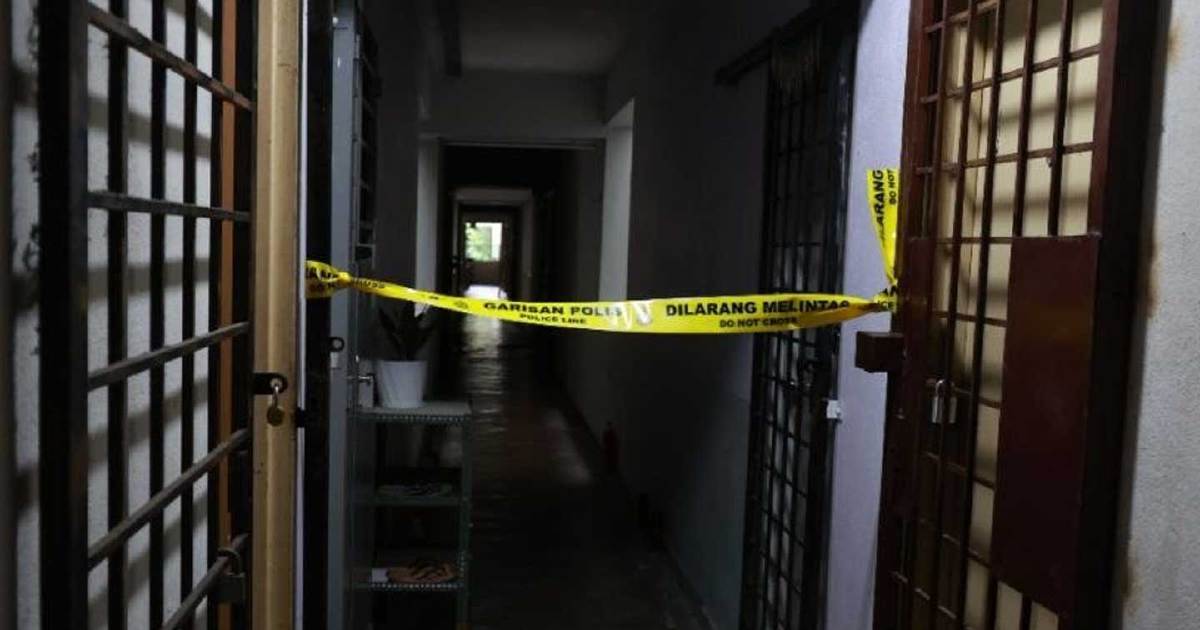
Investigators in Kajang have opened a murder inquiry following the grim discovery of a deceased woman inside a piece of luggage at a residential property located in the Taman Impian Indah neighbourhood. The finding marks a significant escalation in what police are treating as a serious criminal matter, with officers now focusing their efforts on establishing the identity of the victim and reconstructing the sequence of events that led to her death.
The discovery at the Kajang property has prompted a comprehensive forensic examination and the mobilization of resources typically reserved for homicide investigations. Police presence at the scene has been notably heightened as officers conduct preliminary interviews with occupants and neighbours who may possess vital information. The nature of how the body was concealed suggests this was not a case of accidental death, but rather deliberate concealment, compelling authorities to treat the incident with appropriate gravity.
This type of discovery presents particular investigative challenges for the Royal Malaysian Police. The use of luggage as a means of concealment indicates a degree of premeditation and planning that distinguishes this case from crimes of passion or impulse. Such methodology often indicates the perpetrator has taken deliberate steps to obscure evidence and delay detection, factors that will shape the investigative strategy moving forward. Officers will be examining the luggage itself for forensic evidence including fingerprints, fibres, and DNA material that could establish both identity and culpability.
The Kajang area, part of the greater Klang Valley metropolitan region in Selangor, is ordinarily known as a relatively residential community. The occurrence of a serious crime within this neighbourhood underscores how criminal violence can manifest in any location, regardless of community character or demographic profile. Local residents will likely experience heightened concern about safety and security as news of the investigation becomes public knowledge.
Police methodology in such cases typically involves a systematic identification process, particularly when the victim's identity remains unknown. Authorities may release photographs or descriptive details to the public to generate leads and encourage anyone with information to come forward. This collaborative approach between police and community has proven effective in numerous investigations, as members of the public often possess crucial information about missing persons or suspicious activities.
The timeline of death determination will constitute a vital component of the investigation. Forensic pathologists will conduct a post-mortem examination to establish the approximate time of death, cause of death, and whether any substances were involved. This medical evidence will help narrow the window of when the alleged crime occurred and may provide insight into whether the victim was killed at the premises or transported there afterward.
Family members or acquaintances of the victim, once identified, will become primary interview subjects. Police will seek to establish the victim's movements in the days and weeks preceding her death, her relationships with various individuals, and whether she had expressed any concerns about her safety. Such background information frequently reveals motivations or circumstances that explain why someone might have committed violence against the deceased.
The investigation will also require detailed examination of the property itself. Police forensic teams will search for additional evidence that may corroborate theories about how and why the victim came to be hidden in luggage within this particular residence. They will establish which individuals had access to the property and when, and attempt to determine whether the victim had any prior connection to the location or to those who lived there.
Neighbourhood canvas operations have likely commenced, with officers speaking with nearby residents who may have witnessed unusual activities, unfamiliar vehicles, or suspicious behaviour at the property in question. Such witness testimony, whilst sometimes indirect, has historically proven valuable in establishing timeline and identifying potential suspects. Residents who noticed anything out of the ordinary are being encouraged to contact police.
The apparent deliberate nature of the concealment raises questions about the relationship between the victim and perpetrator. Many murder cases involve individuals known to each other rather than random violence. Whether the victim and the person responsible had a domestic relationship, family connection, professional association, or entirely different relationship will significantly influence investigative direction and potential motive assessment.
Selangor police have indicated their commitment to pursuing this investigation with appropriate urgency and thoroughness. The seriousness with which authorities are treating this case reflects both the gravity of the alleged offence and the professional standards expected of Malaysian law enforcement. Updates on the investigation's progress, including identification of the victim and any suspects, are anticipated in the coming days as forensic results return and inquiries progress.
Members of the public who may possess information relevant to this investigation are urged to contact the nearest police station or call the police hotline. Even seemingly minor details about the property, surrounding activities, or missing persons reports may prove significant to detectives seeking to solve this case and bring those responsible to justice.

