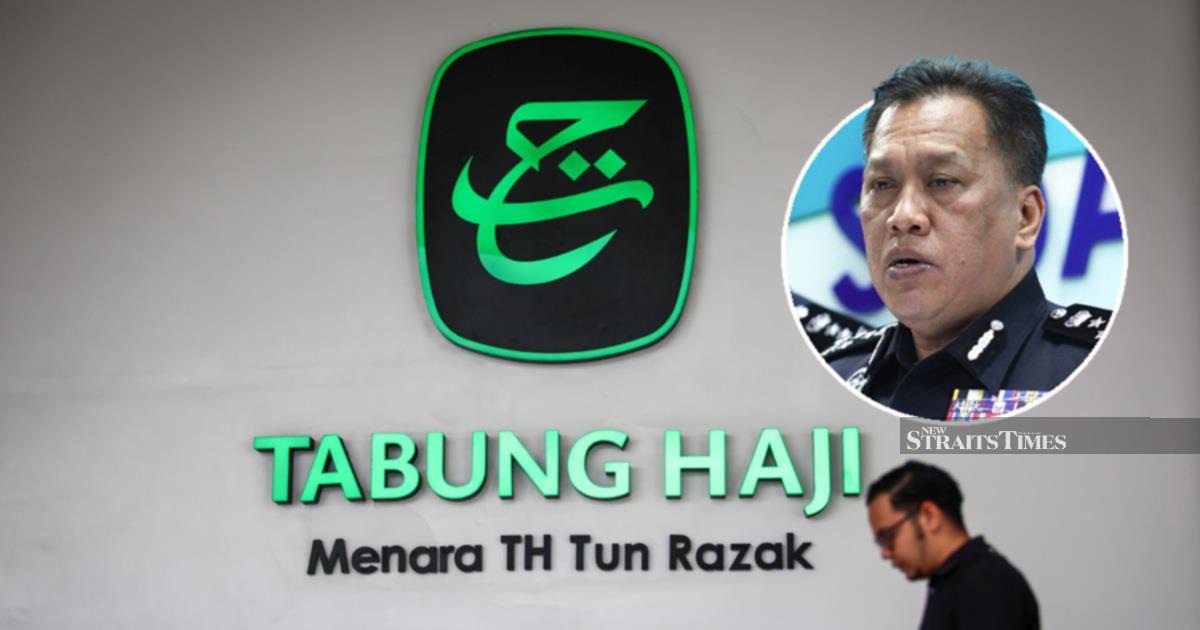
The Royal Commission of Inquiry's investigation into Lembaga Tabung Haji has entered an active police phase, with law enforcement authorities now recording statements from 134 witnesses to build a comprehensive account of the matters raised in the commission's findings. Among those interviewed, 10 were summoned recently, indicating that police efforts are still in full swing and may extend to additional individuals as the investigation progresses.
This substantial witness pool reflects the scope and complexity of the allegations emerging from the RCI process. The Lembaga Tabung Haji, as Malaysia's principal Hajj savings institution, manages billions of ringgit in funds deposited by pilgrims preparing for their journey to Mecca. Any irregularities at the organisation carry implications not only for individual account holders but for the broader Islamic finance ecosystem in Malaysia and the region.
The RCI itself was established to examine governance lapses, financial mismanagement, and operational failures within Tabung Haji over a defined period. Its report, once completed and presented, became the foundation for police investigations. The move from the commission's fact-finding mandate to formal criminal inquiries signals that authorities have identified concerns serious enough to warrant law enforcement attention.
Police documentation of witness statements serves multiple investigative purposes. Statements establish timelines of decision-making, identify who made critical choices, clarify what information was available to officials at specific moments, and build a forensic record of how transactions or policies developed. This methodical approach is essential when investigating organisational conduct, where understanding the chain of authority and accountability often proves as important as identifying discrete acts of wrongdoing.
The recent recruitment of 10 additional witnesses suggests that investigators are either pursuing new leads that emerged during initial questioning or are ensuring comprehensive coverage of key personnel and stakeholders. In large-scale institutional inquiries, witness lists often expand as investigators follow threads of evidence and clarify gaps in their understanding. The staggered approach to witness collection can also reflect resource management, as police balance this investigation against other operational demands.
For Malaysian Hajj pilgrims and their families, the investigation carries personal weight. Many Tabung Haji account holders have spent years saving through monthly contributions, viewing their deposits as secure and earmarked specifically for the sacred pilgrimage. If the RCI found that funds were misdeployed or that governance failures exposed deposits to unnecessary risk, affected pilgrims deserve clarity on what occurred and whether their savings remain protected. The police investigation therefore serves not only an accountability function but provides a mechanism to establish whether individuals need remedies or protection for their savings.
The investigation also touches on institutional credibility across Malaysia's Islamic finance sector. Tabung Haji, as a government-linked entity specialising in Hajj savings, occupies a unique position of public trust. If governance weaknesses are confirmed through police investigations and any prosecutions that follow, regulators may need to review oversight frameworks for similar institutions. Neighbouring countries in Southeast Asia that operate comparable Hajj savings vehicles may also watch Malaysia's handling of this case with interest, as precedent and lessons learned influence regional best practices.
Police investigations of institutional matters require careful management to ensure fairness and impartiality. As authorities gather statements from 134 individuals, they must maintain protocols that protect witnesses, preserve the integrity of statements, and ensure that the investigation proceeds without prejudging outcomes. Given the public sensitivity surrounding Tabung Haji and the scale of witness involvement, maintaining transparency about investigation progress, while respecting legal protocols, becomes important for public confidence.
The next phase of this investigation will likely involve analysis of the recorded statements, identification of potential offences under relevant legislation, and determination of whether charges should be preferred against any individuals or entities. The timescale for these subsequent steps depends on the complexity of the evidence, the number of potential suspects, and coordination between investigating officers and prosecutors. Public updates on progress, when released, will offer insight into investigation trajectory and whether authorities have identified specific breaches of law.
Meanwhile, Lembaga Tabung Haji continues operating, albeit under scrutiny. The institution must balance operational continuity with the reality of an ongoing investigation. Management and governance reforms may already be underway, either as part of remedial measures recommended by the RCI or as precautionary steps taken by leadership aware of reputational and legal stakes. Such internal reforms, while separate from the police investigation, could address systemic weaknesses the RCI identified.
For policymakers and regulators monitoring this case, the police investigation underscores the importance of robust governance frameworks, transparent decision-making processes, and regular audit oversight within government-linked institutions entrusted with significant public resources. The lessons drawn from Tabung Haji's experience may inform tighter controls and accountability mechanisms across similar organisations.
The 134 witness statements now on record represent the foundation of a public accountability process. As investigations deepen and findings potentially crystallise into charges or findings, Malaysia's handling of this matter will demonstrate whether institutions entrusted with public savings face genuine consequences for governance failures. For pilgrims whose Hajj dreams depend on these savings, and for a broader public concerned with institutional integrity, the answers that emerge from these investigations matter considerably.

