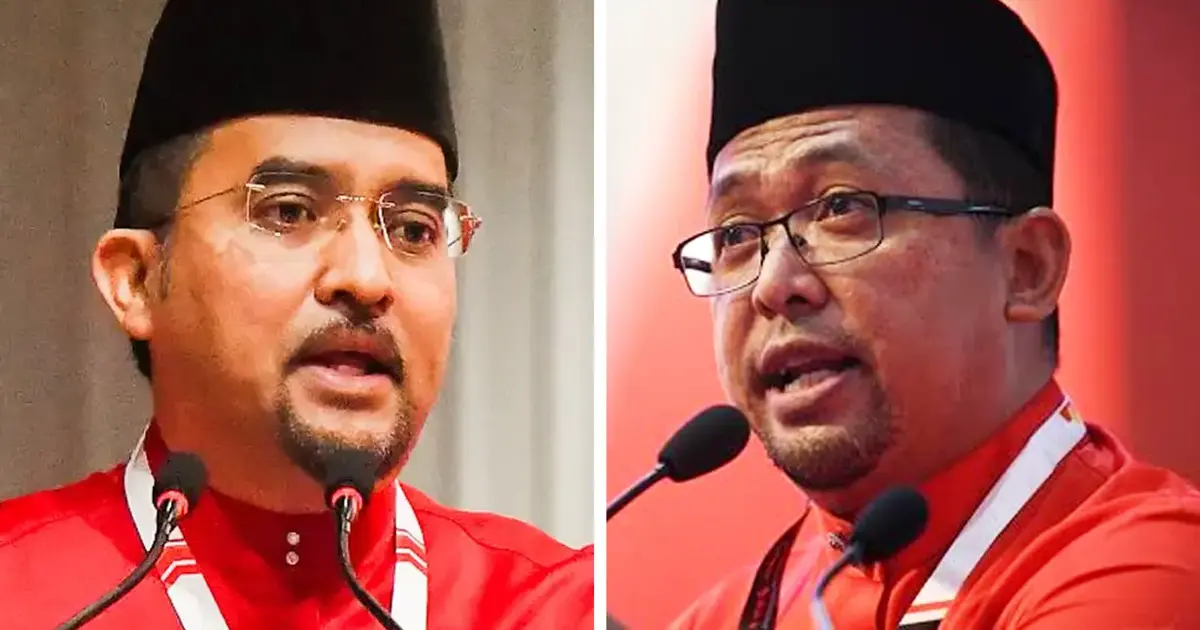
Two senior Umno leaders are now under police scrutiny following complaints filed by Pakatan Harapan's legal team regarding statements they made during recent campaign activities. The complaints centre on inflammatory remarks allegedly made about the appointment of the Negeri Sembilan Menteri Besar and claims that the DAP faction in the state wields excessive control over state institutions, including the palace. The development signals deepening tensions between Malaysia's major political coalitions as they navigate the landscape following recent electoral movements and shifts in state-level governance arrangements.
The complaints lodged represent an escalation in the use of legal mechanisms to address what Pakatan Harapan characterises as baseless and potentially seditious campaign speech. Rather than allowing such statements to circulate unchallenged within the political sphere, the coalition's legal representatives have opted to invoke law enforcement intervention, suggesting they view the remarks as crossing thresholds of acceptable political discourse. This approach underscores the intensifying polarisation between rival political camps and their competing narratives about institutional legitimacy and governance in Malaysia.
The specific allegations centre on statements regarding how the Menteri Besar position was filled in Negeri Sembilan. Such appointments, while formally the prerogative of the Ruler, operate within complex political frameworks that involve coalition negotiations and consensus-building among elected representatives. By questioning the legitimacy of the appointment process, the Umno leaders' remarks appear designed to delegitimise the current state government and cast doubt on institutional propriety. The Pakatan Harapan legal team's response suggests they view such questioning as potentially violating provisions relating to sedition and false claims about institutional functioning.
Equally significant are the allegations concerning claims that DAP "controls the palace" in Negeri Sembilan. This type of rhetoric touches on sensitive territory in Malaysian politics, as it invokes the constitutional position of the Rulers while attempting to assign undue political agency to a single party. Such framings can inflame sentiments around federalism, state autonomy, and the proper roles of traditional institutions within Malaysia's constitutional democracy. The willingness to deploy such language suggests a calculated effort to mobilise voter anxieties about institutional balance and party influence.
The timing of these complaints coincides with broader political realignments across Malaysia's states and at the federal level. Umno, historically dominant in Malaysian politics but facing challenges to its political supremacy, has increasingly relied on campaign narratives that question the legitimacy of governance arrangements involving Pakatan Harapan-led coalitions. These legal complaints represent a countermeasure designed to constrain such rhetoric while simultaneously demonstrating Pakatan Harapan's willingness to use state institutions against political opponents. Whether such approach achieves its intended effect or instead amplifies grievances remains uncertain.
From a Malaysian perspective, the incident reflects the delicate equilibrium required when multiple political coalitions compete for control of different states. Unlike the Westminster model where single-party dominance remains normative, Malaysia's increasingly varied political landscape creates situations where parties must govern in coalition, sometimes with partners they disagree with fundamentally. These arrangements breed frustration and recrimination, particularly when campaign rhetoric attempts to characterise governance coalitions as illegitimate or constitutionally problematic.
The police reports also highlight ongoing debates about the appropriate use of sedition and defamation laws in Malaysia's political contestation. Civil rights advocates have long expressed concern about such laws' deployment against political speech, even when that speech is inflammatory or questionable. Pakatan Harapan's recourse to police complaints risks reinforcing perceptions that ruling coalitions weaponise state institutions against opposition parties, a charge that has dogged Malaysian governments across decades of political competition.
For Negeri Sembilan specifically, these complaints add complications to an already complex political situation. The state, like others across Malaysia, has experienced shifting coalitions and realignments that have sometimes left governing arrangements fragile or contested. Claims that any single party controls state institutions undermine confidence in the legitimacy of those institutions and can create governance challenges extending beyond immediate political competition. If such narratives gain traction among the public, they risk diminishing institutional legitimacy more broadly.
The broader implication extends to how Malaysia's political parties increasingly resort to legal and investigatory mechanisms to manage political competition. While such recourse may sometimes be justified, particularly when speech crosses into defamation or sedition, the cumulative effect of these complaints contributes to an environment where politics becomes increasingly litigious and where trust between competing coalitions erodes further. This trend carries costs for democratic discourse, institutional stability, and the overall health of Malaysia's political culture.
Moving forward, how police handle these complaints will carry significance beyond the immediate situation. An investigation that appears to validate Pakatan Harapan's characterisation of the remarks may embolden further complaints and contribute to a perception that law enforcement serves political purposes. Conversely, dismissal of the complaints could be interpreted as institutional capture by Umno interests. The challenge for law enforcement lies in treating such matters with genuine impartiality while recognising that political speech, however objectionable, operates within different legal frameworks than other forms of expression. The resolution of these complaints will likely influence how Malaysian political coalitions calibrate their campaign rhetoric and resort to legal mechanisms in future contests.

