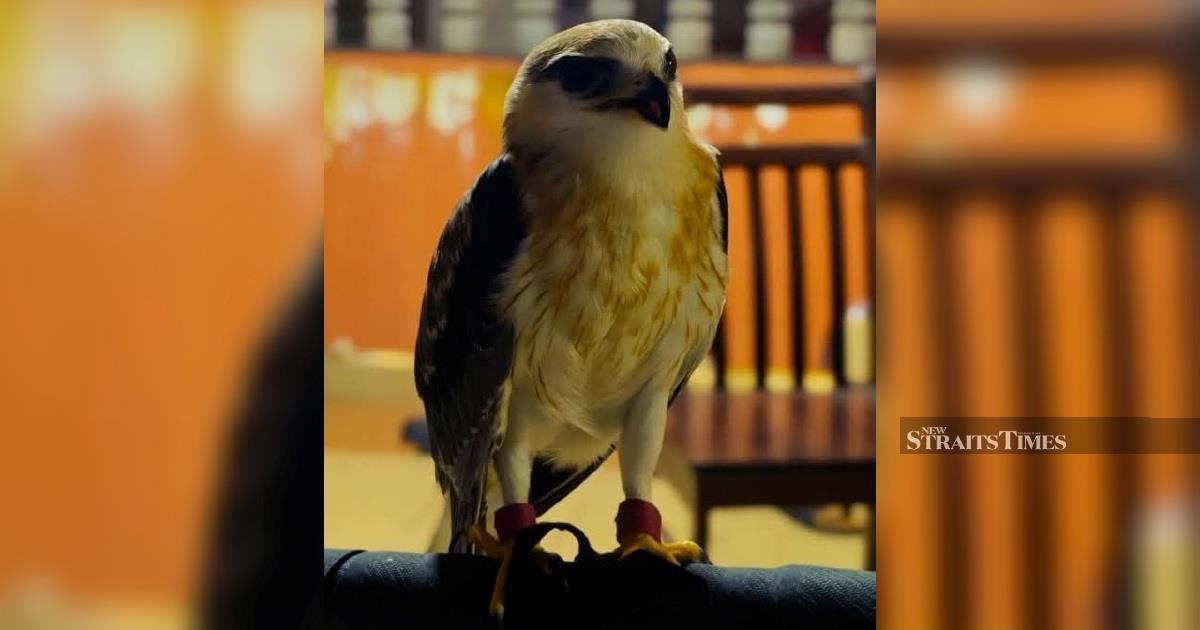
Authorities in Kuala Lumpur have taken action against illegal wildlife keeping, with officers conducting a raid at a private residence in Taman Sungai Kapar Indah that resulted in the arrest of one individual and the confiscation of a rare raptor. The Black-winged Kite, a species prized by collectors and falconry enthusiasts, was being housed at the premises without the requisite licensing documentation or regulatory permits required under Malaysian wildlife protection legislation.
The seized bird carries an estimated market value of RM100,000, reflecting the significant premium placed on this species within private collections and among falconry hobbyists across Southeast Asia. Such valuations underscore the lucrative nature of the illegal or unlicensed wildlife trade, which continues to present challenges for enforcement agencies tasked with protecting Malaysia's biodiversity and ensuring compliance with conservation regulations.
The operation highlights the distinction between legal and illegal wildlife ownership in Malaysia. Individuals wishing to keep protected birds of prey must secure appropriate documentation from the Department of Wildlife and National Parks (PERHILITAN), demonstrating their facilities meet welfare standards and their acquisition was lawful. Failure to maintain such permits constitutes a violation of wildlife protection statutes, regardless of the circumstances surrounding the bird's acquisition.
Raid operations targeting unlicensed wildlife collections form part of a broader enforcement strategy aimed at curtailing the informal economy surrounding exotic animal keeping. These efforts frequently uncover holdings that exceed legal limits, involve species protected under national and international conventions, or fail to meet animal welfare requirements. The confiscation process protects both the animals themselves and the broader ecosystem by preventing the establishment of unregulated breeding populations.
The Black-winged Kite is a small raptor of conservation interest, found across parts of Asia and Africa. Its presence in private collections in urban Malaysia reflects global demand for such species among enthusiasts, collectors, and those involved in falconry traditions. However, without proper permitting and oversight, these arrangements risk animal welfare violations and contribute to broader conservation concerns regarding wildlife trafficking networks that operate across regional boundaries.
For Malaysian citizens interested in keeping birds of prey or other protected wildlife, the legal pathway exists through PERHILITAN, which administers permit systems designed to balance legitimate interest in these animals with species protection objectives. The regulatory framework distinguishes between those properly licensed and those operating outside legal channels, with penalties for non-compliance ranging from substantial fines to imprisonment depending on case severity.
This incident comes amid ongoing discussions within Southeast Asia regarding wildlife protection enforcement and the effectiveness of existing regulatory mechanisms. Countries throughout the region face comparable challenges in monitoring private collections, preventing illicit trading, and ensuring that kept animals receive appropriate care. Coordinated efforts between national authorities and international wildlife organisations increasingly focus on addressing this compliance gap.
The arrest and confiscation demonstrate the resource allocation by Kuala Lumpur's law enforcement agencies toward wildlife protection matters. While some may view such operations as administrative enforcement, they represent critical interventions in systems where animals are removed from unregulated environments and either transferred to appropriate facilities or returned to the wild where applicable. For confiscated specimens, care typically transitions to licensed facilities or rehabilitation centres operated in partnership with conservation organisations.
The case underscores broader concerns about urban wildlife keeping practices across Malaysia's metropolitan areas. Urban residents increasingly maintain various exotic and protected species, often without awareness of licensing requirements or in deliberate disregard of regulations. Education initiatives paired with targeted enforcement operations constitute a dual-track approach authorities employ to reduce such violations while promoting responsible wildlife interaction among the general public.
Moving forward, the operation reinforces the importance of public awareness regarding legal requirements for wildlife ownership and the consequences of non-compliance. Individuals considering acquiring protected species are urged to contact PERHILITAN directly to understand what permits are necessary and what conditions must be satisfied. The departmental website provides accessible information on application procedures, eligible species, and facility standards.
For collectors and falconry practitioners within Malaysia, legitimate pathways remain available to pursue these interests within a regulated framework that prioritises animal welfare and conservation objectives. The distinction between legal and unlicensed operation is absolute under Malaysian law, with enforcement actions expected to intensify as authorities respond to continued reports of irregular holdings. The arrested individual will face charges appropriate to the nature of the violation, establishing deterrent effects for potential future offenders.

