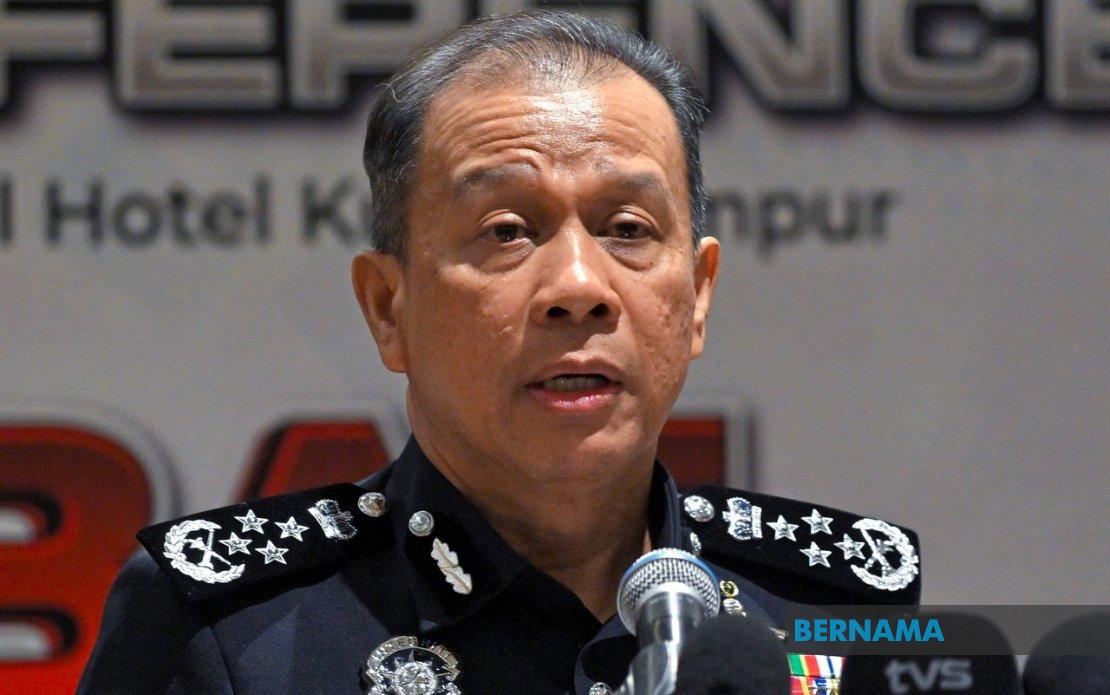
The Royal Malaysia Police has thrown its weight behind a Cabinet-endorsed initiative to embed police officers within Aviation Security teams across Malaysian airports, marking a significant shift in how the nation approaches safety at its gateways. Inspector-General of Police Tan Sri Mohd Khalid Ismail confirmed PDRM's readiness to cooperate fully with the Home Ministry, Transport Ministry and allied agencies to operationalise the deployment, which responds to growing concerns about vulnerabilities in the aviation ecosystem.
The decision to integrate police personnel into AVSEC operations emerged after a Malaysian pilot's detention in Indonesia on drug-smuggling allegations exposed potential gaps in Malaysia's ability to prevent criminal networks from exploiting aviation channels. The revelation prompted the MADANI Government, through spokesman Datuk Seri Fahmi Fadzil, to fast-track the police deployment as an immediate remedial action. For Malaysian readers and regional observers, the move underscores how a single incident can catalyse broader institutional reforms, particularly when national reputation and border integrity hang in the balance.
Currently, PDRM and relevant ministries are finalising the structural blueprint for implementation. This encompasses defining the precise mandate of police officers within AVSEC frameworks, determining which airports and facilities will host enhanced deployments, calculating staffing needs, delineating zones of operational responsibility, and establishing protocols for inter-agency coordination. The granular nature of these negotiations suggests authorities are treating this not as a superficial gesture but as a substantive recalibration of security architecture.
Inspector-General Mohd Khalid articulated the strategic rationale: police involvement would amplify intelligence-sharing capabilities, sharpen early-warning systems for emerging threats, synchronise enforcement actions across agencies, and enable rapid response to criminal exploitation attempts targeting airports or aviation procedures. This framing positions the deployment within a broader philosophy of layered, integrated security rather than isolated checkpoint measures. By pooling intelligence across civilian aviation personnel and law enforcement, authorities aim to identify suspicious patterns and actors before they can operationalise schemes.
The proposed security framework extends beyond police deployment. PDRM highlighted that tighter integrated controls must encompass reinforced access restrictions, enhanced passenger and cargo screening protocols, risk-profiling mechanisms, and genuine cooperation between all stakeholders—airlines, airport operators, customs authorities, immigration officials and security contractors. This systemic approach reflects international best practice, where aviation security depends on coordination rather than any single agency acting in isolation.
For Malaysia's aviation sector, already navigating post-pandemic recovery and competition from neighbouring hubs, the security enhancements carry dual implications. Stronger controls protect the country's reputation and reassure international partners that Malaysian airports are fortified against transnational criminal activity. Simultaneously, more thorough screening and access controls may incrementally increase processing times and operational complexity, though authorities will likely argue the trade-off is justified by reduced risk exposure.
The pilot detention case that triggered this response carries weight in Southeast Asia's drug-trafficking context. Malaysia's geographical position along major trafficking routes, combined with its status as a regional aviation hub, makes it an attractive target for criminal syndicates seeking to move contraband. By visibly strengthening police presence in AVSEC, the government signals zero tolerance for such activities, potentially deterring would-be smugglers and reassuring neighbouring governments that Malaysia takes cross-border security seriously.
Inspector-General Mohd Khalid's assurances that flight safety and border security remain paramount, and that no compromise on aviation-linked criminal activity will be entertained, reflects the political sensitivity surrounding the issue. Public confidence in airports' ability to prevent smuggling, terrorism, or other threats directly affects passenger behaviour and investor confidence in Malaysia's aviation infrastructure. The vocal commitment from top police leadership serves both an operational and a reassurance function.
The implementation timeline, described as immediate, suggests rollout will occur within months rather than years. This pace indicates political will to act swiftly, though it also raises questions about whether officer training, procedural integration, and resource allocation can be meaningfully completed at accelerated speed. Regional precedents—such as enhanced security measures at major Southeast Asian airports following specific incidents—suggest that phased deployment beginning at Kuala Lumpur International Airport and other major terminals is likely.
For Malaysia's standing within ASEAN and beyond, demonstrating credible aviation security upgrades carries diplomatic weight. International civil aviation bodies, trading partners, and security-conscious airlines assess risk based partly on countries' visible commitment to strengthening controls. The police deployment signals that Malaysia is not merely reactive to incidents but willing to embed structural improvements.
Looking ahead, the success of this initiative will depend on operational execution. Police officers must be adequately trained in AVSEC-specific protocols, equipped with necessary tools and intelligence access, and integrated into decision-making processes rather than positioned as peripheral enforcers. Inter-agency friction—a historical challenge in Malaysian security coordination—must be actively managed to prevent turf conflicts undermining the initiative's effectiveness.
The broader narrative here extends beyond a single policy announcement. It reflects evolving perceptions of aviation security threats in a region where drug trafficking, human smuggling, and transnational crime remain persistent challenges. By embedding police in AVSEC operations, Malaysia joins other nations in recognising that modern aviation security demands seamless integration of civilian and law enforcement expertise, supported by intelligence-driven risk assessment rather than purely procedural compliance.

