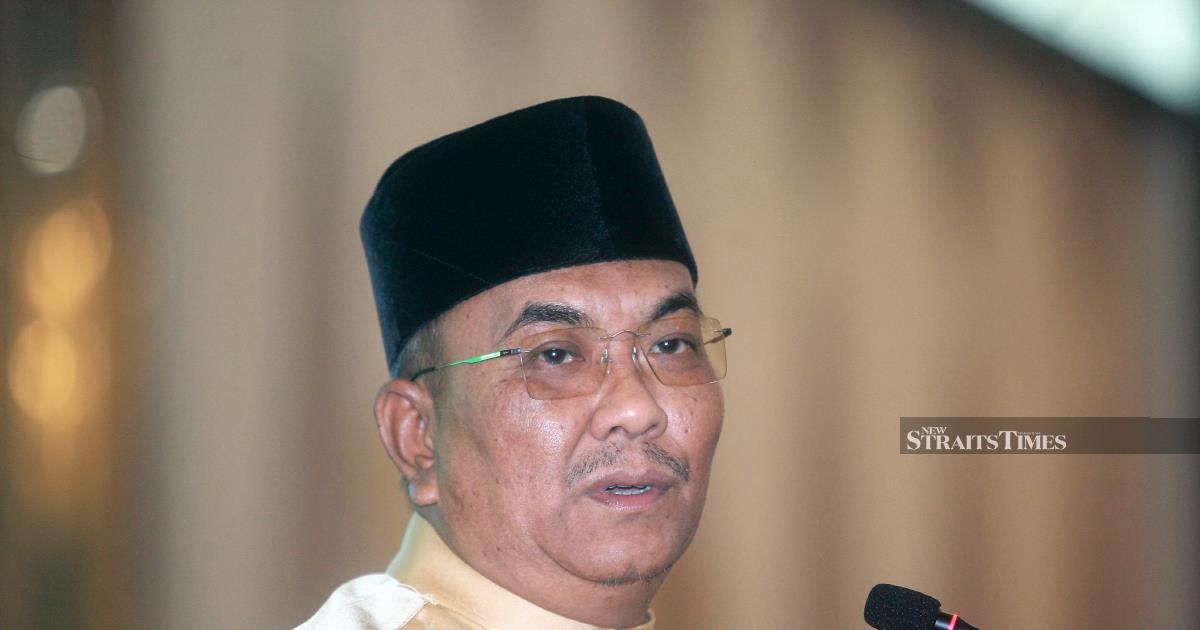
Police have signalled their intention to summon Kedah Menteri Besar Datuk Seri Muhammad Sanusi Md Nor and a Rembau-based Umno figure for questioning regarding campaign statements made during the Negri Sembilan state election. The move reflects ongoing scrutiny of remarks delivered by political figures on the campaign trail, a period when speeches and public addresses often come under heightened scrutiny from law enforcement and the Election Commission. The police action underscores the sensitivity surrounding election-period rhetoric in Malaysia's political landscape.
The decision to call up both individuals separately suggests that each faces distinct allegations or complaints stemming from different campaign utterances. Sanusi, who leads Kedah as Menteri Besar, was actively involved in supporting candidates during the Negri Sembilan election campaign, which concluded recently. His participation in campaigns across states is not unusual, as senior political figures frequently mobilise to support their party's candidates at the national level. However, specific remarks attributed to him have apparently triggered concern among authorities or complaints from electoral observers and political opponents.
The Rembau Umno representative's summons also indicates that campaign statements made at the local or district level have similarly attracted official attention. Rembau, located in Negri Sembilan, is a constituency with its own political dynamics, and campaign activities in such areas often involve fiery rhetoric aimed at mobilising voter support. The involvement of a district-level politician alongside a high-profile state chief suggests that police are taking a broad approach to investigating campaign-period speech during this electoral cycle.
Election campaigns in Malaysia have long been occasions where the boundaries of permissible political speech come under strain. While candidates and leaders enjoy freedom of expression, election regulations impose specific restrictions on certain types of statements—particularly those deemed to be promoting racial or religious discord, making false claims about candidates or parties, or attempting to intimidate voters. The police summons in this instance appears to stem from allegations that one or both individuals crossed these legal thresholds during their campaign activities.
The Negri Sembilan state election, held recently, was a significant political contest affecting Malaysia's electoral map and balance of power at the state level. Campaign activities preceding the polls naturally intensified as parties sought to maximise support among voters. Senior figures from both peninsular and state-level administrations typically participate in such contests, delivering speeches at rallies, engaging in door-to-door campaigning, and making media appearances to bolster their party's position. Sanusi's involvement reflected Umno's broader strategy to maintain its political standing during the election.
The specific nature of the remarks that prompted police attention remains unclear, but such investigations typically involve allegations of inflammatory language, false statements about opposing candidates, or claims perceived as threats to electoral integrity. Election-related police action of this sort is not uncommon in Malaysia, where authorities remain tasked with ensuring campaigns adhere to legal and regulatory standards. The summons represent a preliminary investigative step rather than accusations of wrongdoing, though they do signal that authorities have received complaints warranting formal questioning.
From a broader perspective, the police action reflects the tension between Malaysia's electoral framework and the sometimes colourful nature of campaign politics. Political leaders are expected to campaign vigorously and energetically for their parties, yet must do so within legal constraints. The interpretation and enforcement of campaign speech rules can sometimes feel subjective to politicians and observers, creating friction between law enforcement and the political establishment. Umno, as Malaysia's longest-serving political party, has historically navigated such matters across numerous electoral cycles.
Sanusi has maintained a public profile extending beyond Kedah's boundaries, reflecting his position within Umno's broader hierarchy and his involvement in national political strategy. His willingness to campaign across states demonstrates the interconnected nature of Malaysian politics, where senior figures are routinely mobilised for electoral contests beyond their home constituencies. Any investigation into his campaign remarks must be understood within this context of active, high-level political participation.
For the Rembau Umno leader, the summons represents scrutiny at the grassroots level, where much of Malaysia's campaign activity occurs. Local politicians play crucial roles in mobilising support and crafting messages that resonate with voters in their constituencies. They often operate with less formal oversight than state or national figures, sometimes resulting in more colourful campaign rhetoric. When such statements provoke complaints or are flagged by observers, police investigations follow as a matter of routine procedure.
The broader implications of police action during campaign periods merit consideration. While ensuring electoral integrity requires monitoring of campaign speech, excessive or overly aggressive enforcement can create a chilling effect on political participation and free expression. Malaysian stakeholders—including political parties, civil society organisations, and the public—continue to grapple with finding the appropriate balance between maintaining electoral standards and protecting the space necessary for robust political competition and debate.

