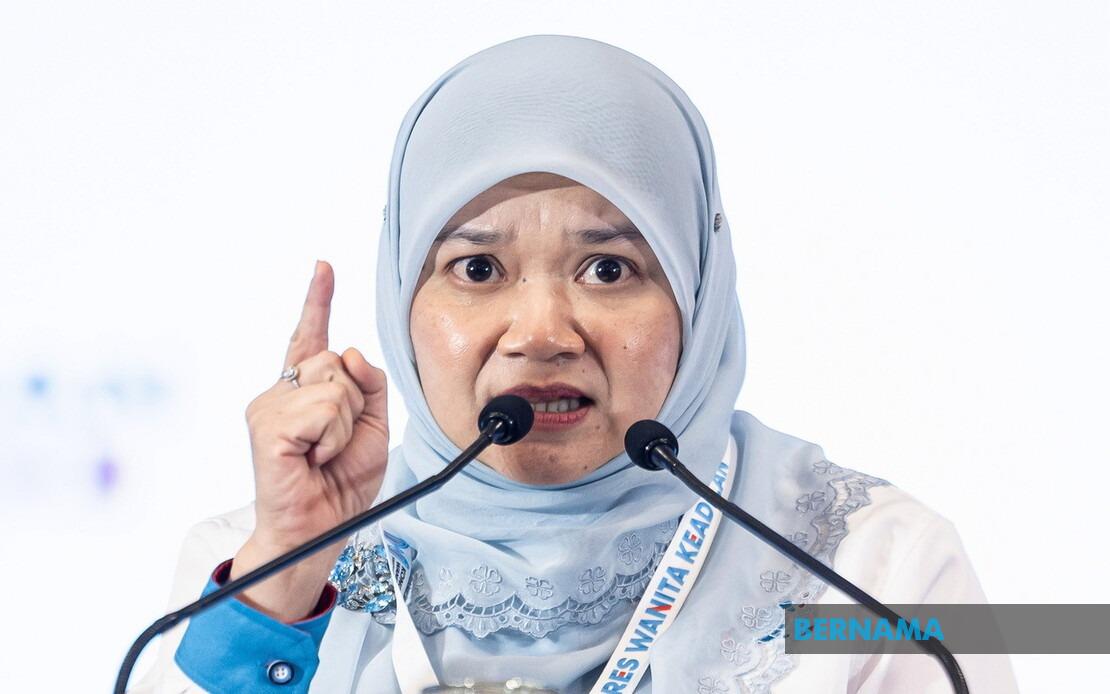
Wanita PKR chief Fadhlina Sidek has drawn a clear line in Malaysian political discourse, insisting that electoral contests should pivot on substantive policy positions and tangible solutions rather than weaponising matters of faith. Speaking at the 2026 Wanita PKR National Congress held at the Melaka International Trade Centre in Ayer Keroh, Sidek argued that political parties must resist the temptation to leverage religious sensibilities as a campaign tool, particularly during high-stakes electoral periods when such tactics can inflame communal tensions.
Sidek's intervention reflects growing concern within progressive political circles about the direction of Malaysian campaigning. The tendency to invoke religious authority or cast aspersions on opponents' piety has become increasingly common in recent election cycles, often overshadowing substantive debates about economic management, healthcare delivery, infrastructure development, and social welfare. By elevating the discourse from sectarian appeals to policy competition, Sidek is attempting to set a higher bar for how Malaysian politicians conduct themselves in the public sphere.
The Wanita PKR leader stressed that religious matters deserve protection from partisan instrumentalisation. In a country where faith remains deeply woven into political identity, this stance requires courage, as it essentially asks politicians to voluntarily cede a potent campaign weapon. Instead, Sidek proposes redirecting political energy toward demonstrating which party or leader can genuinely improve citizens' lives through better governance, smarter policy design, and more efficient resource allocation. This reframing treats voters as rational actors capable of judging parties on merit rather than emotional or identity-based appeals.
Sidek's emphasis on competing through ideas, concepts, and practical solutions carries particular weight for PKR, which has positioned itself as a reform-oriented force within Malaysian politics. The party's challenge has always been to build momentum without the entrenched machinery of longer-established organisations or their superior financial resources. A focus on policy substance and problem-solving ability allows newer or smaller parties to compete on intellectual grounds where ideas and innovation can sometimes overcome structural disadvantages. This approach also aligns with PKR's historical positioning as a party championing substantive change rather than relying on established patronage networks.
Central to Sidek's message at the congress was a call for party leaders and members to reconnect meaningfully with ordinary Malaysians at the grassroots level. Rather than simply launching campaigns from above, she encouraged PKR personnel to engage directly with communities, understand their struggles firsthand, and identify concrete needs requiring political intervention. This bottom-up approach represents an implicit critique of how politics is often practised in Malaysia, where distance between elected representatives and constituents can become substantial once politicians assume office.
Sidek highlighted the importance of leaders demonstrating sensitivity to the circumstances surrounding them. By visiting neighbours' homes and observing conditions directly, political actors can identify problems—whether inadequate housing, lack of basic services, unemployment concerns, or healthcare access—that demand attention. This personalised engagement serves multiple functions simultaneously: it demonstrates genuine concern, gathers intelligence about community priorities, and rebuilds trust in political institutions that many Malaysians feel have become disconnected from their daily realities. Such grassroots work provides the foundation for authentic political relationships that transcend election cycles.
The Wanita PKR chief also addressed internal party dynamics, emphasising the need for loyalty and steadfast commitment among PKR's rank-and-file membership despite the inevitable trials and tribulations any political organisation encounters. Malaysian politics has witnessed numerous instances of party-hopping and shifting allegiances, which can undermine institutional coherence and suggest that individuals prioritise personal advancement over collective struggle. Sidek's reminder about commitment speaks to building stronger internal culture and organisational discipline within PKR.
Sidek's broader thesis—that political strength emerges through sustained hard work, effective machinery, and genuine connection with ordinary people rather than through religious mobilisation or personality cults—carries implications extending beyond PKR itself. For Malaysian democracy more broadly, elevating the tenor of political competition toward ideas-based discourse could theoretically reduce communal polarisation and create space for genuine policy debate. However, implementing such an approach requires buy-in from across the political spectrum, not merely from individual parties or leaders.
The challenge for Sidek and PKR lies in translating these aspirational principles into consistent practice across the party's operations. Maintaining ideological coherence while operating within Malaysia's complex political ecosystem—where religious considerations intersect with patronage networks, ethnic demographics, and regional power structures—requires constant vigilance. Leaders must model the conduct they prescribe, resisting the temptation to invoke religious rhetoric even when such appeals might generate short-term electoral advantages.
Looking toward the 2026 electoral cycle, Sidek's statements suggest PKR intends to differentiate itself partly through campaign methodology and tone, distinguishing its approach from competitors perceived as relying excessively on religious appeals. This positioning could attract voters fatigued by polarising identity-based politics and seeking parties prioritising pragmatic governance. Simultaneously, it acknowledges that electoral success ultimately depends on demonstrating superior problem-solving capacity and maintaining vigilant engagement with communities experiencing economic pressures, rising living costs, and deteriorating public services. For Malaysian voters evaluating their choices, campaigns genuinely focused on such substantive concerns offer a refreshing alternative to the recurring pattern of identity-based mobilisation that has dominated recent electoral contests.

