A fatal traffic collision outside a prominent shopping mall in Hyderabad has spiralled into a political controversy after the son of Jana Sena Party MP Lingamaneni Ramesh received station bail in connection with the incident. The crash, which claimed the life of 26-year-old Bharati Mukhi on August 16, has become the latest flashpoint in Andhra Pradesh's fractious political landscape, with the opposition YSRCP accusing authorities of deliberately downplaying the case.
Bharati Mukhi was working at a Lifestyle outlet inside Inorbit Mall in Madhapur when the tragedy struck in the early afternoon. She had ventured out with a colleague, Pooja Ashok, to retrieve meals from a nearby restaurant. As they returned to the mall, crossing the street in front of the complex, Bharati stepped into the path of an Aston Martin that was allegedly being driven at excessive speed in a rash and negligent manner. The impact proved catastrophic, inflicting severe head injuries that proved fatal despite emergency treatment. Doctors at Apollo Hospital in Jubilee Hills were unable to save her.
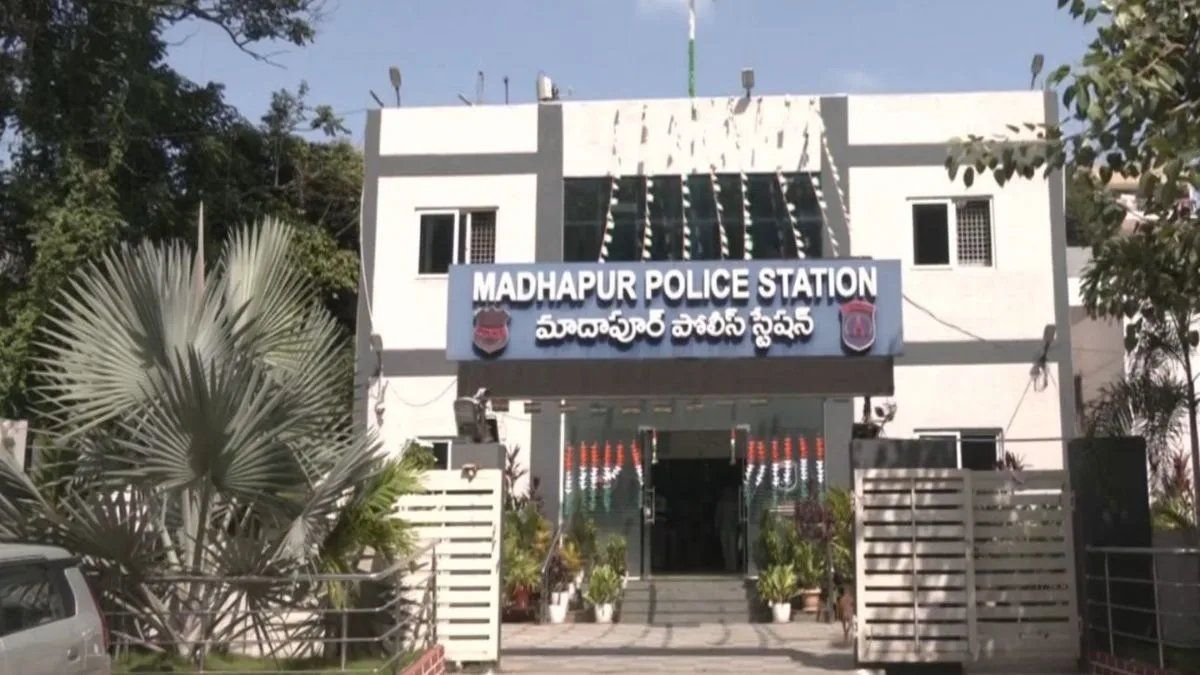
Lingemaneni Sanjush, identified as the driver, was apprehended on the same day. The 21-year-old underwent the standard battery of forensic tests routinely administered in vehicular fatality cases. Police conducted both alcohol and drug screening, while blood samples were collected and forwarded to the Forensic Science Laboratory for detailed analysis. The vehicle itself was seized by authorities as investigators began documenting the scene and gathering evidence. A formal case was registered at Madhapur Police Station under Section 106(1) of the Bharatiya Nyaya Sanhita, which addresses death by negligence.
During the investigation process, Sanjush was served with a notice under Section 35(3) of the Bharatiya Nagarik Suraksha Sanhita, a procedural requirement in such matters. He was subsequently released on station bail, a lower threshold than formal bail, pending the completion of investigations. A Madhapur police official confirmed these procedural steps, stating that the notice had been served and bail granted as part of standard investigative protocol. However, the relatively swift movement through these procedural stages has drawn scrutiny from opposition quarters.
The case has rapidly transcended the realm of routine criminal law enforcement to become a political flashpoint. Karthik Yellapragada, national spokesperson for the YSRCP, raised pointed questions about the apparent lack of media coverage and public discussion surrounding the incident during the initial five days following the collision. His allegations specifically targeted what he characterised as a conspiracy of silence between Chief Minister Revanth Reddy and Telugu Desam Party leader Chandrababu Naidu, two figures whose political relationship has been the subject of considerable speculation in Andhra Pradesh political circles.
Yellapragada's statement suggested that political considerations may be influencing the investigation's trajectory and media handling. He demanded immediate justice and pointedly questioned whether different legal standards were being applied depending on the accused's political connections. These allegations essentially accuse the police and government machinery of selectively applying the law based on the suspect's family's political influence and status. The YSRCP spokesperson's invocation of an alleged understanding between the ruling Congress and opposition TDP represented an attempt to frame the case within the broader context of state-level power dynamics.
The incident exposes fault lines in how serious criminal matters involving politically connected individuals are handled in India. While procedural safeguards exist, questions persist about whether wealthy and well-connected defendants receive preferential treatment compared to ordinary citizens accused of similar offences. The fact that Sanjush was granted station bail rather than being held in custody pending investigation has become a focal point for critics, who argue that similar circumstances involving less privileged defendants might result in more stringent bail conditions or outright detention.
From a Southeast Asian perspective, this case reflects patterns seen across the region regarding the intersection of wealth, political connections, and justice system outcomes. Malaysia and other neighbouring countries have grappled with similar controversies involving accidents caused by vehicles driven by prominent figures' family members. Such incidents often generate public outrage that extends beyond the specific facts of the case to encompass broader concerns about judicial equity and the rule of law's application across different social strata.
The investigation itself remains ongoing, with police continuing to collate evidence including the post-mortem examination report and forensic analysis results. The formal charge, if filed, would likely centre on negligence and potentially rash driving depending on the outcome of forensic testing. However, the political dimensions of the case have now complicated what might otherwise be a straightforward vehicular homicide investigation, introducing questions about whether investigative procedures are being applied uniformly and whether media access to information is being managed to minimise negative publicity.
The timing of Yellapragada's allegations also deserves consideration. By raising the matter publicly after five days and framing it as a political conspiracy rather than a criminal law enforcement question, the YSRCP has positioned itself as defending the interests of ordinary citizens against what it portrays as an establishment protecting its own. This narrative, whether substantiated or not, resonates powerfully in Indian political discourse and has the potential to influence public perception of the case's handling regardless of the investigation's actual progression.
For observers in Malaysia and across Southeast Asia monitoring developments in Indian criminal justice and political accountability, this case serves as a reminder that even democracies with established legal frameworks can struggle with ensuring equal justice when political power and wealth become entangled in criminal proceedings. The incident highlights the importance of institutional independence, transparent investigative procedures, and equitable application of the law—principles that remain contested throughout the region despite their prominence in constitutional documents and legal theory.

