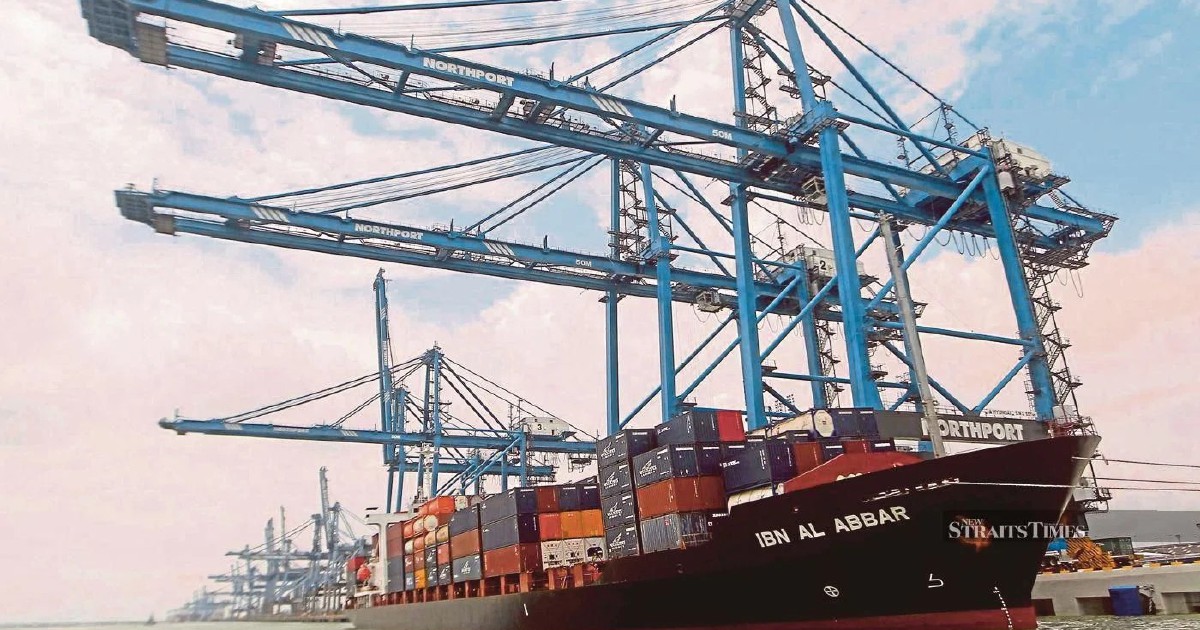
Malaysia's flagship Port Klang 3 initiative is edging closer to its construction phase, with Transport Minister Anthony Loke signalling that groundwork could commence as early as this year provided outstanding land disputes with the Selangor government are resolved. The reassurance comes as a significant boost to the project's timeline, suggesting that despite bureaucratic obstacles, the critical port expansion is progressing through its approval and planning stages.
The Port Klang 3 development represents a pivotal expansion of Malaysia's primary container port, located in Selangor and crucial to the nation's trade infrastructure. As Malaysia's gateway for international maritime commerce, Port Klang's capacity constraints have increasingly squeezed throughput, making the third phase expansion strategically important for maintaining the country's competitive edge in regional shipping hubs competing with Singapore, Port Tanjung Pelepas, and ports across Thailand and Vietnam. The project underscores the federal government's commitment to bolstering logistics capabilities amid growing global supply chain uncertainties.
Land acquisition and title registration have emerged as the primary hurdles delaying the commencement of construction activities. Negotiations between the Transport Ministry, which oversees the project, and the Selangor state government, which controls land administration, have centred on securing sufficient parcels for the port's expansion footprint, compensation frameworks, and legal clearances. These protracted discussions highlight the complexity of large-scale infrastructure development in Malaysia, where state and federal authorities must coordinate across overlapping jurisdictions and competing land-use priorities.
The significance of resolving these matters expeditiously extends beyond Port Klang itself. Global shipping lines and logistics operators planning supply chain investments across Southeast Asia view port capacity and infrastructure timelines as critical decision factors. Delays to Port Klang 3 risk prompting multinational corporations and trading partners to allocate cargo volumes to competing regional ports, eroding Malaysia's market share and customs revenue. Early commencement would demonstrate the government's administrative capability to deliver major projects on schedule, enhancing investor confidence in larger national infrastructure programmes.
Loke's public confirmation of the project's viability reflects ongoing high-level engagement to break the impasse. His statement carries implicit pressure on state authorities to expedite land-related approvals, signalling that federal leadership remains committed to the initiative despite administrative friction. The minister's cautious optimism suggests that discussions have progressed sufficiently to provide reasonable confidence in a resolution path, though he appropriately hedged with a conditionality caveat to manage expectations and account for residual uncertainties.
The Port Klang 3 project is integral to Malaysia's broader digital and physical infrastructure modernisation strategy. The expansion will enhance container handling capacity, reduce port congestion, improve turnaround times for vessels, and lower logistics costs for businesses across the region. Enhanced port efficiency directly benefits manufacturing exporters, e-commerce operators, and importers by reducing supply chain friction and improving delivery schedules to regional and global markets.
Regional port operators are simultaneously investing in capacity and technology upgrades, intensifying competition for cargo volumes. Singapore's PSA International continues terminal modernisation, while newer ports in Vietnam and Thailand are capturing incremental market share from traditional hubs. Port Klang's competitive positioning depends on timely capacity expansion coupled with technology investments in automation, digitalisation, and sustainability. Construction delays risk ceding market opportunities to rivals, particularly for high-value cargo streams and transshipment traffic.
The project also carries employment implications beyond the port itself. Construction activities will generate temporary demand for skilled workers, materials, and engineering services across Selangor and surrounding regions. Permanent jobs in port operations, logistics coordination, and related services will expand upon completion, contributing to local economic development and tax revenue. The broader multiplier effects ripple through supply chains and consumer spending as workers and service providers inject income into surrounding communities.
Environmental and social considerations remain embedded within the land resolution discussions. Port expansion requires dredging, reclamation, and coastal infrastructure modifications that affect marine ecosystems and surrounding communities. Selangor authorities likely seek assurances regarding environmental impact assessments, community consultation processes, and mitigation measures before granting land access. These safeguards, while lengthening approval timelines, establish baseline environmental and social standards that responsible development should incorporate.
The timeline for land issue resolution remains opaque, and Loke's conditional language indicates genuine uncertainty regarding the speed of bureaucratic clearances. State governments, particularly in Selangor with its robust fiscal base and political assertiveness, typically demand substantive engagement rather than rubber-stamp approval on infrastructure projects affecting significant landholdings. Protracted negotiations are typical for projects of this magnitude, suggesting that while construction could commence this year, delays extending into 2025 would not be anomalous.
Industry observers and port stakeholders are closely monitoring developments, recognising that Port Klang 3's success is essential for Malaysia's competitive positioning in global trade networks. Shipping lines evaluating port investments and logistics operators planning regional distribution networks view the Port Klang expansion as central to their strategic calculus. Demonstrated governmental capacity to resolve administrative obstacles and execute major infrastructure projects on schedule strengthens Malaysia's broader pitch to multinational enterprises considering regional headquarters and investment commitments.
The Path forward requires sustained coordination between federal and state authorities, with realistic timelines that acknowledge both bureaucratic necessities and commercial urgencies. Loke's latest statement indicates that momentum continues building toward construction commencement, but final land resolution represents the critical gating factor. For Malaysian businesses and regional trade partners, successful and timely completion of Port Klang 3 carries tangible implications for logistics efficiency, costs, and Malaysia's ability to maintain relevance within increasingly complex and competitive regional supply chain architectures.