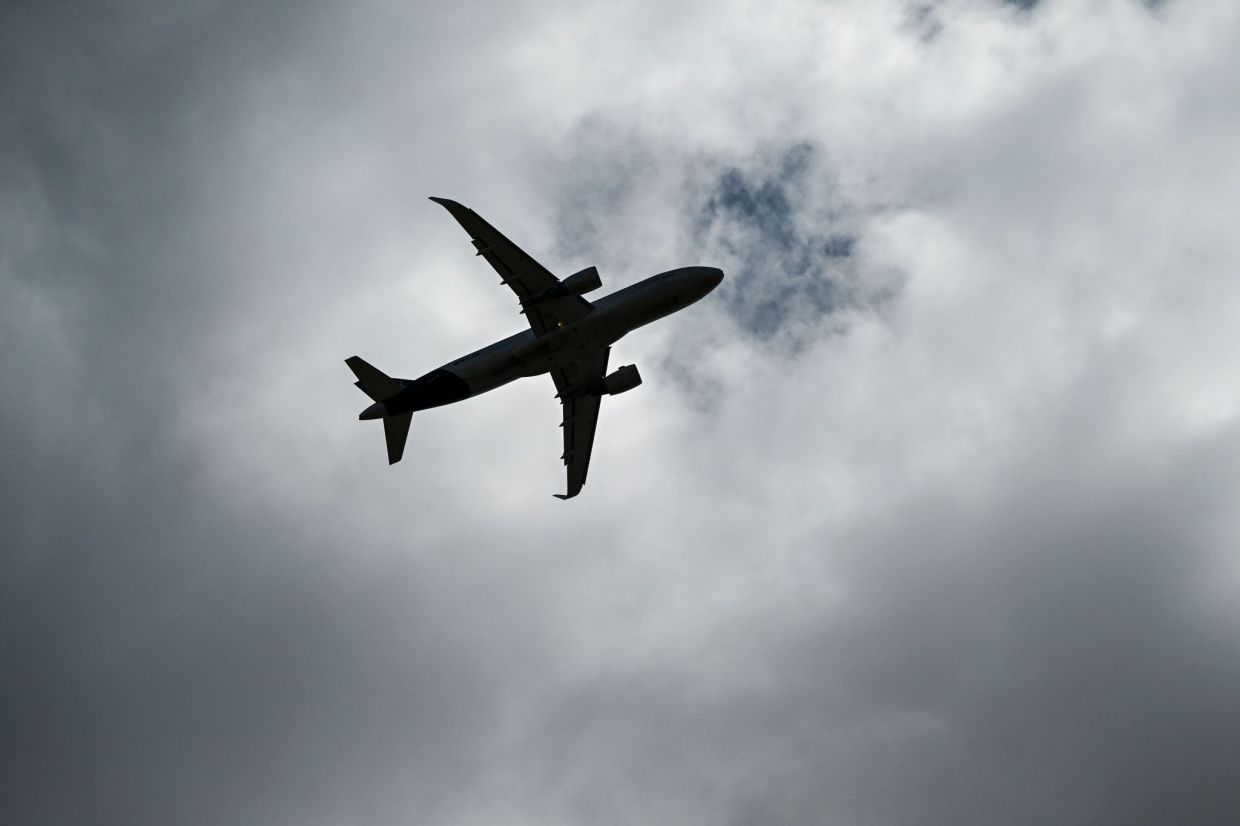
A flight operated by Swiss International Air Lines, a subsidiary of the Lufthansa Group, made an unscheduled landing in Dublin after a power bank caught fire and began emitting smoke in the cabin. The aircraft, which was carrying 206 passengers and heading towards Boston from its departure point, triggered emergency landing procedures when crew members detected the hazardous situation. Though the airline characterizes the diversion as a priority landing rather than a full emergency, the incident underscores growing concerns about lithium-ion battery safety in commercial aviation across Europe and beyond.
What makes this occurrence particularly troubling is its timing. This marks the second significant incident involving electronic devices on Lufthansa Group aircraft within a fortnight. The Swiss flight incident follows an earlier July diversion of another Lufthansa subsidiary flight from Zurich to New York, which was forced to land unexpectedly in Bangor, Maine, after smoke developed in the cabin. In that case, investigators determined that a charging case for headphones had slipped between seat cushions, became compressed, and subsequently malfunctioned, generating dangerous fumes. The frequency of these incidents within such a compressed timeframe has prompted heightened scrutiny of current aviation safety protocols.
In response to these emerging risks, Lufthansa Group has implemented comprehensive new regulations governing the carriage and use of portable power banks across all its airline operations, effective from the beginning of 2026. The carrier now prohibits passengers from using power banks for charging purposes while airborne and forbids their operation anywhere on board. Passengers may carry a maximum of two power banks per journey, and strict rules govern where these devices can be positioned and stored during flight.
The regulations specify that power banks must be kept only in the seat pocket directly in front of passengers, retained on their person, or stored in carry-on luggage placed beneath the seat. Critically, the airline absolutely prohibits transporting power banks in checked baggage stored in aircraft holds or positioning them in overhead storage compartments. This restriction reflects concerns that unsupervised batteries in cargo areas or inaccessible overhead spaces create heightened fire risks without possibility of crew intervention. Any power bank exceeding a capacity threshold of 100 watt-hours but not surpassing 160 watt-hours requires advance approval from the airline before the passenger boards, adding an additional layer of pre-flight verification.
These policies extend beyond power banks alone. The Lufthansa Group has simultaneously applied identical restrictions to electronic cigarettes and vaping devices, reflecting similar risks posed by their lithium-ion batteries. Electronic cigarettes are subject to the same storage location requirements, cannot be used aboard aircraft, and cannot be transported in checked luggage or stored overhead. The rationale stems from multiple documented incidents worldwide in which these devices have overheated and ignited in flight, posing catastrophic risks in pressurized cabin environments where escape options are severely limited.
Lufthansa emphasizes that its newly tightened regulations align with guidance issued by major international aviation authorities, suggesting that these are not overly cautious measures but rather standardized safety protocols. Organizations that regulate aviation safety worldwide have increasingly raised alarms about lithium-ion battery incidents in aircraft, particularly as passengers carry ever-larger quantities of electronic devices during travel. The airline's positioning of its rules as harmonized with international best practices lends credibility to their necessity, though the regulations clearly represent a tightening of previous standards.
For passengers boarding Lufthansa Group flights, which encompass Swiss International Air Lines, Lufthansa, Austrian Airlines, and others, the practical implications are substantial. Travellers must now carefully review and understand device restrictions before packing, as misunderstanding or inadvertently violating these rules could result in confiscation of personal electronics, flight delays, or in egregious cases, removal from the aircraft. The regulations require that passengers research their specific airline's policies in advance, as requirements differ across carriers and variations in enforcement exist across different routes and bases.
The incident involving 206 passengers aboard the Swiss flight highlights the disruptive consequences when such incidents occur. Rather than safely completing their transatlantic journey, passengers experienced an unexpected landing in Dublin, requiring emergency accommodation in hotels while the airline arranged alternative onward travel to their intended Boston destination. Beyond passenger inconvenience, the diversion imposed substantial costs on the airline through fuel consumption, hotel accommodations, staffing adjustments, and potential compensation obligations under aviation consumer protection regulations.
The root cause of incidents like this power bank malfunction typically involves manufacturing defects, physical damage to battery cells sustained prior to or during air travel, or exposure of devices to moisture or extreme temperatures that compromise battery integrity. Once lithium-ion batteries begin to fail thermally, they enter a rapid combustion cycle that is extremely difficult to suppress in a confined aircraft cabin environment. The inability of standard fire suppression systems to effectively extinguish lithium-ion battery fires has prompted aviation regulators globally to focus prevention strategies on preventing batteries from reaching aircraft interiors rather than attempting to contain fires after ignition occurs.
For Malaysian travellers booking flights with Lufthansa Group carriers, whether travelling to Europe, North America, or elsewhere, these regulations carry direct relevance. Many Malaysian passengers utilize power banks during layovers and long journeys, making them accustomed to carrying such devices as essential travel accessories. The new restrictions mean that Malaysian passengers must either purchase new power banks after arrival at intermediate destinations or ensure their existing devices meet Lufthansa's stringent size and storage requirements. Business travellers and frequent flyers relying on multiple electronic devices will find the two-unit maximum constraint particularly restrictive.
The broader implications of these incidents extend to the entire Southeast Asian aviation sector. As regional carriers including Malaysia Airlines, AirAsia, and others operate similar aircraft and transport comparable passenger populations, identical risks theoretically exist on their routes. Several major Southeast Asian carriers maintain their own device restrictions, though their enforcement and clarity vary considerably. This Lufthansa incident may prompt a regional review of device regulations, potentially leading to harmonized safety standards across Southeast Asian aviation authorities and commercial operators.
Moving forward, the frequency of lithium-ion battery incidents in commercial aviation suggests that manufacturers must improve battery stability and safety mechanisms, while airlines must continue refining detection systems and crew training protocols. Passengers bear responsibility for understanding and complying with regulations designed to protect them. The Dublin diversion serves as a stark reminder that personal electronic devices, while essential to modern travel, require careful handling and adherence to airline-specific safety requirements that evolve as operational risks become better understood.

