Malaysia's agricultural sector is entering a new phase of modernisation as the Farmers' Organisation Authority (LPP) initiates a comprehensive programme to transform 90 corporately-operated Farmers' Outlets (PO) belonging to the Agricultural Farmers' Organisation (PPK) into competitive retail destinations. The initiative, unveiled during the 51st Farmers, Breeders, and Fishermen's Day celebration at Padang Siding in Perlis, represents a strategic effort to position farmer-led businesses alongside established food and beverage chains and major retail operators across the nation.
The transformation programme addresses a longstanding challenge within Malaysia's agricultural marketing ecosystem: the difficulty small-scale and medium-scale farmers face when competing against well-established retail and distribution networks. By consolidating farmer products under modernised retail platforms, the initiative seeks to create accessible points where consumers can purchase directly from producers at competitive prices, thereby reducing intermediary costs and improving farmer margins simultaneously. This dual benefit—enhanced consumer accessibility and improved farmer profitability—underpins the strategic rationale driving the LPP's investment in outlet upgrades.
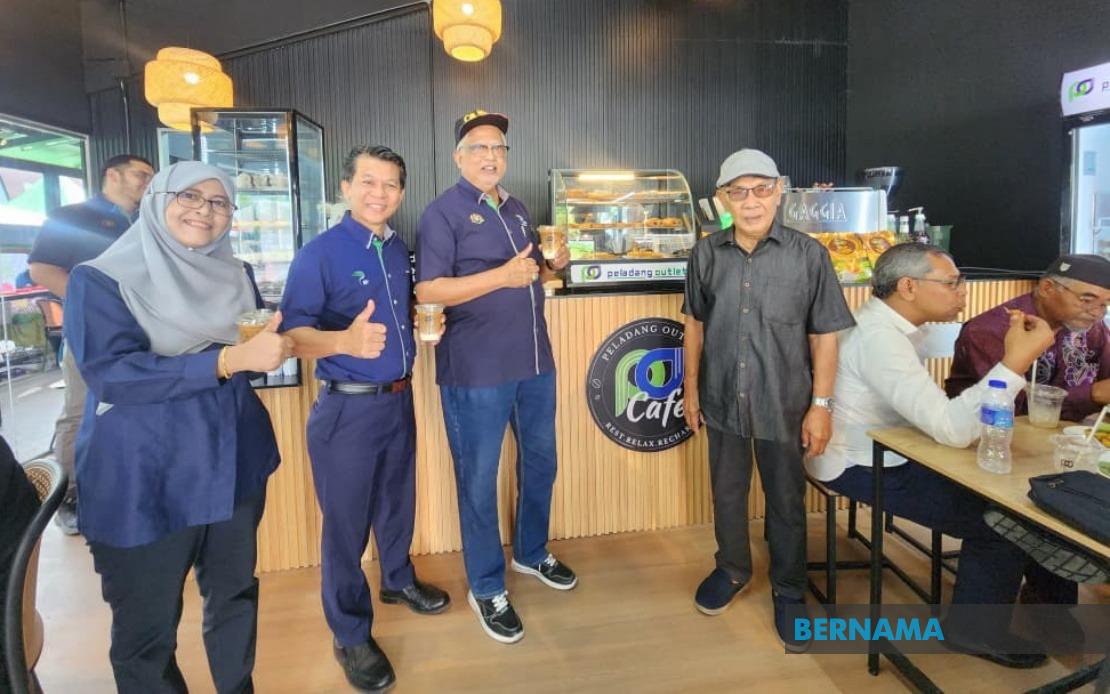
According to Marlina Mohd, Economic Development Division director at the LPP, approximately 30 outlets have already undergone comprehensive modernisation efforts. These upgrades encompass far more than cosmetic changes; they include revised branding and visual identity, enhanced promotional strategies, and refined Stock Keeping Unit (SKU) management systems that enable outlets to operate with efficiency comparable to professional retail establishments. The Padang Siding outlet exemplifies this approach, having been formally inaugurated during the ceremony by LPP chairman Datuk Mahfuz Omar, alongside director-general Amir Matamin.
The authority's near-term strategy involves upgrading an additional 30 outlets within the coming period, bringing the total number of modernised facilities to 60 by that milestone. This phased approach allows the LPP to refine its operational model based on early experiences, ensuring that subsequent upgrades benefit from lessons learned during the initial installations. By staging the upgrades rather than attempting wholesale transformation simultaneously, the authority demonstrates pragmatic project management that acknowledges resource constraints and implementation complexities.
The Padang Siding PPK outlet offers compelling evidence of consumer demand for this retail model. Since commencing operations in April this year, the facility has attracted more than 20,000 visitors, signalling robust community receptiveness to the one-stop concept where agricultural products from local entrepreneurs are consolidated under single roofs. This high footfall indicates that Malaysian consumers actively seek alternatives to conventional retail channels when those alternatives offer quality assurance, competitive pricing, and convenience—precisely the combination these modernised outlets aim to deliver.
For Malaysian farmers, this initiative carries substantial implications for market access and income stability. The traditional challenge of direct-to-consumer sales—managing logistics, maintaining consistent inventory, ensuring regulatory compliance, and sustaining promotional visibility—falls disproportionately on individual farmers and small cooperatives. By aggregating these functions within professionally-managed outlets, farmers redirect resources toward production while relying on centralised retail expertise. This arrangement theoretically improves both product consistency and supply chain reliability, factors that increasingly influence purchasing decisions among Malaysian consumers.
The broader Southeast Asian context illuminates why Malaysia's agricultural sector requires such interventions. Regional competitors including Thailand and Vietnam have substantially modernised their farmer-to-consumer distribution networks, capturing growing segments of middle-class consumers willing to pay premiums for perceived quality and direct-source advantages. Malaysia's upgrade programme positions domestic farmers to compete within this expanding regional market for agricultural products, particularly as consumer preferences throughout Southeast Asia shift toward locally-sourced and quality-assured produce.
The emphasis on rebranding and visual identity within the upgrade process reflects sophisticated understanding of contemporary retail dynamics. Modern consumers make purchasing decisions based partly on rational factors—price, availability, quality—but also on psychological and emotional associations with brands and retail environments. By elevating the visual presentation and promotional coherence of PPK outlets, the authority acknowledges that farmer products must compete not merely on functional attributes but on the complete consumer experience, from initial visual impression through post-purchase satisfaction.
The modernisation programme also carries implications for rural development and agricultural entrepreneurship. By demonstrating viable pathways through which farmer-based businesses can operate alongside established commercial entities, the LPP indirectly encourages youth participation in agricultural ventures. Young Malaysians increasingly hesitate to enter farming or agricultural marketing without confidence in commercial viability; successful outlet modernisation provides empirical evidence that agricultural retail can generate sustainable incomes and offer career progression comparable to urban employment alternatives.
Implementation of this nationwide upgrade programme will inevitably present logistical and financial challenges. Modernisation requires capital investment in infrastructure, training for outlet staff in contemporary retail practices, development of consistent branding materials, and ongoing monitoring to ensure quality standards. The phased approach helps distribute these demands across multiple funding cycles, but successful execution ultimately depends on sustained commitment from the LPP and complementary support from state agricultural authorities and relevant federal agencies.
Looking forward, the outlet modernisation programme represents merely one component within a broader ecosystem of agricultural support that Malaysia must develop to sustain sector competitiveness. Technology adoption—from e-commerce platforms enabling online ordering to inventory management systems optimising stock levels—will prove equally essential for long-term viability. The 90 outlets targeted for upgrade constitute a foundation upon which more sophisticated agricultural marketing infrastructure might be constructed, potentially including cold chain networks, product certification systems, and export readiness programmes.
The initiative's success ultimately hinges on whether modernised outlets can maintain the fundamental value proposition driving initial consumer interest: superior quality products at competitive prices, directly connected to farmer producers. Should outlets maintain this direct farmer connection while adopting professional retail practices, they can establish sustainable competitive advantages. Conversely, should modernisation gradually distance outlets from their agricultural origins, instead replicating conventional retail patterns, the distinctive appeal attracting the 20,000 Padang Siding visitors may diminish, undermining the programme's foundational premise.

