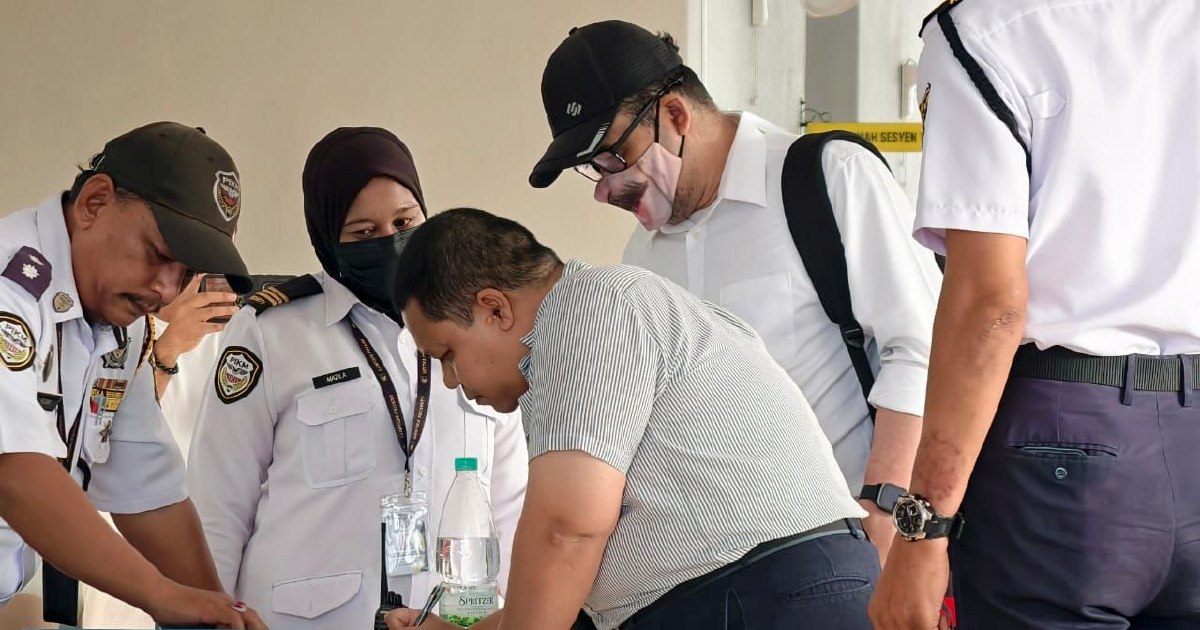
A preschool educator working in Seremban appeared in the Sessions Court to face formal charges relating to the sexual assault of a young male student under her care. The defendant was arraigned on two separate counts of committing physical sexual assault involving an 8-year-old pupil, with the alleged incidents occurring during April.
The case highlights ongoing concerns regarding child safety within educational settings, particularly in early childhood development centres where young children are entrusted to the care of trained professionals. Incidents of this nature have prompted renewed scrutiny on institutional safeguarding measures and background screening procedures across Malaysia's preschool sector.
Malaysian authorities have increasingly taken action against violations of child protection standards in recent years. The prosecution of educational staff accused of abusing their positions of authority demonstrates the legal system's commitment to holding perpetrators accountable and protecting vulnerable pupils. Such cases often generate significant public concern about the adequacy of oversight mechanisms in childcare facilities.
Preschool settings represent crucial developmental environments where young children should feel secure and supported. The breach of that trust by someone in a teaching position carries profound implications for the victim and raises difficult questions about institutional responsibility. Early childhood educators occupy positions requiring not only professional competence but also rigorous ethical standards and background checks.
The formal charging process in this matter indicates that investigating authorities have gathered sufficient evidence to pursue prosecution. The specificity of the charges—two counts relating to physical sexual assault—suggests a deliberate investigative approach focused on the factual circumstances of the alleged incidents.
For many Malaysian families, selecting appropriate preschools involves careful consideration of staff qualifications, institutional reputation, and safety protocols. Cases involving allegations against educators can undermine parental confidence in the childcare system and prompt wider conversations about vetting procedures and ongoing professional monitoring. Educational institutions continue facing pressure to demonstrate robust safeguarding frameworks.
The legal proceedings will determine the veracity of the allegations through Malaysia's court system. The Sessions Court, with its jurisdiction over serious criminal matters, provides the appropriate forum for examining evidence and ensuring due process. Conviction of such charges carries significant criminal penalties reflecting the gravity of child sexual abuse offences under Malaysian law.
Support services for affected children become essential in situations involving alleged abuse within educational settings. Psychological assistance and trauma-informed care help young victims process difficult experiences and maintain healthy development trajectories. Schools and community resources play vital roles in facilitating recovery for impacted families.
The prosecution of this matter contributes to broader accountability frameworks within Malaysia's education sector. Regular training for staff, implementation of child-safeguarding protocols, and transparent incident reporting mechanisms represent critical components of institutional responsibility. Educational providers must balance access and trust with rigorous protective standards.
This case underscores the continued necessity for vigilant oversight in preschool environments. Parents and guardians remain the primary advocates for their children, yet educational institutions also bear responsibility for establishing environments where potential abuse is less likely and more readily detected. Ongoing review of safety practices ensures institutions evolve to meet contemporary child protection standards.
The judicial proceedings will proceed through established criminal justice protocols, affording the defendant the opportunity to present a defence while ensuring victims receive appropriate recognition and support. Legal outcomes in such cases often influence future policy discussions regarding educator conduct standards and institutional accountability across Malaysia's education system.
Beyond individual accountability, incidents involving alleged abuse within educational facilities prompt sector-wide reflection on prevention, detection, and response mechanisms. Professional bodies, regulatory authorities, and institutional administrators continue examining how best to protect Malaysia's youngest learners while maintaining appropriate trust in educational professionals who work ethically and responsibly within the system.

