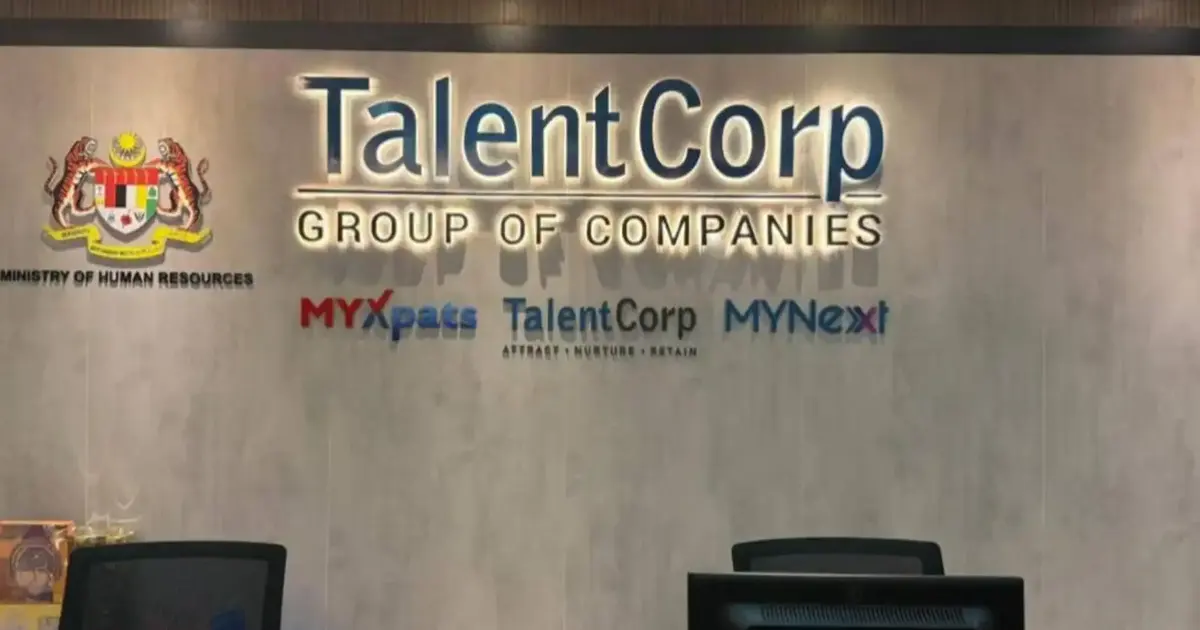
Prime Minister Anwar Ibrahim has directed a comprehensive examination of TalentCorp's operational application procedures, signalling potential structural changes to Malaysia's talent recruitment machinery. Communications Minister Fahmi Fadzil disclosed the directive, indicating that Anwar has tasked the human resources ministry with conducting the assessment and submitting detailed findings to the Cabinet for consideration.
The review encompasses multiple dimensions of TalentCorp's existing framework, with particular emphasis on streamlining processes designed to attract overseas-based professionals back to Malaysia. The inclusion of returning doctors within the scope suggests policymakers are responding to longstanding concerns about brain drain in the medical sector, where substantial numbers of Malaysian-trained physicians work abroad. This targeted focus reflects a recognition that healthcare professionals represent a critical talent pool essential to strengthening domestic medical services.
TalentCorp, Malaysia's talent corporation, has historically served as a primary conduit for attracting skilled expatriates and Malaysian diaspora members to contribute to the national economy. The organisation manages recruitment initiatives, relocation support, and professional integration programmes across multiple sectors. However, the application mechanisms have apparently drawn scrutiny, suggesting procedural bottlenecks or eligibility criteria may be creating friction for prospective returnees seeking to re-establish careers locally.
The Cabinet-level escalation of this review indicates the government views talent retention and repatriation as a strategic priority requiring high-level policy intervention. By directing the human resources ministry to investigate rather than allowing TalentCorp to conduct internal assessments, the administration signals commitment to external scrutiny and independent analysis. This approach may uncover systemic issues that institutional actors might otherwise overlook or downplay.
For Malaysian readers, the implications are substantial. Medical brain drain has been a persistent challenge, with estimates suggesting thousands of Malaysian doctors work internationally. Simplified pathways enabling these professionals to return home could address healthcare worker shortages in public hospitals and underserved regions. Enhanced recruitment efficiency might also position Malaysia more competitively against regional counterparts like Singapore and Thailand in attracting talent.
The review's scope extending beyond merely regulatory streamlining could encompass incentive structures, tax considerations, professional credential recognition processes, and career progression opportunities. International experience demonstrates that talent repatriation succeeds when countries remove bureaucratic friction while offering compelling economic and professional advantages. Malaysia's approach mirrors strategies employed by countries like Vietnam and the Philippines, which have invested heavily in talent return programmes.
Fahmi Fadzil's public communication of the directive demonstrates deliberate political messaging. By highlighting the Prime Minister's personal engagement with the review, the government underscores its commitment to addressing systemic challenges in talent management. This transparency may also signal receptiveness to stakeholder feedback from medical associations, diaspora communities, and business chambers, who have periodically raised concerns about application inefficiencies.
The timing of this review arrives amid broader economic considerations. Malaysia faces competitive pressure from neighbouring economies competing for the same talent pools. Singapore's targeted professional recruitment strategies and Thailand's investment in healthcare infrastructure represent comparative benchmarks. Regional competition for skilled workers has intensified, making Malaysia's talent proposition increasingly consequential for economic performance and sectoral competitiveness.
Cabinet presentation of the human resources ministry's findings will likely trigger policy discussions about legislative amendments, departmental restructuring, or resource allocation. Decisions emerging from this process could reshape how Malaysia engages diaspora populations and influences return migration patterns. The potential ripple effects extend beyond medicine, as improvements to TalentCorp's frameworks may enhance recruitment across technology, engineering, finance, and other knowledge-intensive sectors.
Stakeholders including medical professional bodies, diaspora networks, and private sector employers will monitor the review's progress closely. Results could inform broader conversations about Malaysia's competitiveness in the region's talent marketplace and the government's capacity to execute on strategic priorities. The review represents a pivotal moment for reassessing whether existing talent infrastructure adequately serves national development objectives or requires fundamental reimagining.

