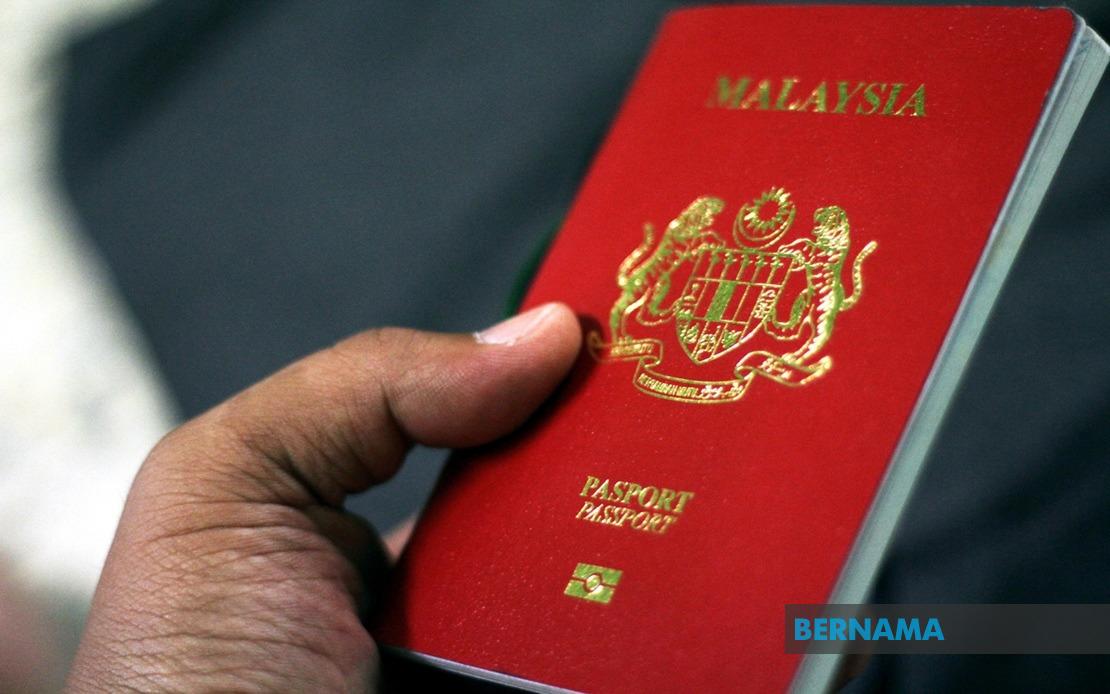
Prime Minister Datuk Seri Anwar Ibrahim will unveil the next generation of the Malaysian International Passport at Parliament lobby tomorrow, marking a significant milestone in the country's efforts to fortify its identity document security infrastructure. The new travel document incorporates 94 distinct security features, representing a substantial upgrade from the existing passport which contains only 49 protective elements. This enhancement underscores the government's commitment to maintaining Malaysia's competitive standing in global passport security rankings while addressing evolving counterfeiting threats.
The redesigned passport reflects broader governmental initiatives to strengthen Malaysia's identity management systems at a time when document fraud and identity theft have become increasingly sophisticated challenges across Southeast Asia and beyond. Home Minister Datuk Seri Saifuddin Nasution Ismail earlier announced comprehensive plans to introduce redesigned versions of both the Malaysian International Passport and MyKad, signalling a coordinated approach to enhancing national data security across multiple authentication platforms. This dual-pronged strategy recognises that modern identity security requires continuous innovation to stay ahead of advancing criminal technologies.
The technological improvements embedded in the new passport demonstrate substantial progress in anti-counterfeiting measures. Among the featured upgrades are advanced holographic elements that create visually complex authentication layers difficult to replicate without specialised equipment. Ultraviolet printing technology has been incorporated throughout the document, enabling authorised personnel and border officials to verify authenticity through non-visible markings invisible under normal light conditions. These conventional techniques form the foundation of modern passport security architecture used by leading nations globally.
Beyond surface-level visual enhancements, the new passport incorporates sophisticated hidden visual elements and specialised forensic security features designed to withstand scrutiny from border control specialists and international law enforcement agencies. The binding thread securing the passport booklet has undergone significant enhancement, incorporating security elements that make unauthorised access and page substitution substantially more challenging. Each individual page has been redesigned with a unique layout, eliminating the possibility of fraudsters replicating standardised page designs and further raising barriers to successful forgery attempts.
Malaysia's investment in passport security enhancement occurs within the context of the Malaysian International Passport's impressive global standing. According to the Passport Index rankings for 2025, Malaysia's travel document holds the world's third most powerful passport designation, reflecting both the document's security specifications and the extensive travel privileges it affords Malaysian citizens across international borders. This elevated status carries responsibility to maintain and continuously improve security standards to justify and preserve the confidence international partners place in Malaysian identity verification systems.
The initiative carries particular significance for Malaysia's position within Southeast Asia and the broader Asia-Pacific region. As travel patterns and cross-border movements intensify throughout the region, ensuring document integrity becomes increasingly critical for facilitating legitimate commerce and tourism while preventing criminal misuse. Enhanced passport security directly supports Malaysia's economic interests by protecting the integrity of its travel document while demonstrating governmental competence in technical implementation and national security management, factors that influence international confidence in Malaysian institutions.
From a practical perspective, Malaysian citizens will experience minimal disruption during the transition to the new passport design. The launch tomorrow signals the beginning of a rollout process that will likely extend over months, with existing passports remaining valid according to their original expiry dates. Individuals requiring passport renewal or new issuance will progressively receive documents incorporating the enhanced security architecture. This staggered implementation approach balances security imperatives with practical considerations affecting millions of Malaysian citizens holding currently valid travel documents.
The technological specifications outlined represent considerable investment in research, development, and manufacturing capabilities. The complexity of implementing 94 distinct security features requires sophisticated printing equipment, specialised materials, and rigorous quality control processes that demand substantial capital expenditure and ongoing operational costs. These investments reflect governmental assessment that enhanced security justifies the financial commitment required to implement state-of-the-art passport protection measures.
International cooperation and standards compliance feature prominently in modern passport security considerations. The new Malaysian passport design likely incorporates internationally recognised standards for machine-readable zones and biometric data security, ensuring seamless integration with border control systems worldwide. Maintaining compatibility with existing international infrastructure while implementing enhanced national security features requires careful technical coordination between Malaysian authorities and relevant international bodies overseeing travel document standards.
The announcement of tomorrow's launch demonstrates governmental attention to identity security matters at the highest political levels, with Prime Minister involvement underscoring the initiative's importance within the broader national security agenda. This high-profile engagement serves communicative functions beyond the technical aspects of passport security, signalling to both domestic and international audiences that Malaysia treats identity document integrity as a priority requiring sustained leadership focus and resource allocation.

