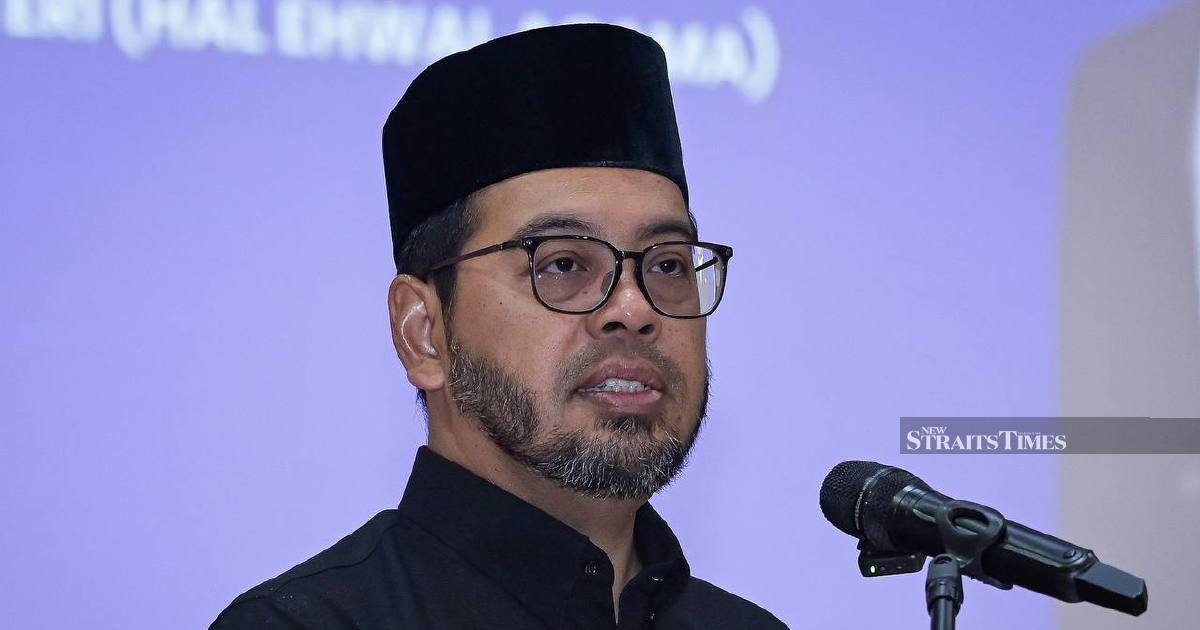
The Prime Minister's Department (Religious Affairs) has thrown its weight behind a significant directive issued by His Majesty Sultan Ibrahim, King of Malaysia, mandating that investigations into the Royal Commission of Inquiry's findings on Lembaga Tabung Haji must be pursued with complete rigour, full transparency, and without deviation from established procedures. This declaration of alignment comes as Malaysia grapples with accountability measures following the high-profile RCI into the pilgrimage fund manager, signalling potential institutional momentum for addressing governance concerns that have long preoccupied Muslim Malaysian stakeholders.
Lembaga Tabung Haji, the statutory body responsible for managing savings and facilitating pilgrimages for Malaysian Muslims, has been subject to mounting scrutiny over recent years. The creation of the Royal Commission of Inquiry reflected growing public and official concern regarding operational and financial management practices within the organisation. For Malaysian Muslims, many of whom entrust substantial savings to the institution, questions about institutional integrity carry profound personal and spiritual significance beyond mere financial considerations.
His Majesty's directive establishes a clear constitutional benchmark for how investigations must proceed. The emphasis on thoroughness signals a determination to leave no stone unturned in examining findings, while the insistence on transparency acknowledges the legitimate interest of the Malaysian public and particularly the Muslim community in understanding how their money and trust have been managed. The stipulation against compromise appears designed to prevent political expediency or institutional self-interest from diluting investigative conclusions.
The Prime Minister's Department's formal endorsement carries institutional weight. As the governmental body overseeing religious affairs at the federal level, the department's backing suggests that executive machinery will facilitate rather than obstruct the investigative process. This alignment between the palace and the executive branch on this matter is significant, as it reduces the likelihood that investigations could be hamstrung by bureaucratic foot-dragging or competing institutional priorities.
For Malaysian stakeholders holding deposits in Lembaga Tabung Haji, the commitment to thorough investigation addresses longstanding anxieties about whether accountability mechanisms would genuinely function. The institution manages funds belonging to millions of Malaysians who depend on it for their hajj journeys and retirement savings. Any governance lapses therefore carry implications extending far beyond corporate boardrooms into the daily financial security of ordinary Muslim families throughout the country.
The regional context adds another dimension to this development. Southeast Asia's Islamic finance sector commands significant assets, and Malaysia positions itself as a leader in the global Islamic banking and finance ecosystem. How authorities handle governance issues within major Islamic financial institutions influences confidence not only domestically but also among international observers assessing Malaysia's institutional capacity and regulatory standards.
The transparency requirement deserves particular emphasis. Malaysian governance culture has historically wrestled with balancing institutional confidentiality against public accountability, particularly when sensitive matters involve government-linked entities. The King's explicit call for transparency appears designed to reset expectations, establishing that public interest in understanding how collective resources have been managed supersedes institutional preferences for discretion.
Implementing such comprehensive investigations while maintaining rigorous standards presents practical challenges. Investigators must navigate complex financial records, assess technical claims, potentially examine decisions spanning multiple administrations, and potentially determine whether apparent improprieties constitute legal violations versus management errors. The commitment to proceeding without compromise suggests investigators should follow evidence wherever it leads regardless of political or organisational implications.
The involvement of the Prime Minister's Department signals that investigative findings will eventually flow into the government's decision-making channels. Whether the department's explicit backing translates into concrete remedial actions—whether organisational restructuring, prosecution of wrongdoers if warranted, compensation mechanisms for affected depositors, or enhanced regulatory oversight—remains to be determined but will ultimately test the sincerity of current commitments.
For the broader Malaysian context, this episode illustrates how governance accountability intersects with religious trust. Lembaga Tabung Haji differs from ordinary commercial entities because it operates within the framework of Islamic values and serves a religiously significant function. Public confidence requires that both substantive governance standards and the appearance of impartial investigation meet expectations appropriate to this sacred trust.
The coming weeks and months will reveal whether procedural commitments translate into substantive action. Observers will monitor whether investigations proceed with genuine independence, whether findings address root causes rather than peripheral issues, and whether accountability extends to decision-makers regardless of their current positions or connections. The Prime Minister's Department's stated support will be judged against actual facilitation of the investigative process and responsiveness to its eventual findings.
Ultimately, His Majesty's directive and the executive endorsement reflect recognition that institutional credibility depends on genuine accountability. For millions of Malaysian Muslims with deposits in Lembaga Tabung Haji, the months ahead will determine whether formal commitments to thoroughness and transparency translate into actual restoration of confidence in an institution central to their financial and spiritual aspirations.

