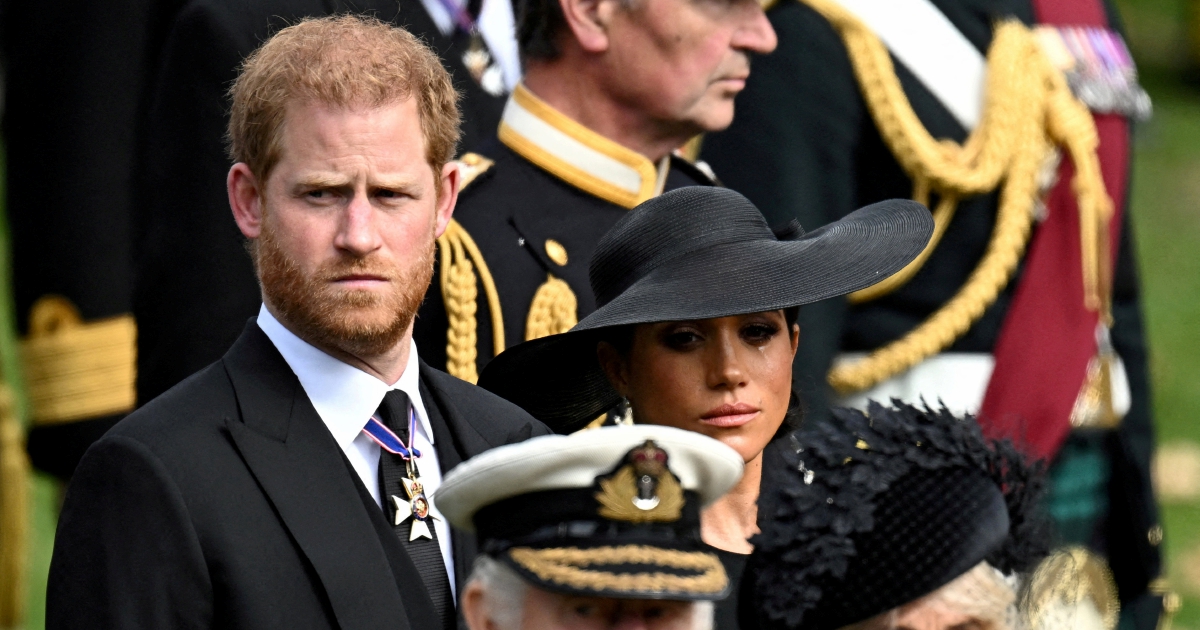
Prince Harry, the British royal and resident of California, along with musician Elton John and several other high-profile individuals, have been ordered by a London court to pay substantial sums towards the legal defence costs incurred by the Daily Mail's publishing company. The financial liability follows a judicial determination that their collective privacy lawsuits were conducted in a manner the court deemed unreasonable and procedurally problematic, marking a significant legal setback for the claimants and raising broader questions about the costs of pursuing privacy actions in British courts.
The ruling represents a sharp reversal for the celebrities who initiated legal action against the newspaper publisher, seeking damages and injunctions over privacy breaches. Rather than recovering damages as they hoped, the court's decision now obligates them to contribute towards paying the publisher's substantial legal bills accumulated during the defence. This outcome demonstrates the considerable financial risk involved when pursuing such cases, particularly when judges find fault with how the litigation was conducted rather than focusing solely on the underlying privacy claims themselves.
For Prince Harry specifically, this decision carries particular weight given his well-documented history of contentious relations with British tabloid media. The prince has previously taken legal action against several publications and has been outspoken about invasive journalistic practices that he contends affected his family's privacy and wellbeing. His involvement in this collective action against the Daily Mail appeared to reflect ongoing efforts to hold publishers accountable for alleged overreach. However, the court's judgment suggests that the manner in which these privacy claims were pursued may have undermined their legal prospects.
The judge's finding that the lawsuits were conducted unreasonably indicates procedural missteps or tactical decisions that created vulnerability in the claimants' legal position. In British litigation, courts possess discretionary power to award costs against parties whose conduct of proceedings falls short of reasonable standards. This principle serves as a deterrent against legally aggressive strategies that courts view as unnecessarily combative, excessively costly, or otherwise inappropriate. When multiple claimants pursue coordinated legal action, as appears to have occurred here, the procedural complexities multiply substantially.
Elton John's participation in this litigation reflects broader celebrity concerns about tabloid intrusion that have resonated across the entertainment industry for decades. The legendary musician has previously spoken about his struggles with invasive media coverage and privacy violations throughout his career. His involvement alongside Prince Harry and others suggests the action was conceived as part of a collective effort to establish important legal precedents around privacy protection for public figures. The adverse cost ruling, however, complicates any potential strategic victory the claimants might have achieved elsewhere in the litigation.
The financial implications extend beyond merely covering the opposing party's legal fees. Each of the claimants now faces individual liability for their proportionate share of these costs, which could amount to millions of pounds collectively. For celebrities accustomed to winning their legal battles, such an outcome represents an unusual and unwelcome development. The costs ruling may have a chilling effect on future privacy litigation, as potential claimants calculate the financial risks involved if their cases proceed unsuccessfully or are deemed to have been pursued unreasonably.
This case reflects the ongoing tension in British law between protecting privacy—an increasingly important right that courts have expanded significantly in recent decades—and preventing litigation that becomes unduly burdensome or strategically opportunistic. The Daily Mail's publisher successfully convinced the court that the manner of the claimants' action warranted a costs sanction. This finding particularly matters because privacy law in Britain remains relatively young and evolving compared to other jurisdictions, making procedurally sound case management essential for establishing credible precedents.
For Malaysian and Southeast Asian observers, this case provides instructive insights into how common-law jurisdictions handle privacy disputes and the financial jeopardy that can accompany such litigation. Unlike some regions with codified privacy frameworks, British common law develops privacy protections through judicial interpretation. The decisions that emerge from high-profile cases involving celebrities and major media organisations help shape how these protections evolve. The costs implications here demonstrate that having a legitimate privacy grievance does not guarantee legal victory or even financial vindication when judges scrutinise the proceedings themselves.
The broader context involves escalating conflict between public figures and tabloid publishers in Britain that has animated public debate for years. Parliamentary inquiries into press regulation, the Leveson Inquiry, and numerous individual cases have all addressed concerns about journalistic overreach and inadequate privacy protection. Cases like this one, despite their unfavourable outcome for the claimants, remain part of the ongoing struggle to define appropriate boundaries between legitimate journalism and unacceptable intrusion. The costs ruling suggests courts will rigorously examine not just the substance of privacy claims but also how they are litigated.
Moving forward, this decision will likely influence how future privacy cases are structured and pursued. Claimants and their legal teams will need to exercise greater caution regarding procedural compliance and the reasonableness of their litigation tactics. The financial stakes have become considerably higher, particularly for collective actions involving multiple claimants. For Prince Harry and others ordered to pay, this represents both a financial liability and a tactical defeat that may inform their strategy in future disputes with media organisations. The judgment serves as a potent reminder that in complex litigation, how you pursue your case can prove as consequential as whether your underlying claims have merit.

