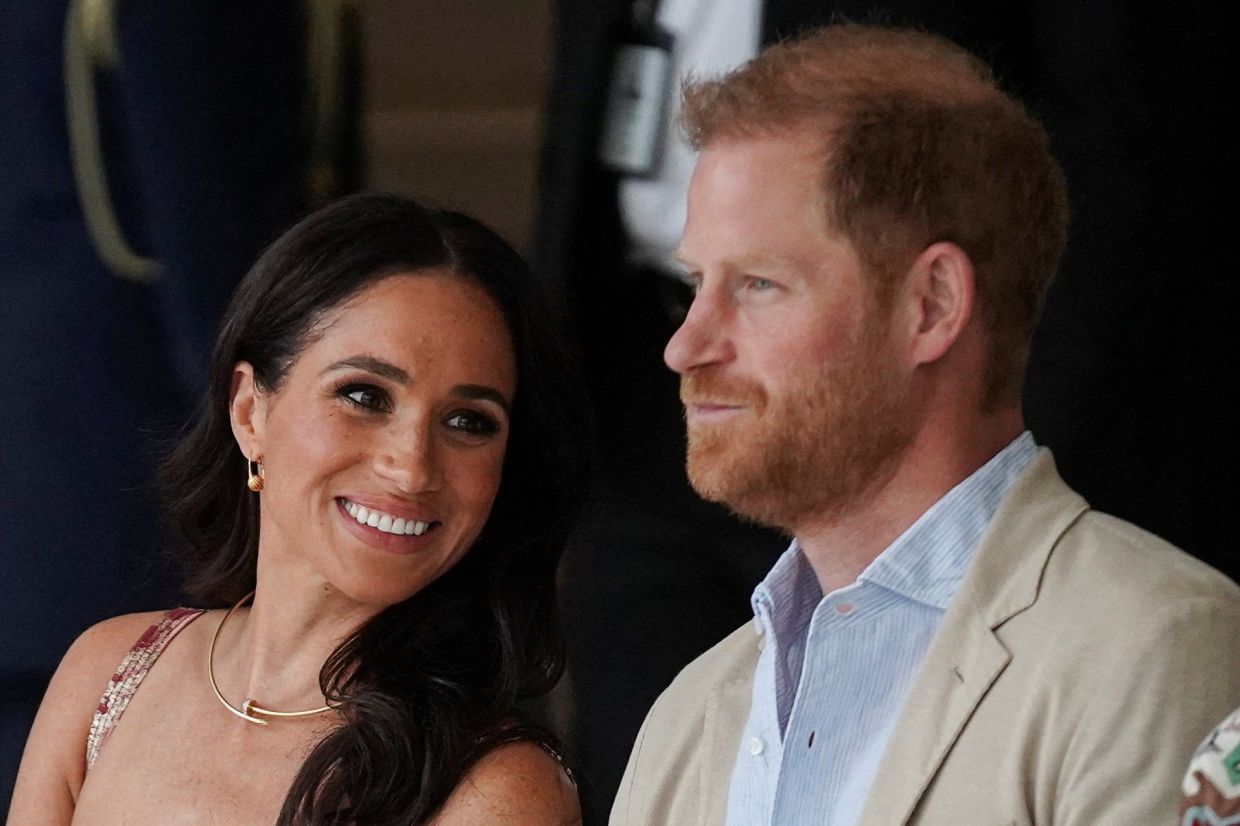
Prince Harry and Meghan have decided to relocate their family to the United Kingdom, though they will not return as working members of the royal household, according to reports from British news organisations this week. Their two children, seven-year-old Prince Archie and five-year-old Princess Lilibet, have already secured places at British schools and are expected to begin classes when the new academic term opens in September. This significant development marks a potential turning point in the couple's relationship with the royal family after more than six years abroad.
The Duke and Duchess of Sussex departed Britain in 2017 to establish themselves in California, where they have built substantial business ventures including streaming contracts with Netflix and Spotify. Their move across the Atlantic was initially positioned as a fresh start away from the intensity of royal life and intense media scrutiny. King Charles III was informed of the relocation plans on Sunday, notably through a separate channel rather than during their recent visit to the United Kingdom last month. The couple's representatives have declined to comment on the move, while Buckingham Palace maintains its standard position of not discussing matters involving non-working royals.
The decision to return reflects a broader shift in Harry's perspective following recent health challenges within the immediate family. The Prince has been candid about his desire to reconcile with his father, who is undergoing treatment for an undisclosed cancer diagnosis. During a BBC interview, Harry expressed his openness to healing family rifts, stating his concerns about the passage of time with his ageing parent. This sentiment appears to have driven the decision to establish a more permanent base in Britain where the children can maintain regular contact with their grandfather and experience education within the United Kingdom.
Harry and Meghan's initial departure sparked a turbulent period marked by public criticism, legal disputes, and strained relationships with other members of the royal family. Through interviews and Harry's published memoir, the couple aired grievances about their treatment by the institution and the relentless attention from tabloid media. These tensions have not fully dissipated, and their relationship with Prince William, the heir to the throne, shows no signs of improvement. Royal observers suggest that William may view this development unfavourably, with one former BBC correspondent suggesting the announcement could provoke strong negative reactions from the Prince of Wales.
A significant complication in the couple's relationship with Britain has been Harry's protracted legal battles with media organisations. He has pursued multiple cases alleging illegal phone hacking and privacy violations, though these efforts have largely been unsuccessful. A recent court ruling held Harry and fellow plaintiffs liable for the publisher's legal costs, potentially exposing him to bills exceeding £34.5 million. These financial and reputational consequences from his media litigation have made a return to Britain a more complicated proposition, as his legal standing with the British press remains contentious.
Security arrangements have also represented a significant point of contention between Harry and the British government. The Prince has argued that his family requires armed police protection due to their status as members of the royal family, independent of any working royal role. The government's refusal to authorise such protection and subsequent legal defeats on this issue have reinforced Harry's sense of isolation from the institution. However, his determination to spend meaningful time with his father appears to have outweighed these obstacles.
A tentative reconciliation effort occurred during Harry's recent charitable visit to Britain last month. Meghan and the children accompanied him for portions of this trip, and the family spent time together at King Charles's Highgrove estate in Gloucestershire. This marked the first occasion since Queen Elizabeth II's platinum jubilee in 2022 that Archie and Lilibet had seen their grandfather, making the encounter symbolically significant for both generations. The visit demonstrated that despite years of distance and public acrimony, pathways to rebuilding relationships remain available.
The relocation decision carries substantial implications for the broader royal family dynamics and the public narrative surrounding the Sussexes. For Malaysian and Southeast Asian observers, this development illustrates how even the most prominent families navigate complex personal and professional rifts across geographical and institutional boundaries. The couple's ability to establish independent business ventures while simultaneously maintaining emotional ties to their family of origin offers a unique case study in balancing autonomy with belonging.
The children's education in the United Kingdom represents another practical dimension of this move. British schooling offers particular advantages in terms of cultural continuity, family connections, and the establishment of social networks within their ancestral homeland. For Archie and Lilibet, who have spent their formative years primarily in California, this transition will introduce them to British institutions, peers, and traditions that constitute an important part of their inheritance and identity.
Looking forward, the success of this arrangement will depend significantly on whether the underlying family tensions can be genuinely addressed or merely managed through physical proximity. Harry's public statements suggest he has adopted a more conciliatory posture, particularly motivated by finite time with his father. The lack of movement toward reconciliation with Prince William, however, indicates that the royal institution's internal divisions remain substantive. This geographical repositioning may ultimately serve as a practical compromise—allowing Harry to maintain his independence and business interests while creating opportunities for family connection that six years of transatlantic distance made increasingly difficult.
The announcement also raises questions about the couple's long-term intentions. Whether this represents a permanent return to Britain or a more flexible arrangement remains unclear. What appears certain is that the calculus of benefits and burdens has shifted for Harry and Meghan, with proximity to family and the desire for their children to experience British life now apparently outweighing the convenience and distance that California previously provided.

