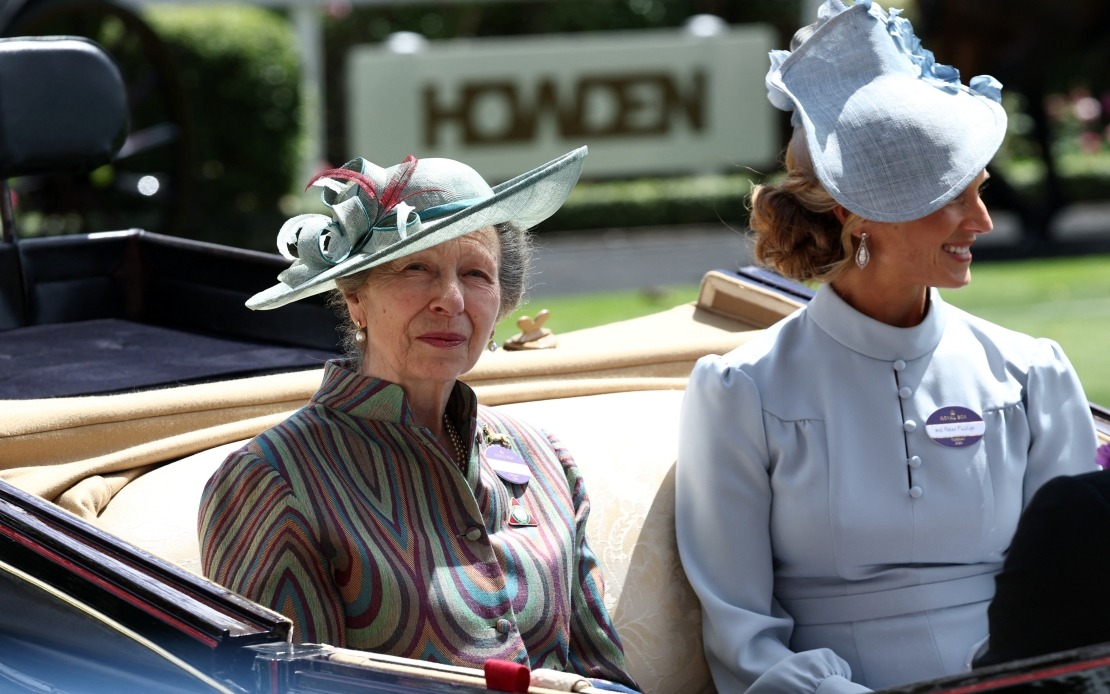
Princess Anne, the sister of Britain's King Charles III, is set to undertake a significant diplomatic visit to South Korea this week, as confirmed by the British Embassy in Seoul. The three-day trip, commencing on Monday, carries considerable symbolic weight as it coincides with the 75th anniversary of two pivotal battles fought during the 1950-1953 Korean War—the Battles of Imjin River and Gapyeong—both of which involved substantial British military participation. Accompanying the Princess Royal will be her husband, Vice Admiral Sir Tim Laurence, underscoring the formal nature of the engagement.
The visit represents more than ceremonial remembrance; it reflects the enduring historical bonds forged through shared military sacrifice and contemporary strategic partnership between the United Kingdom and South Korea. For Malaysian observers, this royal engagement offers insights into how developed nations maintain historical narratives through high-level diplomatic visits while simultaneously using such occasions to advance present-day bilateral interests. The commemoration of the Korean War remains particularly resonant across East Asia, where the conflict's legacies continue shaping regional security architecture and diplomatic alignments.
During her stay, Princess Anne will attend a solemn commemorative ceremony at the United Nations Memorial Cemetery in Busan, a southeastern port city that has become a focal point for honouring Commonwealth service members who perished or served during the Korean conflict. This ceremony will bring together British and Korean officials, veterans, and their families to pay collective respects to those who lost their lives in what remains one of the twentieth century's most significant geopolitical flashpoints. The Princess Royal's attendance carries particular gravitas within British ceremonial and diplomatic circles, as she holds numerous patronages related to military service and historical remembrance.
Beyond the memorial ceremonies, Princess Anne will conduct substantive diplomatic engagements designed to strengthen contemporary ties between the two nations. A scheduled courtesy call on President Lee Jae Myung on Tuesday will provide an opportunity to discuss expanding bilateral cooperation and exploring areas of mutual interest. Such high-level meetings typically encompass trade relationships, defence partnerships, scientific collaboration, and cultural exchange, offering both nations platforms to reaffirm shared values and strategic objectives in an increasingly complex regional environment.
The itinerary also includes a visit to Ulsan, a major maritime and industrial hub, where Princess Anne will observe developments in sectors of considerable bilateral importance. South Korea's shipbuilding, defence manufacturing, and maritime industries represent some of the nation's most competitive global assets, and British investment and partnership interest in these sectors remains substantial. The visit to Ulsan enables the Princess Royal to gain firsthand understanding of cutting-edge industrial capabilities while demonstrating London's sustained commitment to economic and technological cooperation with Seoul.
This represents Princess Anne's return to South Korea following her previous visit during the 2018 PyeongChang Winter Olympics, when she attended events as a member of the International Olympic Committee. That prior engagement established her familiarity with the South Korean context and helped build personal relationships with officials and institutional leaders, foundations upon which this week's visit can build. The continuity of royal diplomatic engagement underscores Britain's strategic interest in maintaining and deepening ties with one of Asia's most dynamic economies and significant geopolitical actors.
For Southeast Asian readers, this visit illuminates broader patterns in how middle powers and major economies navigate great power competition through layered diplomacy combining historical remembrance with contemporary cooperation frameworks. South Korea itself occupies a comparable position to several ASEAN nations, balancing relationships with major powers while pursuing independent strategic interests. The British royal visit also reflects London's sustained engagement with the Indo-Pacific region, an area that British foreign policy increasingly identifies as vital to its long-term prosperity and security interests.
The Korean War's legacy continues influencing regional dynamics across East Asia and the Pacific, with the unresolved division on the Korean Peninsula remaining one of the world's most significant geopolitical tensions. British acknowledgement of this history through high-level commemoration events signals solidarity with South Korea and reaffirms commitments to rules-based international order and regional stability. For Malaysia and other regional nations, understanding how established powers maintain historical narratives while advancing contemporary interests provides useful frameworks for considering their own diplomatic strategies and international relationships.
Princess Anne's role as The Princess Royal carries particular significance within Commonwealth contexts, as she maintains extensive patronages and actively participates in state business on behalf of the British crown. Her personal involvement in this visit, rather than relying solely on ministerial representatives, elevates its importance and demonstrates the British monarchy's continued investment in its international relationships. This approach differs markedly from purely transactional diplomatic engagements and reflects how ceremonial elements and institutional gravitas can amplify contemporary political messaging.
The timing of this visit during the 75th anniversary year provides enhanced symbolic resonance that both nations are leveraging for diplomatic purposes. Milestone anniversaries offer natural moments for reassessing relationships, renewing commitments, and articulating future directions. For South Korea, the visit affirms enduring Western alliance partnerships and demonstrates that its contributions during the Korean War continue commanding respect and recognition from significant global actors. For Britain, the engagement underscores its continued relevance in Asian affairs and commitment to relationships forged during the Cold War that remain strategically significant today.
As the visit unfolds this week, observers across Southeast Asia and beyond will likely assess how successfully Britain leverages historical commemoration to advance contemporary diplomatic objectives and whether such engagements produce tangible outcomes in trade, defence cooperation, or technological collaboration. The visit exemplifies how modern diplomacy often blends ceremonial remembrance with pragmatic negotiation, and how royal institutions continue serving instrumental functions within contemporary international relations despite their historical origins.

