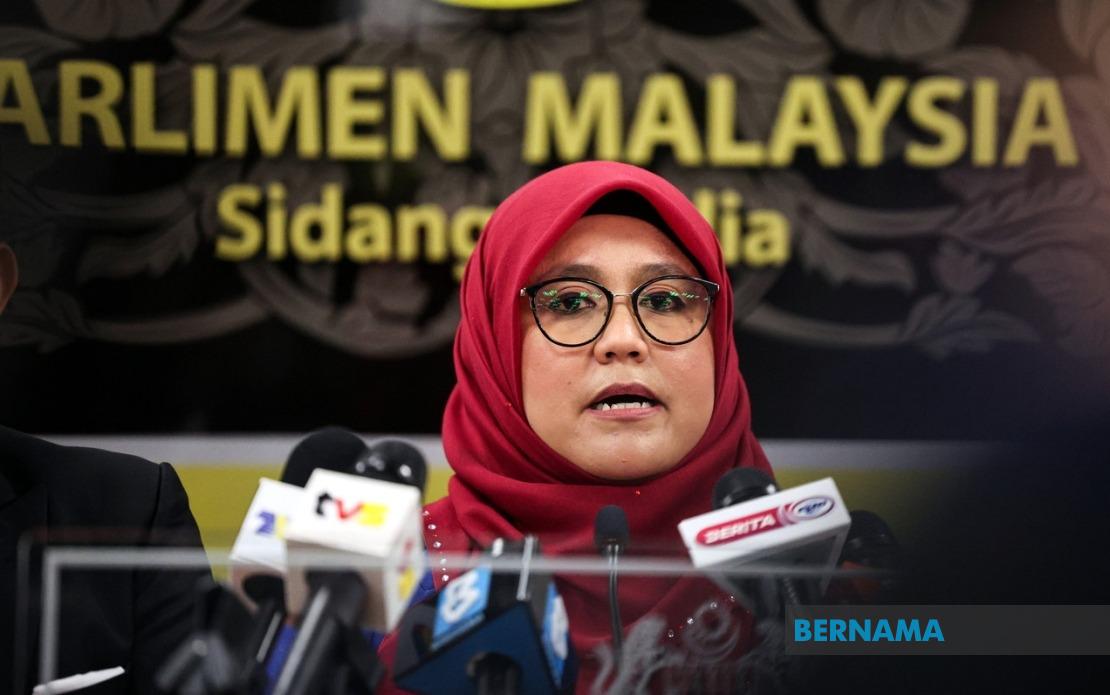
The Public Accounts Committee has pinpointed a critical imbalance in Malaysia's healthcare cost structure, finding that the rapid rise in health insurance premiums stems predominantly from private hospital charges that fall outside professional fee regulations rather than from doctors' remuneration. In a statement tabled in Parliament by Kapar MP Dr Halimah Ali on behalf of PAC chairman Datuk Mas Ermieyati Samsudin, the committee revealed that while medical professionals' fees have been strictly controlled since 2013, hospitals have free rein to set charges for medical supplies, diagnostic tests, laboratory work, medicines and equipment without government oversight. This regulatory gap has created a two-tier pricing environment where hospitals can essentially pass through costs without transparency or competitive pressure.
The PAC's investigation uncovered that private hospitals have leveraged this unregulated space to absorb escalating operational expenses by bundling them into medical charges. Rising costs associated with labour, utilities and technology investments are being recovered through inflated prices on medicines, consumables and diagnostic services rather than being transparently itemised for patients and insurers. Additionally, the adoption of advanced medical technologies and newer treatment protocols—while beneficial for patient outcomes—has been implemented without corresponding price controls, allowing hospitals to charge premium rates that eventually flow into insurance premium calculations. The committee noted that litigation costs and expenses related to defensive medical practices have similarly contributed to the upward cost spiral.
A particularly troubling finding concerns the lack of standardised billing practices across private hospitals in Malaysia. This absence of uniform charging structures has created an opaque market where determining the true cost of any medical service or even basic consumable items becomes nearly impossible. Patients and insurers cannot easily compare prices or identify whether they are being charged fairly, undermining market transparency that would normally incentivise cost competition. The PAC observed instances where hospitals employed unbundling strategies, charging separately for items like clinical waste disposal, pillowcases and alcohol swabs—materials that logically should be incorporated into room charges or general service fees. This fragmented approach obscures actual service costs and allows hospitals to extract additional revenue from what consumers might reasonably consider bundled services.
Pharmaceutical pricing emerged as another significant concern, with the committee documenting evidence of substantial markups occurring across multiple stages of the medicine supply chain. Generic drugs in some cases were priced higher than their branded innovator counterparts, a counterintuitive situation that suggests market distortions rather than genuine cost differences. The situation is exacerbated by structural monopolies within the industry: more than 1,500 medicines registered in Malaysia have only a single manufacturer, eliminating competitive pressure and enabling unrestricted price-setting. This pharmaceutical monopoly challenge is particularly relevant for Malaysian patients and policymakers, as it means imported medicines face no local competition and even domestically-produced generics can be protected from competition through registration barriers.
Another discovery involved price discrimination based on payment method, with the PAC finding clear evidence that hospitals charge different rates depending on whether patients use guarantee letters from insurers, pay cash or utilise pay-and-claim arrangements. This differentiated pricing undermines the principle of equitable access and suggests hospitals systematically extract higher revenues from insured patients—costs that ultimately appear in premium calculations. Such discrimination, while perhaps technically legal, raises fairness concerns and distorts insurance markets by making insured patients effectively subsidise hospital revenue targets.
To address these systemic deficiencies, the PAC has submitted 17 substantive recommendations to government. Among the most significant is accelerating implementation of the Diagnosis-Related Group payment system, which would establish transparent, standardised pricing for hospital procedures and services. The committee also proposes amending the Private Healthcare Facilities and Services Act 1998 to enable the Ministry of Health to regulate private hospital charges beyond doctors' professional fees—closing the regulatory gap that currently permits unchecked cost escalation. These legislative changes would represent a fundamental shift in Malaysia's approach to private healthcare oversight.
The PAC recommendations also call for coordinated action between the Ministry of Health and the Ministry of Domestic Trade and Cost of Living to establish formal mechanisms for regulating medicine and medical equipment prices. Additionally, the committee suggests exploring direct government procurement from manufacturers, particularly encouraging local production partnerships to reduce dependence on suppliers and prevent cartel-like behaviour that inflates costs. For Malaysian healthcare stakeholders, these recommendations address a critical vulnerability: the country's pharmaceutical and medical equipment markets currently lack sufficient competition safeguards.
Parliamentary debate on the PAC report revealed broad consensus across government and opposition benches regarding the urgency of reform. Twelve MPs from both blocs called for tightened regulation of hospital charges and medicine pricing, improved transparency in insurance industry practices, and expedited DRG implementation. They also urged strengthened coordination between the Ministry of Health, Bank Negara Malaysia and other relevant agencies to combat medical cost inflation at a systemic level. Some legislators proposed additional measures, including investment in public healthcare capacity to reduce reliance on private facilities, comprehensive review of insurance-related legislation, temporary freezes on fee increases at university hospitals to prevent market distortion, and consideration of elevated taxation on private hospitals profiting substantially from medical tourism.
The PAC findings carry significant implications for Malaysian patients, employers and the broader economy. As health insurance premiums continue rising faster than general inflation, individuals and businesses face mounting pressures on household budgets and corporate benefit costs. The committee's analysis suggests these increases are not inevitable consequences of medical innovation or professional fees, but rather reflect market failures and regulatory gaps that can be addressed through policy intervention. For regional context, Malaysia's healthcare cost trajectory mirrors challenges seen elsewhere in Southeast Asia, where rapid private sector expansion has occurred with limited pricing oversight, making this PAC analysis potentially instructive for neighbouring countries wrestling with similar issues.
Implementing the PAC recommendations would require sustained political will and coordination across multiple government agencies. The proposed DRG system, while administratively complex, would provide the transparency foundation necessary for meaningful price competition and oversight. Legislative amendments to the Private Healthcare Act would be essential to establish clear regulatory authority. For Malaysian healthcare consumers and policymakers, the committee's work demonstrates that runaway insurance costs are not simply technical problems requiring individual solutions, but rather systemic market failures amenable to structural reform. Whether government acts decisively on these recommendations will largely determine whether premium escalation continues unchecked or stabilises at sustainable levels.

