Malaysia's growing urban gardening movement has brought fresh enthusiasm to home food production and ornamental cultivation, yet few gardeners consider the invisible threat accumulating in their soil beds. Microplastics—tiny fragments generated when plastic products deteriorate over time—have become ubiquitous environmental contaminants, and they're now being discovered in agricultural soils worldwide, including Southeast Asia. For Malaysian households increasingly focused on sustainable living and food security, understanding how plastic garden products contribute to soil degradation represents a crucial step toward truly responsible cultivation practices.
The journey of microplastics into garden ecosystems begins innocuously enough. When gardeners purchase seedlings in plastic trays, bring home plants in synthetic pots, apply fertiliser from plastic containers, or use plastic-based soil amendments, they're introducing materials destined for fragmentation. As these products weather under tropical Malaysia's intense sun and humidity, they break apart into microscopic particles that persist in soil indefinitely. Unlike organic matter that decomposes and enriches earth, microplastics accumulate without degrading, potentially interfering with the delicate microbial communities—bacteria, fungi, and other organisms—that transform soil into a living, fertile medium capable of sustaining plant life and nutrient cycles.
The concern extends beyond garden beds. Research has documented microplastic presence in drinking water supplies across Asia, in seafood consumed throughout the region, and increasingly in human tissues. For Malaysian consumers already concerned about water quality and food safety, the realisation that their own gardening practices might be contributing to these contamination pathways adds another dimension to the environmental challenge. The problem isn't unique to any single household; it's systemic, embedded in how modern agriculture and horticulture have normalised plastic as the default material for every growing container, support structure, and soil amendment packaging.
Yet solutions exist, and many prove economically advantageous alongside their environmental benefits. Soil-blocking systems represent one elegant alternative to plastic seed trays. These metal moulds compress moistened compost mixtures into freestanding cubes that eliminate plastic entirely while providing superior root development. As roots encounter air at the cube edges, they naturally halt their circular growth pattern and instead develop denser, more robust root systems—a phenomenon called air-pruning that strengthens seedlings before transplanting. For Malaysian gardeners with limited space, this method produces superior results in smaller footprints than traditional potting, making it particularly suited to apartment dwellers and those with compact garden areas.
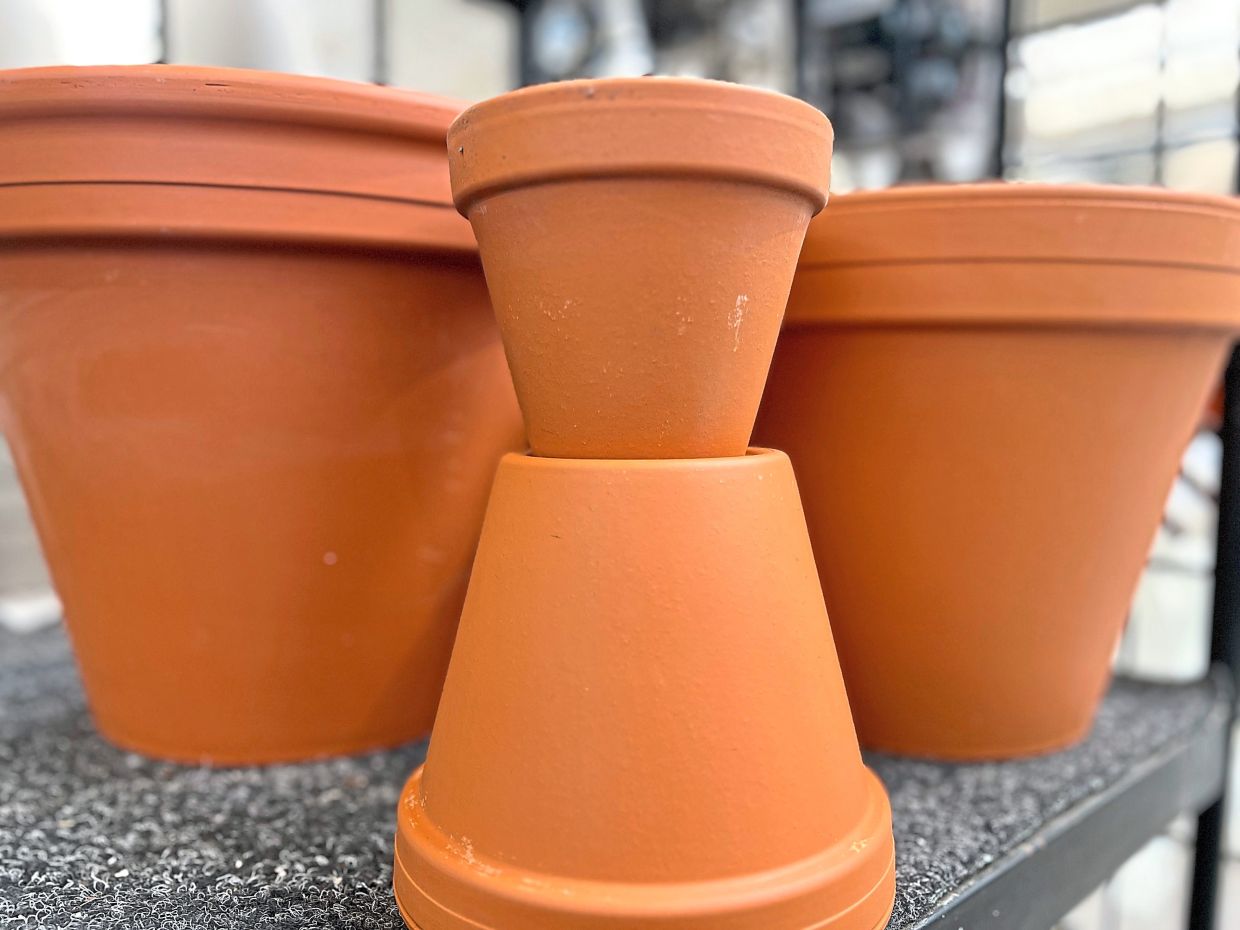
For those preferring ready-made containers, biodegradable alternatives now exist at competitive prices. Coir-based pots manufactured from coconut husks and composted manure containers offer genuine sustainability without the smell concerns that might deter Southeast Asian gardeners accustomed to traditional materials. Both decompose naturally in soil, enriching rather than polluting. Larger plantings benefit from terracotta and wooden containers, materials with deep cultural resonance in Malaysian gardening traditions and proven durability spanning decades. Fabric grow bags, increasingly popular in tropical regions for their drainage properties and temperature regulation, come in natural fibre versions that outperform plastic alternatives while remaining affordable and widely available through regional suppliers.
The procurement strategy itself requires recalibration. Purchasing bare-root plants rather than potted specimens eliminates plastic containers at the source while often reducing costs and transport impacts. Buying compost in bulk from local suppliers—increasingly common in Malaysian towns with organised urban farming communities—proves cheaper than bagged alternatives while eliminating plastic waste. Establishing household compost systems, feasible even in apartments through vermiculture or bokashi methods suited to tropical climates, reduces dependency on purchased soil amendments while providing complete transparency regarding what enters garden beds. This self-sufficiency approach aligns with growing Malaysian interest in circular economy practices and food sovereignty.
Supporting infrastructure deserves equal attention. Canvas tarps made from natural fibres replace plastic sheeting for season extension and weather protection. Landscape fabric, despite widespread use, introduces synthetic materials directly into garden beds where they fragment over years; shredded bark, wood chips, and dry leaves provide superior weed suppression while contributing to soil structure as they decompose. Stakes and plant supports can shift entirely to renewable materials—bamboo, timber, and metal—secured with hemp or jute twine rather than synthetic alternatives. Even plant markers, seemingly trivial, accumulate into significant plastic volumes; wooden popsicle sticks serve this function while eventually composting into soil amendments.
When plastic purchases prove unavoidable, deliberate selection toward durability transforms the equation. Flimsy seed trays designed for single-season use epitomise wasteful consumption; investing instead in heavy-duty reusable versions used repeatedly across multiple seasons reduces per-year plastic input substantially. This principle—favouring longevity over convenience—represents a philosophical shift in gardening practices increasingly relevant to Malaysian consumers confronting mounting plastic pollution in waterways and landfills.
The cumulative impact of these individual choices extends beyond single gardens. As Malaysia's urban gardening movement expands, with thousands of households adopting cultivation practices, the aggregated effect of switching from plastic to natural materials gains significance. Local nurseries and garden suppliers responding to consumer demand can shift inventory toward sustainable options, creating market incentives for regional producers of terracotta, wooden containers, and natural-fibre textiles. This economic multiplier effect supports traditional crafts and agricultural practices while reducing reliance on imported plastic products, strengthening Malaysia's environmental resilience and economic self-sufficiency simultaneously.
The path forward requires neither perfection nor dramatic sacrifice. Gardeners beginning with single substitutions—replacing plastic trays with soil-blocking systems or selecting terracotta over synthetic pots for next season's plantings—establish momentum toward practices that benefit personal health, local ecosystems, and regional environmental futures. Each decision to incorporate natural materials instead of plastic represents a vote for soil integrity and food safety. As Malaysian gardening communities increasingly embrace these principles, the cumulative effect reshapes horticultural norms, demonstrating that sustainable cultivation proves not just environmentally responsible but economically sensible and personally rewarding.

