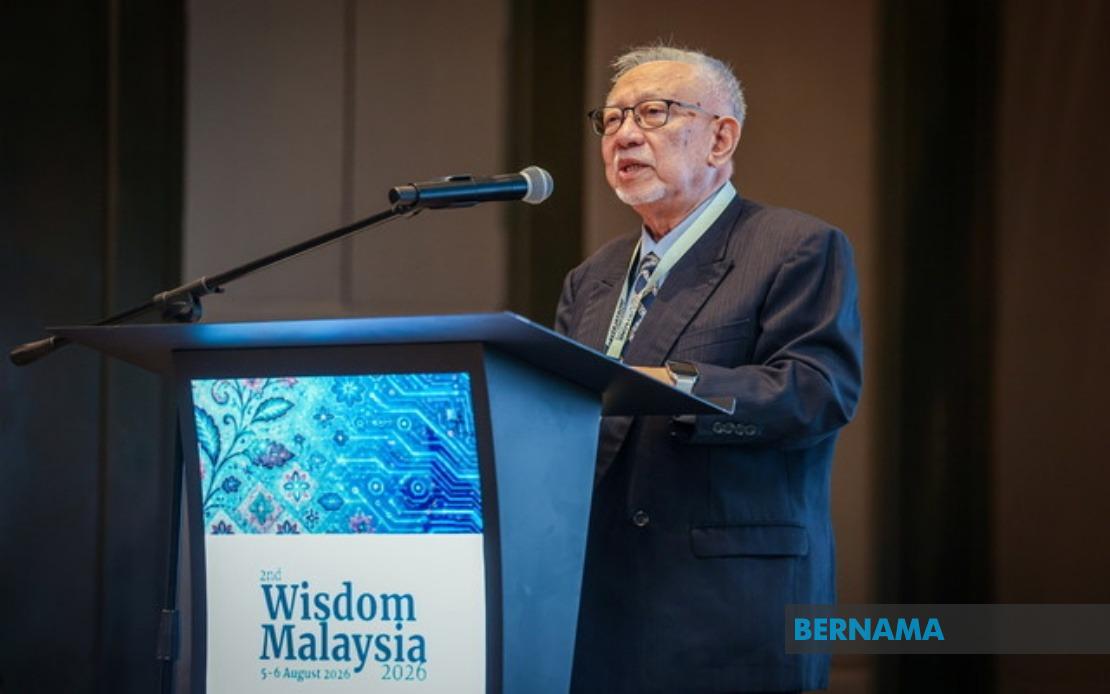
The sustainability of any nation's anti-corruption framework depends fundamentally on the willingness of insiders to speak out against wrongdoing without fear of repercussion. This principle formed the centrepiece of remarks delivered by Datuk Syed Ahmad Idid Syed Abdullah, a former High Court Judge of Malaya and Borneo, at the 2nd Wisdom Malaysia Conference 2026 in Kuala Lumpur on August 6. His intervention arrives at a critical juncture when Malaysia's institutions face mounting scrutiny over their capacity to root out systemic graft whilst simultaneously safeguarding those who dare to expose it.
The core argument Syed Ahmad Idid articulated rests on a sobering observation: when societies punish or intimidate whistleblowers rather than investigating their allegations, they inadvertently construct an environment in which corruption festers unchecked. The former judge stressed that discouraging individuals from coming forward does not merely silence inconvenient truths—it systematically eliminates the very moral anchors within organisations that might otherwise resist and report abuses of power. This dynamic creates a vicious cycle wherein institutional immunity from accountability breeds further misconduct, progressively weakening public trust and governance standards.
In distinguishing whistleblowing from defamation or slander, the retired jurist sought to rehabilitate the reputation of those who report wrongdoing, framing such actions as legitimate exercises in justice rather than acts of personal vendetta or careerism. During a dialogue session titled "The Life, Conscience and Costs of the Principled," he underscored that exposing corruption and rectifying dangerous workplace conditions constitute foundational responsibilities in any functional civil service. This framing is particularly relevant for Malaysian audiences, where cultural norms sometimes discourage public confrontation and institutional critique, potentially dampening the appetite for transparent reporting mechanisms.
Beyond the moral imperative, Syed Ahmad Idid introduced a compelling economic argument that resonates across Southeast Asia: the financial burden of corruption diverts enormous sums from productive public investment. He proposed a thought experiment centred on the scale of illicit proceeds and budgetary leakages that could theoretically be recovered through rigorous enforcement. Should Malaysia successfully recapture such funds, those resources would dwarf current allocations to healthcare and education infrastructure across the nation.
To illustrate the opportunity cost of endemic corruption, he outlined concrete development priorities that recovered funds could address. The construction of at least two fully equipped general hospitals in every Malaysian state would significantly expand healthcare capacity in rural and underserved regions, reducing the burden on existing facilities and improving access to tertiary care for communities currently dependent on distant referral centres. This infrastructure expansion would yield immediate public health dividends whilst generating employment and stimulating regional economies through construction contracts and operational staffing.
Education emerged as the second major beneficiary in Syed Ahmad Idid's scenario. He noted that recovered anti-corruption funds could finance the establishment of 20 to 50 high-quality schools nationwide, equipped with modern teaching facilities and staffed by educators who have undergone world-class training programmes. Such an investment would represent a generational shift in Malaysia's human capital development, moving beyond enrolment metrics to address educational quality and pedagogical excellence. The ripple effects extend beyond academic outcomes: superior educational infrastructure typically attracts stronger teaching talent, encourages higher parental engagement, and creates pathways to upward mobility for disadvantaged communities.
The former judge articulated an additional multiplier effect embedded within educational excellence: a robust school system produces not only accomplished graduates but also generates more effective security and defence personnel alongside elite athletes who can represent Malaysia on international stages. This observation acknowledges that excellence in one institutional domain—education—catalyses improvements across multiple sectors, from law enforcement to sports, ultimately strengthening national resilience and global standing.
Crucially, Syed Ahmad Idid issued a cautionary note directed at policymakers and society writ large: he warned against permitting lenient or revisionist interpretations of corrupt practices to gain currency in public discourse. This concern reflects a recognised pattern in anti-corruption work whereby normalisation of dishonest behaviour gradually erodes ethical standards and institutional expectations. By calling for unwavering commitment to principles of justice and integrity, he implicitly challenges Malaysian society to resist rationalisation of malfeasance and to demand that leaders model uncompromising ethical conduct.
The forum in which these remarks were delivered—the Wisdom Malaysia Conference—brought together current and former industry leaders in dialogue with emerging professionals and aspiring leaders. This institutional setting amplifies the importance of his message: senior figures within Malaysia's economic and civic sectors endorsing robust whistleblower protections and unambiguous anti-corruption stances create normative pressure on their peers and subordinates. Such visibility matters particularly in hierarchical Asian organisational cultures where formal and informal endorsements from respected elders carry substantial weight.
For Malaysian and regional readers, the implications extend beyond domestic governance. As Southeast Asian economies intensify integration through ASEAN frameworks and bilateral investment flows, confidence in each nation's anti-corruption architecture becomes a competitive advantage. Countries perceived as tolerant of graft risk capital flight and reputational damage in international capital markets. Conversely, nations that visibly protect whistleblowers and prosecute corruption signal institutional maturity and predictability to foreign investors and development partners. Syed Ahmad Idid's intervention thus speaks to both parochial national interests and the broader regional imperative to establish credible, transparent governance standards that facilitate legitimate commerce and economic cooperation.

