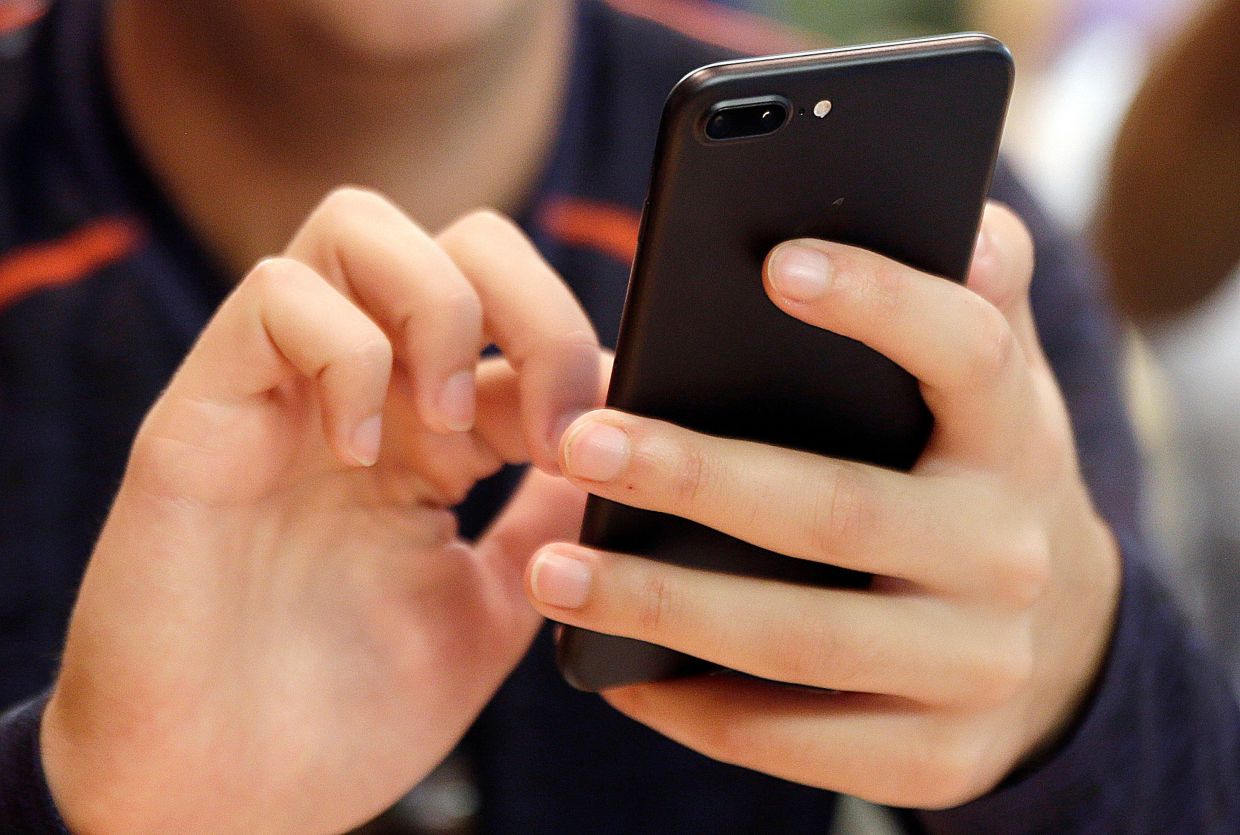
The rise of smartphones has brought an unexpected health crisis quietly into Malaysian homes and offices: a condition commonly known as texting thumb, encompassing everything from joint stiffness and knuckle throbbing to clicking sensations when bending the thumb. Unlike the BlackBerry thumb of the previous decade, today's problem stems from the sheer volume and variety of activities performed on increasingly larger devices. Modern users spend hours each day not just messaging but scrolling through social media feeds, managing financial transactions, consuming entertainment and performing countless other tasks that demand sustained grip and repetitive thumb movements. Without intervention, this relentless cycle of overuse can progress toward debilitating conditions including carpal tunnel syndrome and accelerated arthritis development.
The transformation in how Malaysians interact with technology has fundamentally changed the injury profile. Devices are heavier and bulkier than before, requiring more muscular effort to support for extended periods. The shift from occasional phone calls and text messages to continuous engagement means hands face unprecedented strain throughout the day. Users often unconsciously lock their wrists and elbows in static positions while scrolling, creating concentrated pressure points at the base of the thumb and wrist. The cumulative effect of this sustained tension eventually manifests as the dull aches and soreness that many dismiss as inevitable consequences of modern life.
Dr Maureen O'Shaughnessy, an expert at the University of Kentucky HealthCare Hand Center, emphasises a pragmatic approach to the problem. Rather than suggesting users abandon their devices entirely—an unrealistic expectation in our connected world—she advocates for developing strategies that integrate phones into daily life without sacrificing hand health. This perspective is particularly relevant for Malaysian professionals, students and digital workers who depend heavily on mobile technology for employment and communication. The goal becomes not elimination but adaptation, creating habits and techniques that allow people to maintain their digital lifestyles while protecting their physical wellbeing.
One revealing pattern O'Shaughnessy has observed involves when people notice the discomfort most acutely. Many users become aware of phone-related pain not during their most intensive usage periods but during breaks such as vacations, when the irritation suddenly subsides. This delayed recognition means damage accumulates silently before becoming impossible to ignore. This timeline underscores the importance of preventative measures before pain develops rather than waiting for symptoms to force changes in behaviour.
The simplest intervention remains the most difficult to implement: reducing screen time or introducing regular breaks between usage sessions. Yet for those struggling to adopt such restrictions, alternative strategies can significantly reduce strain. Varying hand positioning by switching between hands for typing, alternating between thumbs and fingers for interaction, and changing body posture throughout the day distributes stress across different muscle groups. These modest adjustments prevent any single tendon or joint from bearing excessive load continuously.
Smartphones themselves offer built-in tools that users frequently overlook. Voice-to-text functionality allows message composition without manual typing, substantially reducing thumb and finger engagement. Increasing text size on displays means users can maintain greater distance from their screens, reducing neck strain and the awkward grip positioning that often accompanies reading small text. These accessibility features, originally designed for users with visual or motor challenges, provide genuine benefits for anyone seeking to minimise hand overuse.
Third-party accessories present another practical solution for Malaysian consumers. Ring-shaped grips and circular grip attachments distribute phone weight more evenly across the entire hand rather than concentrating pressure on the thumb and fingers. These same accessories function as phone stands, enabling users to watch videos and television shows without requiring active hand holding. This transformation from active engagement to passive viewing represents a significant reduction in repetitive stress.
Daily stretching routines provide crucial therapeutic benefits for hands already experiencing strain. Wrist flexion exercises—tilting the palm toward and away from the body while applying gentle pressure with the opposite hand—improve flexibility and reduce tension in the forearms. Individual finger flexing combined with gentle circular motions of the thumbs promotes circulation and maintains the range of motion essential for healthy hand function. For specific base-of-thumb pain, placing the hand flat and pulling the thumb away from other fingers for approximately thirty seconds provides targeted relief to the most vulnerable joint.
Certain conditions demand immediate medical attention rather than home remedies. De Quervain's tenosynovitis, characterised by sharp pain and swelling at the base of the thumb and wrist, represents inflammation of tendons specifically aggravated by phone use patterns. Carpal tunnel syndrome results from nerve compression and can cause progressive numbness and tingling. Trigger thumb manifests as painful catching or locking when bending the affected digit, caused by tendon inflammation. If ice applications and reduced screen time fail to alleviate symptoms within a reasonable timeframe, consultation with a healthcare provider becomes essential to rule out these more serious pathologies.
Dr Eugene Tsai from Cedars-Sinai Orthopaedics and Sports Medicine articulates a fundamental truth often overlooked in our technology-saturated society: human hands simply did not evolve to sustain the demands modern smartphones impose. The extended, repetitive motions required for scrolling, typing and gripping represent activities entirely outside our species' historical experience. Adapting to this technological reality requires conscious effort and deliberate modification of use patterns. The stakes extend beyond momentary discomfort; untreated overuse injuries can progress toward chronic conditions affecting quality of life for years.
For Malaysian users committed to protecting their hand health, the path forward involves balance and intentionality. Occasional breaks to adjust posture, periodic switching of hands and devices, incorporation of stretching routines, and judicious use of both phone features and accessories together form a comprehensive approach. Rather than viewing hand pain as an acceptable cost of modern connectivity, recognising these early warning signs and implementing preventative strategies allows people to maintain their digital engagement while preserving the functional capacity of their hands for decades to come.

