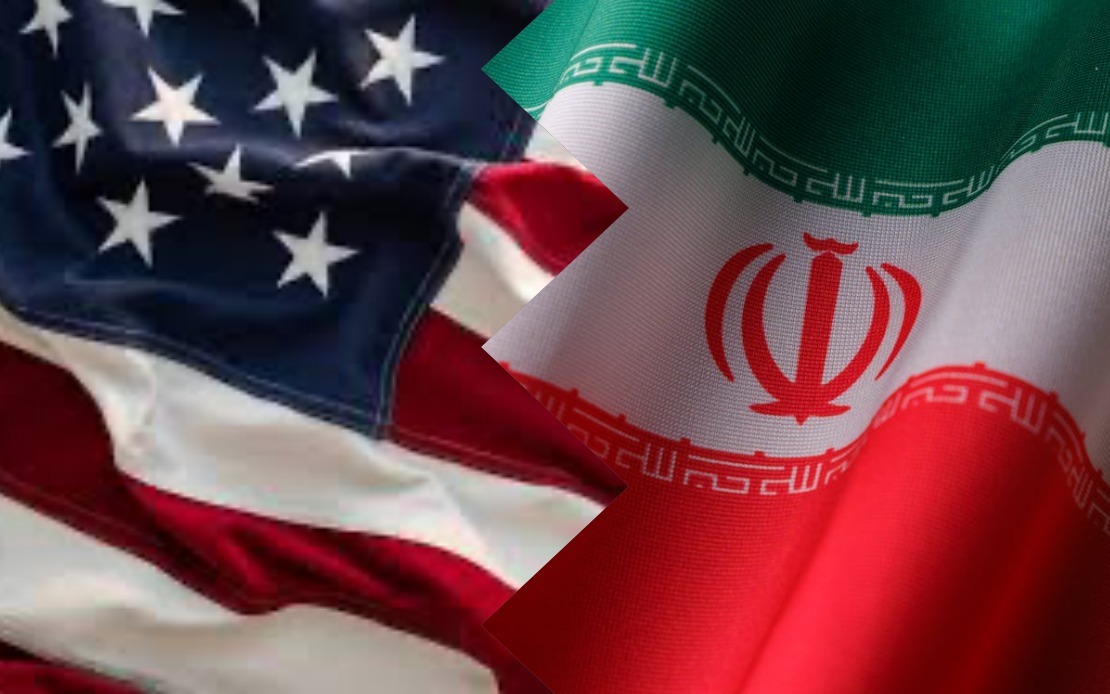
Qatar has launched a diplomatic initiative aimed at mobilising Gulf cooperation to operationalise the US-Iran memorandum of understanding, reflecting growing concern among regional states about the fragility of recent peace efforts in the Middle East. Prime Minister and Foreign Minister Sheikh Mohammed bin Abdulrahman Al Thani conducted a series of consultations with senior officials in the United Arab Emirates, Saudi Arabia, Kuwait, Oman and Bahrain to coordinate on this critical matter, signalling that individual Gulf states view collective engagement as essential to preventing further escalation.
The timing of these calls underscores the precarious state of US-Iran relations following the collapse of the June memorandum just weeks after its signing. What once appeared to be a breakthrough ceasefire agreement, brokered with Pakistan's mediation and formalised in April through a preliminary understanding, has unravelled into renewed military confrontation. This deterioration carries profound implications for Gulf security architecture and the delicate balance of power that smaller regional states like Qatar have long sought to maintain through strategic neutrality and mediation.
Qatar's diplomatic outreach centred on translating the memorandum's provisions into practical implementation mechanisms, with particular emphasis on the preservation of freedom of navigation through the Strait of Hormuz. This waterway remains one of the world's most critical maritime chokepoints, with roughly one-fifth of global oil transit passing through its waters. Any disruption to shipping in this corridor would reverberate through global energy markets and Southeast Asian economies dependent on stable energy supplies, making Gulf stability a matter of direct concern to Malaysian interests and the broader region.
Al Thani's conversations stressed the imperative of maintaining commitment to dialogue and diplomatic channels despite the recent military exchanges. The Foreign Minister positioned Qatar as a champion of sustained engagement, advocating for all parties to resist the temptation to abandon negotiated settlements when immediate implementation faces obstacles. This stance reflects Qatar's historical role as an interlocutor between regional powers and its understanding that even imperfect agreements provide better foundations for eventual peace than cycles of military retaliation.
The broader context of these calls relates to the escalating cycle of regional violence that has characterised Middle Eastern geopolitics since February, when the US and Israel initiated military operations against Iran. These actions triggered Tehran's retaliatory strikes across multiple countries in the region, establishing a dangerous pattern of action and counter-action. The April ceasefire represented an attempt to arrest this spiral, yet its rapid collapse demonstrates the fragility of agreements lacking robust mechanisms for verification and grievance resolution.
Qatar's emphasis on the need for comprehensive security arrangements reflects recognition that purely military measures or unilateral actions have consistently failed to produce durable peace in the Gulf region. By convening discussions with fellow Gulf Cooperation Council members, Qatar sought to create political space for sustained engagement and to signal that smaller Gulf states remain committed to diplomatic solutions even as major powers demonstrate ambivalence toward negotiated settlements.
The vulnerability of states like Qatar to broader US-Iran competition creates powerful incentives for proactive diplomacy. Qatar has historically balanced relations between Washington and Tehran through careful neutrality and its established role as a respected mediator. Recent geopolitical developments threaten this position, as regional states increasingly face pressure to align with one power or the other. Qatar's current initiative attempts to carve out an independent space for Gulf states to advance their own security interests through coordinated action rather than dependence on external guarantors.
The memorandum's provisions addressing maritime security hold particular importance given regional reliance on international trade. Southeast Asian countries including Malaysia depend on uninterrupted shipping through the Strait of Hormuz, making Gulf instability a direct threat to regional prosperity. Any successful implementation of the agreement would benefit not only Gulf states but the wider international community with stakes in stable energy supplies and open maritime routes.
Qatar's diplomatic contacts also reinforce the understanding among Gulf capitals that unilateral approaches have consistently yielded poor outcomes. The history of Gulf security reveals that when individual states attempt to manage external threats through independent security arrangements, they often inadvertently trigger action-reaction cycles that destabilise the entire region. Collective commitment to the memorandum's terms offers a pathway toward breaking these patterns, though success requires sustained political will from the US, Iran, and their respective allies.
The challenge facing Qatar and other Gulf mediators lies in translating diplomatic recognition of the memorandum's value into mechanisms that address underlying security concerns for both the US and Iran. Neither party has fully relinquished its fundamental objectives regarding regional influence, military capabilities, or political legitimacy. The June agreement's rapid collapse suggests that paper commitments alone cannot bridge these deep structural differences without genuine shifts in threat perception and strategic calculation.
For Southeast Asian observers, Qatar's coordinated diplomatic initiative offers instructive lessons about the importance of multilateral engagement in managing regional conflicts. The approach emphasises sustained dialogue even when immediate progress appears stalled and recognises that sometimes preventing escalation matters as much as achieving comprehensive settlements. These principles increasingly resonate in Southeast Asian contexts, where multiple powers pursue competing interests and smaller states seek to protect themselves through strategic autonomy and coordinated action rather than rigid alliance structures.

