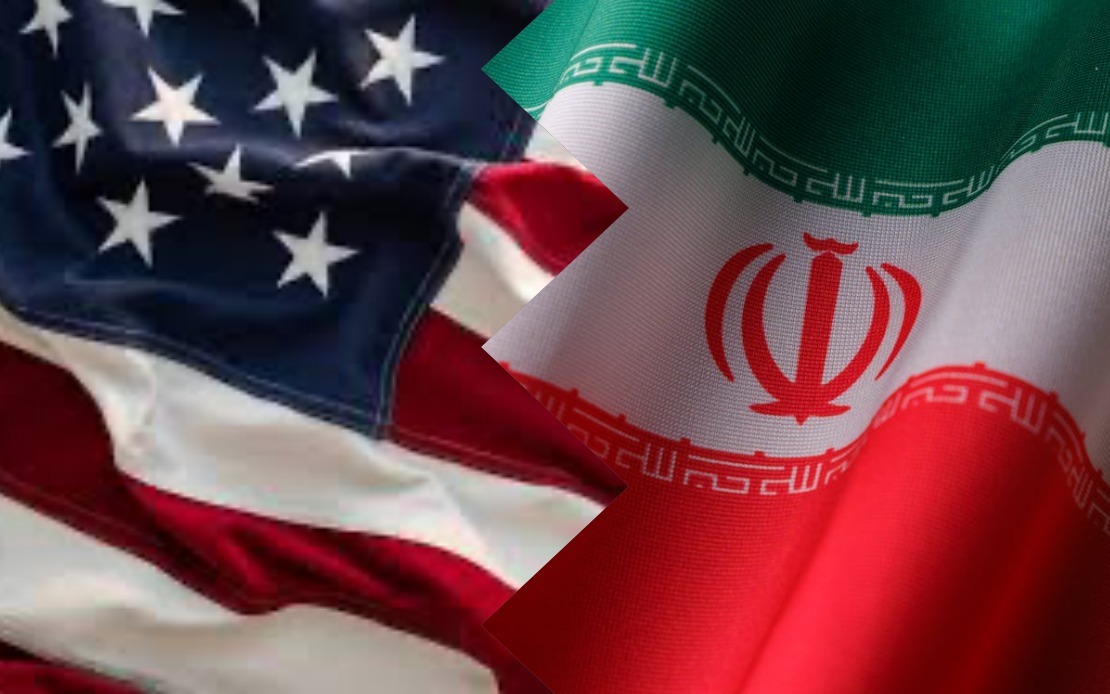
Qatar's Foreign Ministry revealed on Wednesday that indirect negotiations between United States and Iranian representatives in Doha have produced what officials characterize as meaningful headway on substantive matters outlined in a recent memorandum of understanding. The diplomatic development, confirmed through a statement from Foreign Ministry spokesman Majed Al Ansari, signals continued momentum in international efforts to manage tensions between Washington and Tehran through quiet, behind-the-scenes diplomacy.
The mediation process involved Qatar and Pakistan working with separate delegations from each side, reflecting a careful diplomatic approach designed to maintain momentum without forcing direct confrontation. This two-mediator framework underscores the delicate nature of US-Iran relations and the necessity of experienced intermediaries to facilitate progress when bilateral talks remain politically fraught. The structure allows both nations to advance their positions while preserving diplomatic flexibility and avoiding public posturing that could derail negotiations.
According to Al Ansari's statement, the discussions focused specifically on implementing commitments emerging from the Islamabad Memorandum of Understanding, which represents a previous step forward in managing bilateral disputes. This suggests the negotiating track involves not merely addressing immediate crises but also operationalizing longer-term diplomatic frameworks. The reference to building on outcomes from the Lake Lucerne Summit indicates these talks are part of a broader diplomatic architecture involving multiple countries and forums attempting to stabilize the US-Iran relationship.
The timing of these negotiations carries particular significance given regional circumstances. The discussions concluded just as funeral arrangements were being finalized for former Iranian Supreme Leader Ali Khamenei, who was killed in a strike attributed to United States and Israeli forces on February 28. The Iranian leadership's decision to continue diplomatic engagement while observing official mourning procedures reflects an institutional commitment to dialogue that transcends individual personalities and political moments. This suggests Iran's negotiating team operates within parameters that prioritize long-term strategic interests over short-term emotional responses to military operations.
Both delegations have committed to maintaining the dialogue process, with planners already preparing schedules for the next round of indirect talks. Al Ansari indicated that the subsequent meeting would be arranged at the earliest feasible opportunity following the conclusion of Khamenei's funeral ceremonies scheduled for Friday. This continuity in scheduling demonstrates mutual recognition that pausing negotiations during a significant political transition could allow misunderstandings to accumulate and positions to harden unnecessarily.
For Southeast Asian observers and policymakers, these developments carry implications extending beyond the immediate US-Iran dyad. Malaysia and other regional nations maintain significant commercial and strategic interests in preserving stability across the Middle East, where any escalation between Washington and Tehran risks disrupting global energy markets, maritime security, and investment flows. The successful continuation of indirect talks suggests international diplomatic mechanisms still function even amid profound geopolitical tensions, offering potential models for managing other regional disputes.
The involvement of Pakistan as a co-mediator alongside Qatar reflects Islamabad's historical role as a bridge between the Islamic world and Western powers, while Qatar's central position in Middle Eastern diplomacy continues to position the emirate as an indispensable venue for sensitive negotiations. Neither mediator has traditional adversarial relationships with either the United States or Iran, enabling them to maintain credibility with both sides while shuttling proposals and counter-proposals.
The specific focus on implementing memorandum provisions suggests negotiators are addressing practical details rather than fundamental repositioning of national interests. This granular approach to diplomacy—working through technical implementation rather than attempting comprehensive settlements—often represents the most durable path to sustained progress. By concentrating on concrete deliverables and verifiable commitments, both sides can demonstrate good faith to domestic audiences while maintaining core strategic positions.
The characterization of discussions as producing "positive progress" rather than breakthrough agreements reflects measured diplomatic language that avoids overstating accomplishments or raising expectations that might prove impossible to fulfill. This rhetorical restraint suggests negotiators understand that premature claims of success could invite domestic political opposition or create pressure to accelerate timelines beyond what practical constraints allow. Instead, the framing emphasizes incremental forward movement, a narrative more consistent with the patience required for complex international diplomacy involving nations with decades of accumulated grievances.
From a regional perspective, the continuation of US-Iran dialogue through Qatari mediation demonstrates that even severely fractured relationships retain avenues for communication when circumstances demand pragmatism from all parties. For Malaysia and other nations maintaining ties across the US-aligned and Iran-sympathetic camps, these diplomatic channels suggest possibilities for managing differences without forcing binary choices. The successful navigation of such conversations, particularly during sensitive moments like leadership transitions or military operations, underscores how persistent diplomacy can gradually shift adversarial dynamics toward more sustainable arrangements, however modest the immediate progress might appear.

