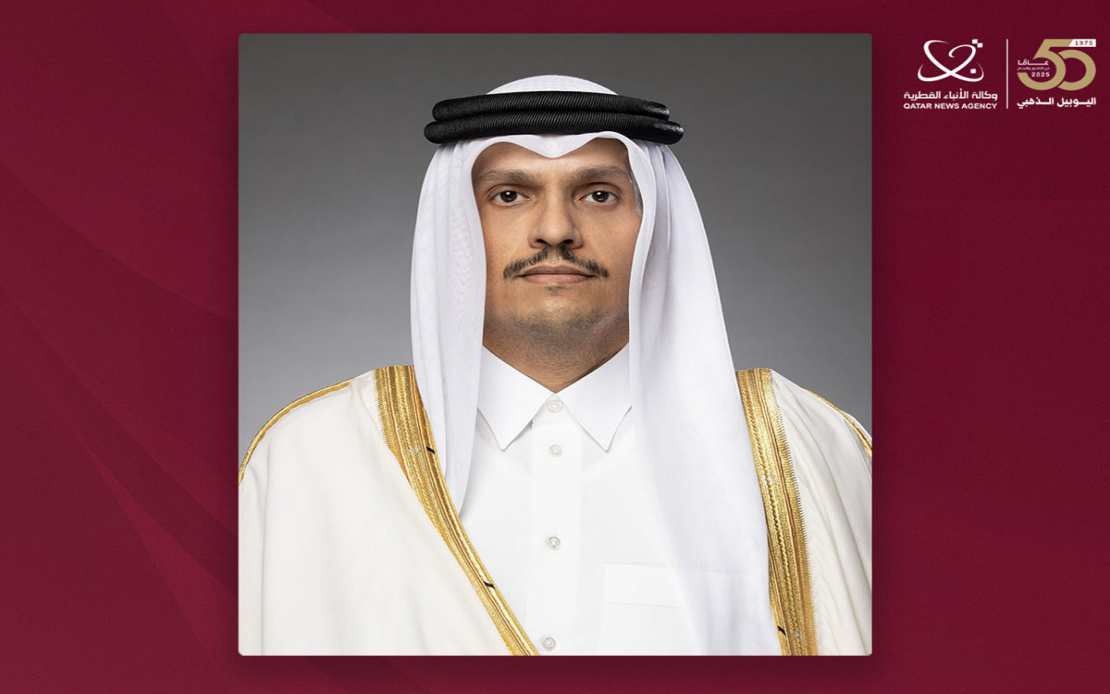
Qatar's Prime Minister and Foreign Minister Sheikh Mohammed bin Abdulrahman bin Jassim Al Thani is travelling to Tehran for high-level discussions aimed at defusing escalating tensions between Washington and Iran, according to the Qatari Foreign Ministry. The diplomatic mission, announced on Thursday, represents a significant mediation effort as regional military confrontation threatens to destabilise one of the world's most strategically vital waterways. Qatar's Foreign Ministry spokesman Majed Al Ansari confirmed the premier would meet with Iranian officials to explore pathways toward de-escalation and establish conditions that enable meaningful dialogue between the antagonistic parties.
This marks Sheikh Mohammed's first journey to Iran's capital since February when the current cycle of military escalation began. The timing underscores the urgency with which regional actors view the deteriorating security situation, with several rounds of direct strikes having transpired between the two powers in recent months. Qatar has positioned itself as a neutral intermediary, leveraging its diplomatic relationships with both Washington and Tehran to prevent further military exchanges that could destabilise the broader Middle East.
The core focus of discussions will centre on the Strait of Hormuz, one of the world's most economically critical maritime passages through which roughly one-third of global seaborne oil trade flows. Both nations have clashed over navigation freedoms and shipping security in these waters, with each accusing the other of threatening commercial traffic. The Qatari delegation aims to restore the waterway to conditions that existed before late February, when the current tensions erupted into open military conflict between US and Iranian forces.
For Malaysia and other Southeast Asian nations heavily dependent on Middle Eastern energy supplies and reliant on unimpeded passage through the Strait of Hormuz for trade routes to Europe and Africa, any prolonged disruption carries profound economic consequences. The strait's security directly affects regional shipping costs, insurance premiums, and energy prices that flow through Asian markets. Malaysia's substantial petrochemical industry and trading economy make it acutely vulnerable to supply chain disruptions stemming from escalating geopolitical tensions in the region.
The diplomatic initiative builds upon previous mediation work undertaken by Qatar and Pakistan, which facilitated a memorandum of understanding signed between the US and Iran in June. However, implementation of that agreement has stalled significantly, with fundamental disagreements regarding the Strait of Hormuz's status and navigation protocols remaining unresolved. The June accord represented a fragile attempt to create breathing room between the adversaries, yet without progress on core maritime issues, the framework has provided limited practical relief.
Recent military developments have intensified concerns about further escalation. The United States resumed military operations targeting Iran last month, prompting Iranian retaliation against American military installations located in allied Arab nations. This cycle of action and response has created a dangerous pattern where each strike invites counterstrike, narrowing the space for diplomatic resolution. The escalatory dynamic threatens to overwhelm mediation efforts unless substantive progress emerges quickly from behind-the-scenes negotiations.
Qatar's positioning as mediator reflects both its geographic location in the Persian Gulf and its historically pragmatic foreign policy approach. The emirate maintains working relationships across regional divides and has experience facilitating negotiations between parties with deeply opposed interests. As host of major international sporting events and a growing hub for international diplomacy, Qatar has invested considerable effort in its role as an honest broker in Middle Eastern disputes. This latest initiative demonstrates its commitment to that strategy, even as risks of failure remain considerable.
The discussions in Tehran will likely address not only the immediate maritime security questions but also broader confidence-building measures that could reduce miscalculation risks. Military escalation often stems from misunderstanding or accident rather than deliberate strategic choice, and establishing communication channels and agreed-upon protocols can prevent isolated incidents from triggering wider conflict. Qatar may attempt to broker arrangements for joint maritime monitoring or agreed-upon notification procedures that reduce the likelihood of unintended confrontation.
For the international community, including Southeast Asian nations with substantial interests in regional stability, Qatar's mediation represents perhaps the most promising avenue for preventing further deterioration. Multilateral forums have proven inadequate for addressing the US-Iran dispute, leaving bilateral mediation through trusted third parties as the primary mechanism for de-escalation. The success or failure of Sheikh Mohammed's Tehran visit will likely determine whether the current tense equilibrium can hold or whether the region faces another cycle of military strikes and counter-strikes that risks drawing in additional actors and destabilising global energy markets and maritime commerce.

