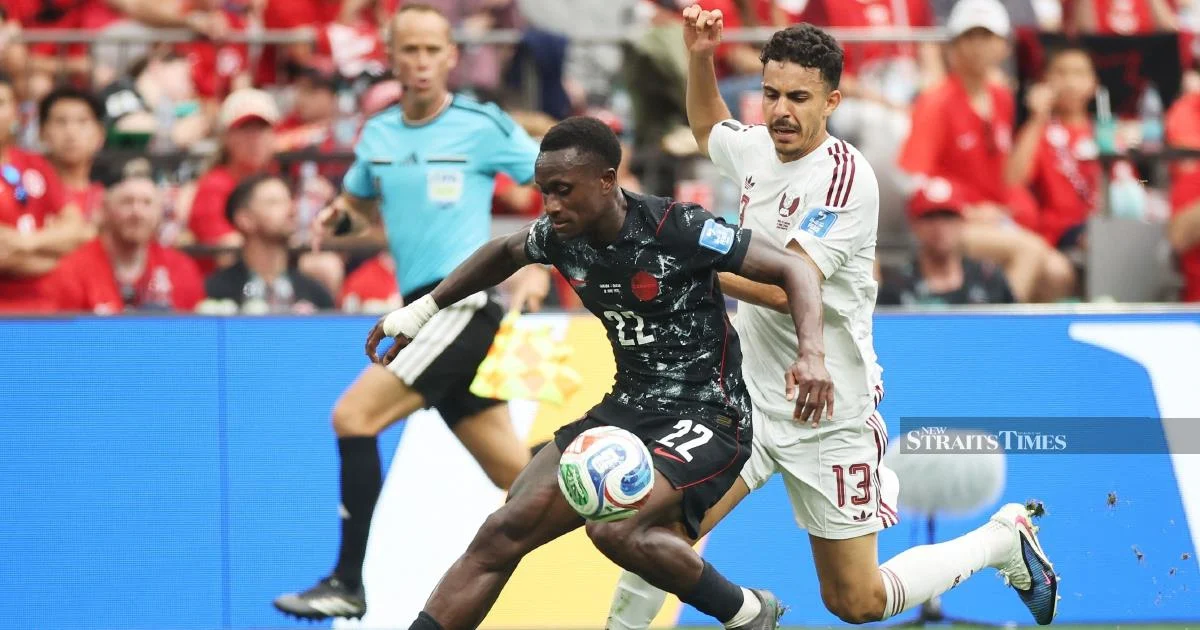
Qatar's comprehensive 6-0 defeat at the hands of Canada during the World Cup tournament has reignited discussion about the fundamental limitations of spending vast sums without a coherent long-term strategy for building football capability. The lopsided scoreline represents one of the most significant embarrassments in the country's sporting history, forcing observers to reassess assumptions about the relationship between financial resources and competitive performance in modern football.
Football analysts point out that Qatar's situation illustrates a critical gap between monetary investment and structural development. Whilst the nation has spent billions of dollars on infrastructure, player recruitment, and tournament preparation, the underlying ecosystem required to develop domestic talent and create a sustainable competitive advantage appears underdeveloped. The scale of spending has been extraordinary, yet the return on investment measured in on-field results remains disappointing, particularly when facing established football nations with deeper traditions and more developed youth systems.
The defeat underscores how World Cup qualification alone does not equate to readiness for tournament competition. Many observers had questioned whether Qatar deserved its automatic participation as host nation, and the performance against Canada provided uncomfortable validation of those concerns. The gap between competing in a tournament and performing competitively within it proved wider than anticipated, suggesting that administrative status cannot substitute for technical preparation and player development.
Exports in regional football development highlight the importance of generational planning and grassroots investment that extends far beyond signing accomplished foreign players. Whilst recruitment can provide immediate quality, sustained success requires building academies, establishing talent pipelines, and creating competitive domestic leagues that prepare players for international challenges. Qatar's approach appears to have prioritised short-term assembly of talent over long-term systemic development, a distinction that proved costly against a well-coordinated Canadian side.
The Canadian victory itself deserves recognition, as the North American nation demonstrated superior tactical organisation, physical conditioning, and game management. Rather than simply being a beneficiary of Qatar's limitations, Canada showcased what dedicated preparation and cohesive team structure can achieve. The performance also serves as a reminder that World Cup tournaments continue to reward nations with established football cultures and player development infrastructure.
For Malaysian football observers, Qatar's situation offers instructive lessons about development strategy. Southeast Asia's footballing ambitions must be built on sustainable foundations rather than assuming that financial resources alone can accelerate improvement. The region's football associations would be wise to study both Qatar's missteps and Canada's success as case studies in how different approaches yield dramatically different outcomes on the world stage.
Qatar's hosting of the World Cup represented an unprecedented investment in football infrastructure, with state-of-the-art stadiums and facilities that met international standards. Yet the tournament demonstrated that venues and logistics represent only one dimension of hosting responsibilities. The nation's inability to field a competitive team suggested that decades of development work compressed into a short timeframe cannot replicate the benefits of organic, sustained football culture building.
The broader implications extend beyond Qatar to other wealthy nations seeking to rapidly elevate their football status. The result challenges the notion that financial muscle can overcome fundamental structural deficits. Players imported regardless of their connection to the national team's playing style, tactical philosophy, or long-term development plan may provide temporary competitiveness but cannot forge the understanding and chemistry that characterise successful teams.
Looking forward, Qatar faces difficult questions about its football development trajectory. The nation must decide whether to continue pursuing elite performance through expensive acquisitions or to pivot toward building indigenous talent through expanded youth programmes, domestic league strengthening, and comprehensive infrastructure that engages the local population in football participation. The Canadian example suggests that sustained investment in systematic development yields more reliable returns than episodic, finance-dependent recruitment.
For Southeast Asian nations with growing football ambitions, the lesson remains clear: money provides necessary resources but cannot replace time, planning, cultural integration, and the patient development of homegrown talent. Successful football nations invest substantially but do so strategically, aligning spending with coherent long-term objectives. Qatar's World Cup experience serves as a cautionary tale about assuming that financial power alone can compress the timeline required to build genuine footballing competence.
%22%2F%3E%3C%2Fpattern%3E%3C%2Fdefs%3E%3Crect%20width%3D%22100%25%22%20height%3D%22100%25%22%20fill%3D%22url(%23phb2gtg)%22%2F%3E%3Crect%20width%3D%22100%25%22%20height%3D%22100%25%22%20fill%3D%22url(%23phb2gtp)%22%2F%3E%3Ctext%20x%3D%2250%25%22%20y%3D%2250%25%22%20text-anchor%3D%22middle%22%20dominant-baseline%3D%22central%22%20fill%3D%22rgba(255%2C255%2C255%2C0.95)%22%20font-family%3D%22Georgia%2C%20'Times%20New%20Roman'%2C%20serif%22%20font-weight%3D%22700%22%20font-size%3D%22272%22%20letter-spacing%3D%22-0.02em%22%3EPerak%3C%2Ftext%3E%3C%2Fsvg%3E)