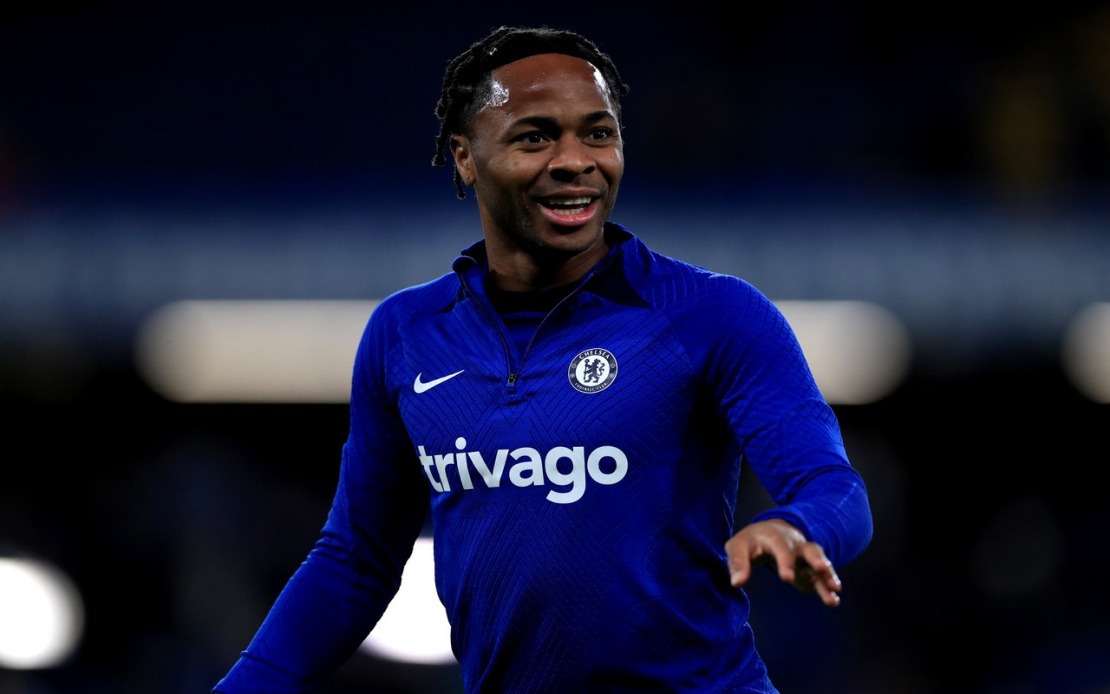
Raheem Sterling, the decorated former England international, faces serious criminal charges stemming from a motorway collision that occurred in late May. Hampshire and Isle of Wight Constabulary has charged the 31-year-old footballer with dangerous driving, possession of nitrous oxide intended for wrongful inhalation, and failing to provide a specimen following the incident on the M3 southbound near Minley interchange on May 28. The case represents a significant development in the personal circumstances of one of English football's most accomplished recent players and adds another chapter to Sterling's complex relationship with the spotlight beyond the pitch.
The collision involved a single Lamborghini and resulted in no injuries, according to police statements. The involvement of a luxury sports vehicle underscores Sterling's considerable financial success throughout his professional career, though it also highlights the heightened scrutiny that accompanies high-profile athletes who find themselves in legal difficulties. No other vehicles were involved in the crash, suggesting the incident was isolated rather than part of a broader traffic incident. Sterling, who resides in Berkshire, is scheduled to appear at Basingstoke Magistrates' Court on September 15 for his initial hearing, where the precise nature of the charges will be formally presented before the judiciary.
The allegation of possessing nitrous oxide—commonly known as "laughing gas"—adds a substance-related dimension to the charges that extends beyond the dangerous driving accusations. In recent years, nitrous oxide has become a matter of public health and legal concern in the United Kingdom, with authorities increasingly focusing on its misuse among various demographics. The charge of failing to provide a specimen typically relates to breathalyser or drug-testing procedures conducted at the scene or subsequently, which could carry significant implications for the driving-related allegations.
Sterling's football career has been characterised by remarkable achievement at the highest levels of international and club competition. The 31-year-old earned 82 caps for England, during which he scored 20 goals and contributed to memorable tournaments including the 2018 World Cup campaign that saw Gareth Southgate's squad reach the semi-finals. More recently, Sterling was integral to England's Euro 2020 campaign, which culminated in the team reaching the final—a landmark achievement for English football after decades of near-misses.
His club career trajectory reflects both his considerable talent and the sometimes turbulent nature of modern professional football. Sterling began his senior journey at Liverpool following his progression through the Queens Park Rangers academy system. His subsequent move to Manchester City in 2015 proved transformative, yielding four Premier League titles, five League Cup victories, and an FA Cup triumph in 2019. These achievements established him as one of the most successful English footballers of his generation and secured his financial position substantially.
However, Sterling's tenure at Chelsea, which began in 2022, has proven less rewarding. After losing favour at Stamford Bridge, he was loaned to Arsenal for the 2024-25 season, and subsequently secured a short-term arrangement with Dutch Eredivisie club Feyenoord to complete the campaign. These moves suggest a career in transition, with Sterling seeking to reignite the form that made him such a dominant force during his Manchester City years. The timing of the motorway charges coincides with this period of professional uncertainty.
Beyond his playing achievements, Sterling has cultivated a significant reputation as an advocate for social justice and racial equality in sport. His recognition in the 2021 Queen's Birthday Honours, where he received an MBE for services to racial equality, acknowledged years of vocal campaigning against racism and discrimination. Sterling positioned himself at the forefront of player activism during the Black Lives Matter movement, including supporting teammates who took the knee during matches—a gesture that, ironically, became the subject of significant controversy when sections of England supporters booed the gesture at various fixtures.
This advocacy work established Sterling as a public figure whose influence extended well beyond football statistics and match performances. His willingness to speak forthrightly on contentious social issues earned him respect in progressive circles but also subjected him to intense scrutiny from various quarters. The intersection between his public persona as a social justice advocate and his current legal difficulties creates a complex narrative that will inevitably attract substantial public and media attention.
For Malaysian and Southeast Asian readers, Sterling's prominence in English football means his case carries wider resonance within the region's substantial football-following population. The incident raises broader questions about the conduct and responsibilities of professional athletes in the modern era, particularly those who leverage their platforms for social commentary. The charges and upcoming legal proceedings will unfold in full public view, with potential consequences for both his football career and his broader public standing.
The September 15 court date marks the beginning of a legal process that could substantially reshape Sterling's personal and professional trajectory. The outcome will carry implications not merely for his immediate footballing future but for his long-term marketability and influence. For fans across Southeast Asia who have followed Sterling's career—whether through Manchester City's global reach, England's international fixtures, or his well-publicised social justice activities—the case represents an unexpected and sobering development that complicates the narratives they have constructed around one of English football's most distinctive contemporary figures.

