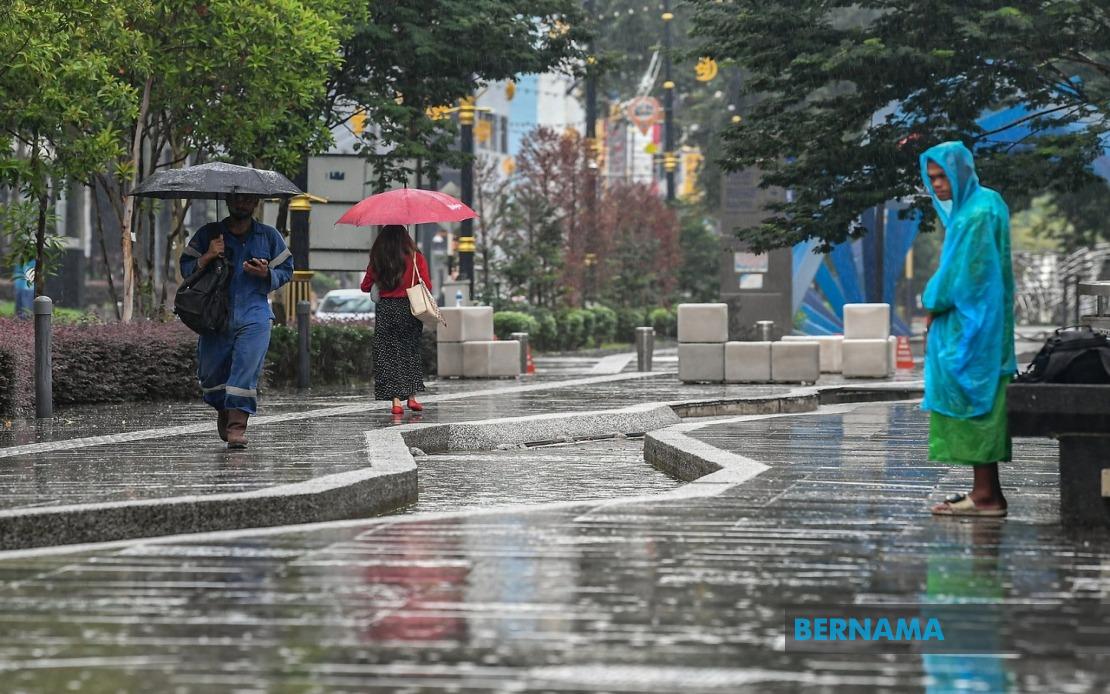
The Malaysian Meteorological Department has issued a weather advisory for Johor's state election nomination day, predicting rainfall that could complicate proceedings across most of the state. Johor director Azlai Ta'at cautioned that precipitation will likely affect Johor Bahru, Muar, Batu Pahat, Kota Tinggi, Pontian, Tangkak and Kulai during morning hours, presenting what he diplomatically termed a "slight challenge" for the nomination process scheduled to commence in the morning. Only three districts—Segamat, Kluang and Mersing—are expected to experience clear skies during the morning hours, offering respite from the widespread moisture expected to blanket much of the peninsula's southernmost state.
Temperature conditions across Johor will remain typical for late June, with overnight lows hovering between 24 and 25 degrees Celsius and daytime highs reaching between 31 and 34 degrees Celsius. Segamat is anticipated to record the highest temperature at 34 degrees Celsius, creating a combination of heat and humidity that will compound the discomfort created by the forecasted precipitation. The meteorological department has urged the public, including the families and supporters of prospective candidates, to remain vigilant regarding sudden shifts in atmospheric conditions, a precaution particularly relevant given that afternoon weather patterns are expected to intensify.
The afternoon outlook paints an even more challenging picture for campaigning activities that will formally commence once nominations conclude. Thunderstorms are expected to develop across Johor Bahru, Segamat, Kluang, Kota Tinggi, Pontian, Mersing and Kulai, while Batu Pahat and Tangkak face continued rainfall. Muar represents the exception, with forecasters predicting hot conditions without significant precipitation—a outcome that will likely see concentrated crowd movements to that particular district's nomination centres. These thunderstorm warnings carry particular significance because the afternoon period marks the transition into the official campaigning season, meaning candidates and their respective machinery will be actively mobilising supporters across the state precisely when weather conditions are expected to deteriorate.
The nomination process itself remains a swift affair, compressed into a single hour from 9 am to 10 am across 56 nomination centres distributed throughout the state's 56 state assembly constituencies. Following the conclusion of nominations, returning officers will make official announcements of all eligible candidates who have successfully submitted their papers and met all procedural requirements. This compressed timeline means that weather disruptions during the morning period could significantly impede candidate registration and supporter attendance, potentially affecting the ceremonial aspects of the nomination process and creating logistical headaches for both the Election Commission and party machinery.
The political landscape for this 16th Johor state election reveals considerable fragmentation and competition, with Pakatan Harapan mounting a comprehensive challenge across all 56 seats through its constituent parties. The opposition coalition has allocated 20 seats to PKR, 19 to Amanah and 17 to DAP, representing a substantially coordinated strategy to challenge incumbent governance. Barisan Nasional, the traditional ruling coalition in Johor, is contesting the same total of 56 seats but distributing them differently: 36 UMNO candidates carry the primary burden of defending the coalition's traditional stronghold, while 16 MCA and four MIC candidates represent the coalition's multiethnic component parties.
Perikatan Nasional's participation introduces additional complexity to an already crowded contest, with the coalition's various components pursuing divergent strategies. PAS will contest 11 seats, Bersatu 16, the Malaysian Indian People's Party five and Pejuang one, reflecting the coalition's attempt to provide alternative opposition to Pakatan Harapan while also challenging Barisan Nasional's dominance. The Malaysian United Democratic Alliance plans to contest four seats and Parti Sosialis Malaysia one, further fragmenting the opposition vote. Parti Bersama Malaysia's inaugural participation with 15 candidates demonstrates how state elections continue to attract new entrants seeking to establish political footholds.
The Electoral Commission has structured the election timeline to allow for two distinct voting phases, with early voting scheduled for July 7 to accommodate military personnel, police and other approved voters unable to participate on polling day. The main election day itself falls on July 11, providing a window of four days between early voting and general polling. This timeline means the nomination weather challenges are merely the opening act in what will be a protracted political drama extending across more than two weeks of intensive campaigning and organisational activity.
The electorate participating in this contest is substantial and diverse, comprising 2,727,926 registered voters across Johor. Of this total, 2,703,175 are ordinary civilian voters, while the remainder comprises military personnel and their spouses alongside police personnel and their spouses. The scale of this electorate—nearly 2.7 million voters—underscores the significance of Johor state elections within Malaysia's broader political context, as the state's electoral weight makes it a crucial battleground where national political trends often manifest first and with particular intensity.
For Malaysian observers and political analysts, the weather forecast's relatively minor operational impact masks deeper strategic considerations now consuming all participating coalitions and parties. The concentration of nominations into a single morning hour, combined with afternoon thunderstorms, will create memorable images and potentially shape initial campaign narratives. How candidates and their organisations navigate wet conditions and demonstrate preparedness and determination will feature prominently in early media coverage and social media discourse, contributing to the initial impressions voters form as the formal campaigning period begins in earnest.

