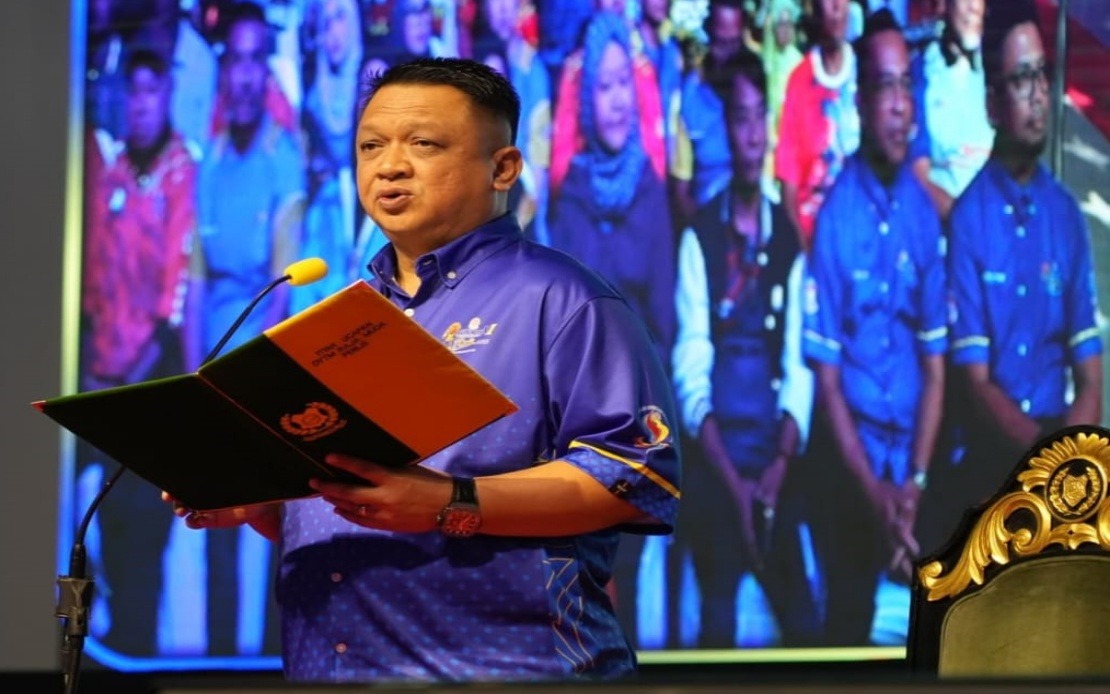
During the opening ceremony of the 11th Sukan MARA Se-Malaysia (SUKMAS) at Dewan 2020 in Kangar on August 30, Tuanku Syed Faizuddin Putra Jamalullail outlined a comprehensive strategic vision designed to navigate Majlis Amanah Rakyat (MARA) through an era of rapid technological and economic change. The three pillars he presented represent a deliberate shift towards positioning MARA not as a reactive institution adapting to external forces, but as an active shaper of Malaysia's institutional and entrepreneurial future.
The first strategic thrust emphasizes technological innovation, particularly the integration of artificial intelligence across MARA's operations. Rather than simply keeping pace with digital transformation, His Royal Highness called upon MARA personnel to pioneer the deployment of AI technologies to boost organisational efficiency, enhance creative problem-solving, and strengthen the agency's capacity to respond to emerging challenges. This positioning reflects growing recognition within Malaysia's leadership circles that adopting advanced technologies is no longer optional for government-linked entities seeking to maintain relevance and effectiveness in the 21st century economy.
For Malaysia's development agenda, this directive holds particular significance. As a middle-income country aspiring to achieve high-income status, Malaysia's institutional capacity to harness emerging technologies will substantially influence its competitiveness. MARA, which has historically played a central role in developing Bumiputera entrepreneurs and small-medium enterprises, must evolve its operational model to support beneficiaries navigating an increasingly digitised business environment. The emphasis on AI-driven efficiency gains also carries implications for how MARA structures its training, mentorship, and financial support programmes for entrepreneurs.
The entrepreneurship agenda constitutes the second pillar and addresses a persistent challenge in Malaysia's economic development. The Raja Muda stressed the need to cultivate entrepreneurs who possess both innovation and international ambition—individuals capable of establishing ventures that compete on the global stage rather than remaining confined to domestic markets. This represents an evolution in thinking about entrepreneurial development, moving beyond the traditional model of supporting small traders towards fostering scalable, export-oriented businesses with genuine competitive advantages.
This focus resonates deeply with Malaysia's current economic policy priorities. The country has invested substantially in innovation ecosystems and technology parks, yet barriers persist in converting domestic entrepreneurial ventures into globally competitive enterprises. MARA's emphasis on producing resilient entrepreneurs capable of navigating international markets aligns with broader national efforts to diversify the economy beyond commodity dependence and established service sectors. For Malaysian entrepreneurs, particularly those within the Bumiputera community, such strategic guidance from MARA could translate into enhanced access to mentorship networks, market intelligence, and strategic partnerships necessary for international expansion.
The third strategic thrust addresses leadership development and institutional culture. His Royal Highness called for MARA to nurture leaders characterised by decisiveness, strategic acumen, and proactive thinking—individuals who catalyse transformation rather than merely responding to it. This emphasis on producing leaders who drive change rather than following it signals recognition that institutional effectiveness ultimately depends on the quality of decision-making at all levels, from senior management to field officers.
For Southeast Asian observers, this articulation of leadership philosophy offers insight into how Malaysia's institutional leadership conceptualises the region's development challenges. The stress on strategic thinking and decisive action suggests a belief that the competitive pressures facing developing economies demand nimble institutions capable of rapid course-correction and innovation. This becomes particularly relevant as ASEAN nations grapple with accelerating technological change and intensifying regional competition for foreign investment and talent.
The ceremony itself—the 11th edition of SUKMAS—served as the backdrop for these strategic pronouncements, and the choice of venue carries significance. The biennial sporting tournament, bringing together 3,000 athletes and officials from MARA teams across 14 states, represents far more than a recreational event. As the Raja Muda articulated, SUKMAS functions as a unifying mechanism within MARA's organisational culture, transcending the regional, departmental, and hierarchical divisions that can fragment large bureaucratic agencies. In this sense, the tournament embodies the cultural prerequisites for implementing the three strategic thrusts—shared identity, institutional cohesion, and demonstrated commitment to collective excellence.
The 11th SUKMAS, running from August 30 through September 3, featured 15 sporting disciplines including football, netball, volleyball, sepak takraw, and tennis. The presence of Raja Puan Muda of Perlis Tuanku Dr Hajah Lailatul Shahreen Akashah Khalil and MARA director-general Datuk Seri Zulfikri Osman underscored the high-level institutional commitment to the event. Zulfikri's remarks to reporters emphasised SUKMAS's additional value as a community engagement platform, noting that the tournament provided opportunities for MARA personnel to strengthen connections with Perlis residents and broaden the agency's visible presence within the state.
For Malaysian policymakers and development practitioners, the Raja Muda's strategic pronouncements address persistent questions about how government-linked institutions should evolve in response to technological disruption and globalisation. The emphasis on AI adoption, international entrepreneurship, and transformative leadership suggests a modernisation agenda that seeks to preserve MARA's institutional mission—supporting Bumiputera economic advancement—while fundamentally recalibrating the methods and ambitions underpinning that mission.
The implementation of these three thrusts will require substantial institutional adjustments. Training curricula will need redesign to incorporate AI literacy and international business competencies. Recruitment and promotion systems must prioritise candidates demonstrating strategic thinking and adaptive capacity. Partnership frameworks with universities, technology firms, and international business networks will likely need expansion to support entrepreneurs pursuing cross-border opportunities. These practical considerations will test whether the strategic vision articulated at SUKMAS translates into sustained organisational transformation or remains aspirational rhetoric.
Looking ahead, the success of this strategic reorientation will depend significantly on resource allocation, leadership commitment at all institutional levels, and the willingness of MARA's extensive personnel cadre to embrace new operational paradigms. The emphasis on AI and international entrepreneurship reflects a realistic assessment of Malaysia's competitive position within Southeast Asia and global markets. Whether MARA can effectively translate these principles into tangible outcomes for its beneficiaries—the entrepreneurs and professionals it serves—will substantially influence the agency's continued relevance and contribution to Malaysia's development objectives in the coming decade.

