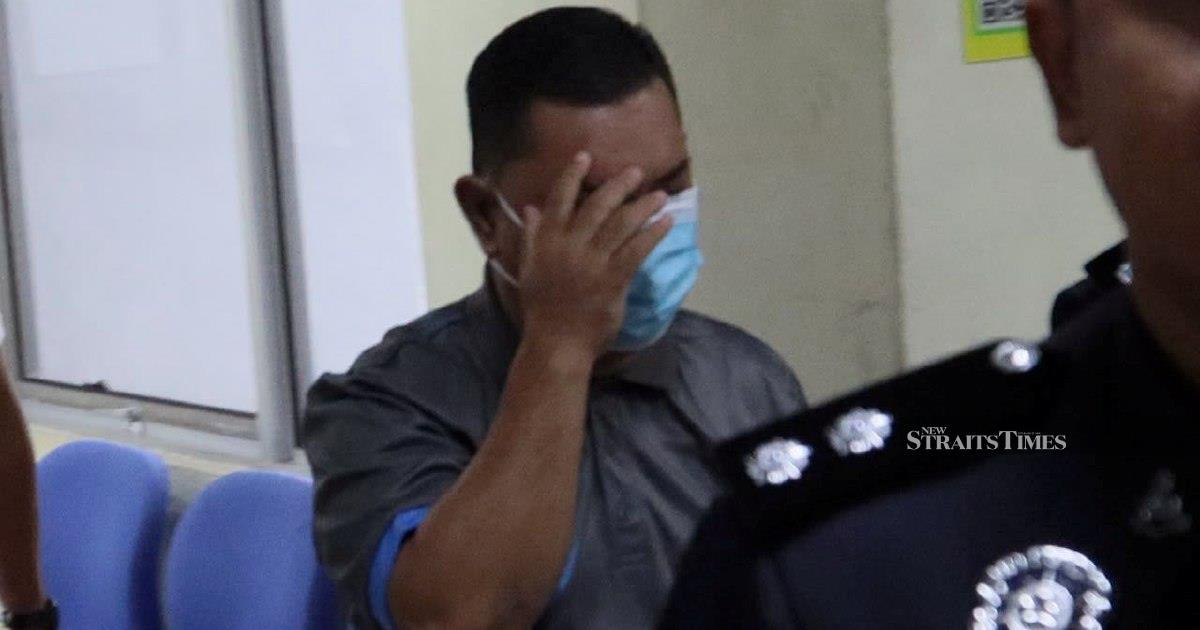
A teacher employed at a religious school in Butterworth faced the Sessions Court today as authorities pursue charges relating to alleged sexual misconduct involving male students under his supervision. The eight counts of sexual assault and outraging of modesty represent a significant breach of the trust placed in educators and raise troubling questions about safeguarding protocols within educational institutions across Malaysia.
The charges indicate a pattern of alleged misconduct spanning multiple incidents rather than isolated events, suggesting a systemic issue in how the suspected abuse may have gone undetected for an extended period. In Malaysia's education system, religious schools occupy a position of particular trust within communities, with parents often selecting such institutions with the assumption that additional moral supervision will accompany academic instruction. The allegations challenge this perception and prompt examination of whether existing oversight mechanisms are adequate to protect vulnerable students.
Cases involving allegations of sexual abuse by educators carry particular weight in Malaysian society, where the traditional respect for teachers as authority figures has historically created barriers to reporting misconduct. Students, especially those in religious educational settings where hierarchical relationships are emphasised, may face additional psychological obstacles when confronting abuse by instructors. The involvement of male students adds another dimension, as such cases sometimes encounter additional societal stigma or scepticism that can complicate the disclosure and reporting process.
The Sessions Court proceedings represent a critical juncture in what appears to be a multi-month or multi-year investigation. For the case to reach this stage with eight distinct charges suggests that sufficient evidence has been compiled to warrant formal arraignment, though the burden of proof now shifts to establishing guilt beyond reasonable doubt. The Malaysian judicial system will determine the validity of accusations, but the mere act of formal charging has already set in motion consequences affecting the accused educator's career and reputation.
Educational authorities in Malaysia have increasingly recognised the importance of implementing comprehensive safeguarding frameworks, particularly following similar cases that have surfaced in recent years. The Education Ministry has instituted background checking procedures and conduct guidelines, yet questions persist about whether training and awareness programmes adequately prepare school staff to recognise and report concerning behaviour from colleagues. Religious schools, which often operate with greater autonomy than government institutions, may face additional challenges in implementing standardised protection protocols.
The timing of such allegations becoming public often reflects lengthy investigative processes involving school administrators, police, and child protection agencies. In many instances, initial disclosure occurs within school environments where institutional responses can vary significantly. Some institutions respond swiftly and transparently, whereas others may delay reporting or attempt internal resolution, inadvertently prolonging harm to students. The investigation's progression to court proceedings indicates that relevant authorities ultimately determined external legal intervention was necessary.
For the affected students, coming forward against an authority figure within their institution requires considerable courage, particularly in cultural contexts where challenging educators is viewed as disrespectful. Support services for student witnesses during court proceedings become crucial for protecting their wellbeing and enabling their testimony. Trauma-informed approaches to handling such cases have gained recognition in Malaysian legal circles, though implementation remains inconsistent across jurisdictions.
The broader implications for Malaysia's educational landscape are substantial. Parents naturally examine such cases when evaluating school options, and institutions face reputational consequences regardless of final legal outcomes. Beyond individual school impacts, high-profile cases affect public confidence in educational systems generally and raise questions about institutional accountability. Religious schools particularly must grapple with the tension between maintaining their distinctive educational philosophies and implementing contemporary safeguarding standards expected by modern parents.
Legal precedents established through court decisions in cases like this one inform how Malaysian jurisprudence develops regarding educator accountability and institutional liability. Questions about whether schools themselves bear responsibility for inadequate supervision or oversight often emerge during such proceedings. Judgements can establish standards that influence policies across the education sector, potentially requiring schools to implement enhanced vetting, supervision, and reporting protocols.
The investigation and court proceedings will likely extend over an extended period as evidence is presented and the defence case is mounted. During this time, the accused remains subject to court authority while presumed innocent until conviction. Simultaneously, the institution must navigate the challenge of rebuilding community trust while supporting affected students' continued education and psychological recovery. The case underscores the critical importance of creating school environments where students feel empowered to report misconduct without fear of disbelief or retaliation, and where institutional leaders prioritise student protection above institutional reputation.

