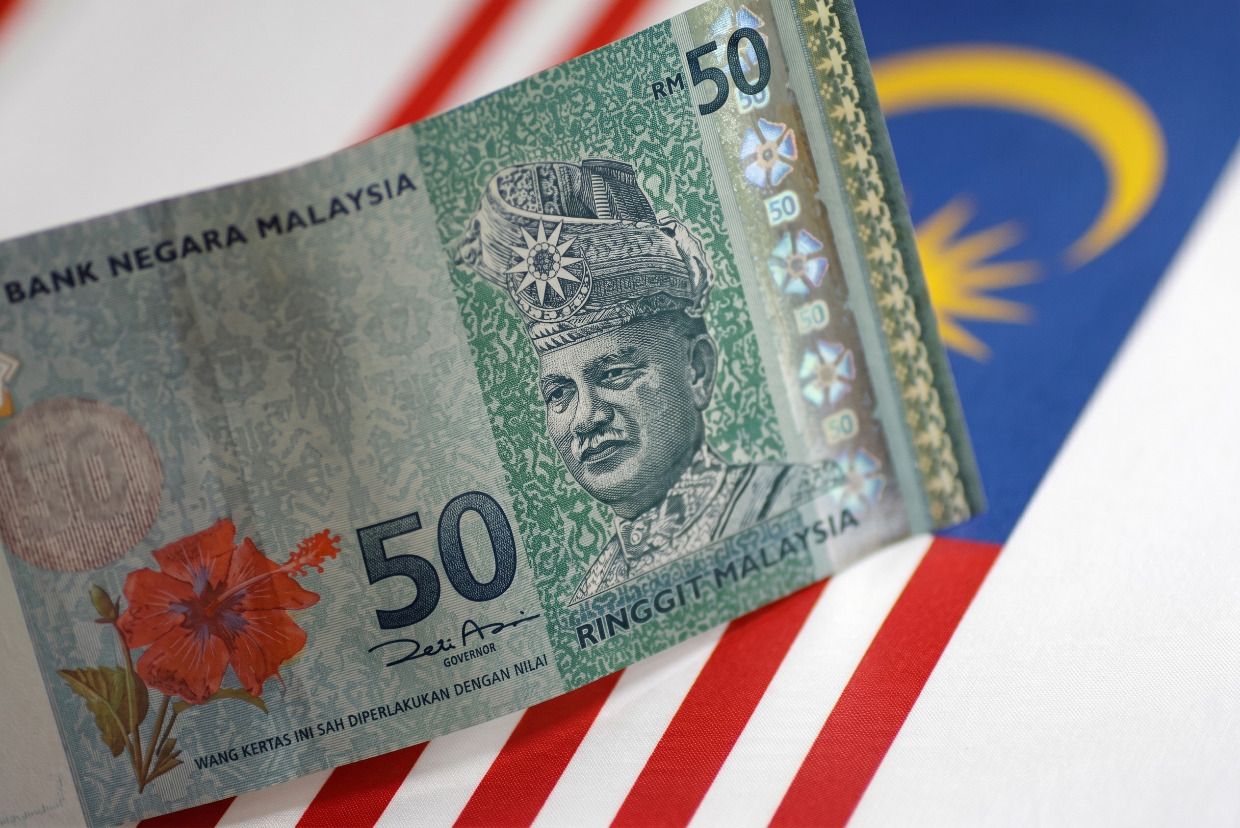
Malaysia's currency is entering the second half of 2025 with momentum building towards a meaningful recovery, after stumbling through the first six months to become the region's worst performer. Optimism among financial analysts centres on the confluence of policy support from Bank Negara Malaysia and underlying economic strengths that should propel the ringgit substantially higher by December, offering relief to Malaysian exporters, investors, and households who have weathered currency weakness.
The most ambitious projection comes from Royal Bank of Canada, which forecasts the ringgit reaching 3.95 per US dollar by year-end—representing appreciation of roughly 3% from current levels. Australia & New Zealand Banking Group presents an even more bullish scenario, suggesting the currency could climb to 3.80, which would represent its firmest position since 2015. These assessments reflect a fundamental shift in sentiment following Bank Negara's June 24 announcement to intensify mechanisms encouraging companies to repatriate and convert their offshore earnings into ringgit. The immediate market response was telling: the currency has already outperformed all its Asian counterparts since the central bank's pledge, validating analysts' confidence in policy effectiveness.
The linchpin holding together the recovery narrative is Malaysia's exceptional trade performance. In May alone, merchandise exports surged 45 percent year-on-year, a figure underscoring the nation's deepening integration into global supply chains and benefiting substantially from the artificial intelligence infrastructure wave sweeping through technology sectors. This export dynamism translated into a record monthly trade surplus of 40 billion ringgit—approximately USD 9.8 billion—in May, the largest monthly buffer the country has recorded. Such surpluses generate organic demand for ringgit as foreign buyers must acquire Malaysian currency to pay for goods, a structural tailwind that complements any policy initiatives.
Beyond merchandise trade, Malaysia's position as a preferred destination for data-centre development and its established electronics manufacturing base have attracted sustained foreign interest. Global technology companies seeking alternatives to concentrate their operations in any single jurisdiction have increasingly viewed Malaysia as a strategic hub, particularly for power-hungry artificial intelligence computing facilities. This structural shift in global investment patterns provides a multi-year tailwind rather than a temporary cyclical boost, differententiating Malaysia's recovery prospects from mere currency volatility.
The inflow into ringgit-denominated debt instruments offers another compelling indicator of international investor appetite. Global funds deployed approximately USD 2.1 billion into Malaysian bonds during the first 29 days of June alone, positioning the market for its largest monthly foreign inflow since May 2025. This appetite reflects confidence in Malaysia's sovereign credit quality, attractive yield differentials versus developed-market alternatives, and expectations that the ringgit will appreciate—making ringgit assets doubly attractive to foreign holders who benefit from both coupon income and currency gains.
Bank Negara's strategic emphasis on encouraging foreign-exchange conversion represents a sophisticated policy response that bridges Malaysia's structural trade surplus with currency performance. Rather than simply imposing capital controls or administrative restrictions, the central bank has created incentive structures encouraging businesses holding foreign deposits to convert these holdings into ringgit. This approach recognises that multinational corporations and exporters naturally accumulate foreign-currency balances through their operational activities, and converting these presents an opportunity to channel genuine economic activity into supporting the currency rather than fighting market forces artificially.
The current policy framework mirrors successful earlier initiatives deployed in 2024, when Malaysia's currency had fallen to its weakest position against the dollar since 1998. Those earlier interventions proved sufficiently effective that the ringgit subsequently rebounded to become Asia's strongest performer that year, an accomplishment that suggests policy credibility remains intact. Investors recall this turnaround, lending authority to Bank Negara's current pronouncements and helping explain the rapid market repricing observed since late June.
Despite the constructive outlook, headwinds demanding attention remain present. The US Federal Reserve's increasingly hawkish monetary policy stance threatens to support dollar strength globally, including against the ringgit, as higher American interest rates attract capital flows toward dollar assets. This external constraint could partially offset Malaysia's domestic policy support, though analysts expect the repatriation measures and inflows to outweigh Federal Reserve effects given the magnitude of Malaysia's trade surplus and robust Asian growth dynamics.
Domestically, upcoming state elections preceding national polling represent a political risk factor that institutional investors monitor closely. These contests will effectively test public support for Prime Minister Anwar Ibrahim and his ruling coalition, with results potentially influencing both domestic policy direction and foreign investor confidence. Political uncertainty can occasionally generate currency volatility or deter marginal capital inflows, though the structural improvements in Malaysia's trade position and the clarity of Bank Negara's policy direction appear likely to sustain recovery momentum regardless of electoral outcomes.
The convergence of multiple supporting factors suggests the ringgit's recovery should prove more durable than currency rebounds driven by temporary sentiment shifts alone. Malaysia's enhanced competitiveness in artificial intelligence infrastructure, record trade surpluses, and robust foreign demand for local debt create a multifaceted foundation for appreciation. Foreign currency deposits accumulated by businesses during March through May provide immediate conversion opportunities under Bank Negara's framework, while the continuity of foreign direct investment into manufacturing and data-centre projects ensures ongoing organic ringgit demand.
For Malaysian businesses and households, the recovery trajectory carries substantial practical implications. A stronger ringgit reduces import prices for consumer goods and industrial inputs purchased from abroad, potentially moderating inflation while improving purchasing power. Malaysian exporters benefit from improved terms of trade competitiveness, though the currency appreciation itself requires careful management to prevent erosion of export advantages. Investment returns and remittances from abroad increase in ringgit terms, benefiting diaspora families and fund managers with international portfolios.
Regionally, Malaysia's currency recovery reflects broader stability in Southeast Asian financial markets amid global growth uncertainties. The ringgit's performance directly influences regional currency and asset valuations, with a stronger Malaysian currency generally encouraging capital rotation toward Malaysia and reinforcing confidence in the region's economic fundamentals. Analysts emphasise that the recovery now underway represents validation of Malaysia's structural economic position rather than temporary speculation, positioning the nation favourably for sustained capital attraction as geopolitical uncertainties persist elsewhere.

