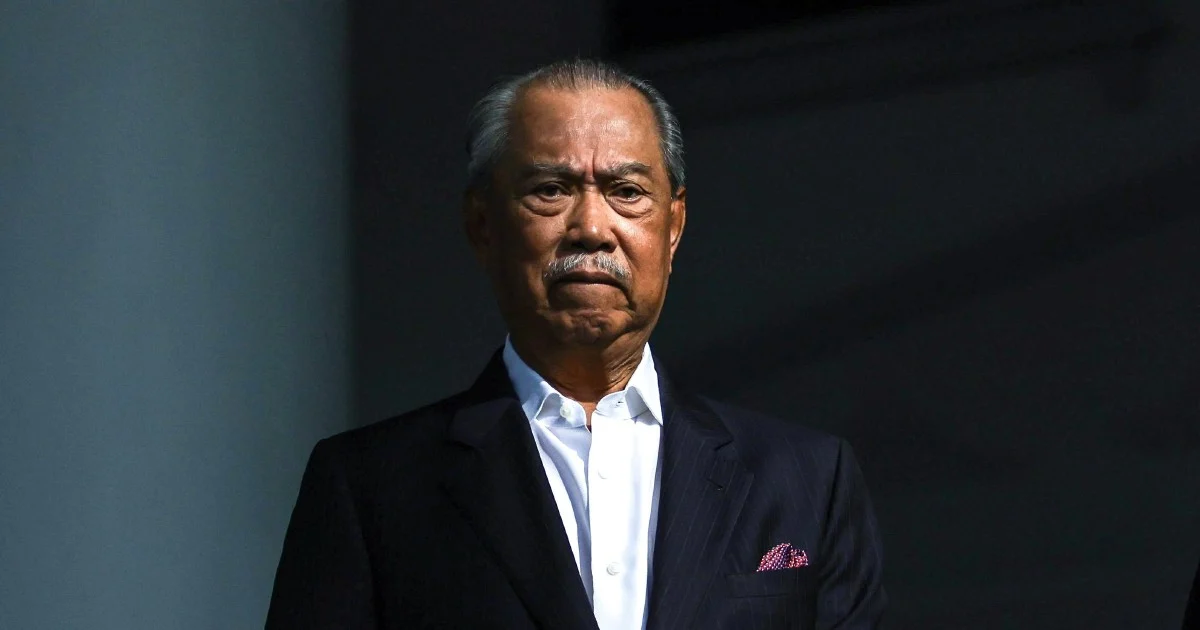
A court ruling has resulted in the continued freezing of RM195 million in bank accounts held under Bersatu, the political party founded by former Prime Minister Muhyiddin Yassin, leaving the organisation unable to access substantial financial reserves during a period of political uncertainty and internal restructuring.
The judicial decision represents a significant constraint on the party's operational capacity and fundraising flexibility at a time when Malaysian political dynamics remain fluid. Bersatu, which emerged as a major political force in 2018 and played a crucial role in subsequent coalition governments, now faces considerable financial restrictions that could affect its ability to mount campaigns, maintain administrative structures, and compensate party personnel.
The frozen assets highlight the growing intersection between Malaysia's complex political landscape and civil litigation. Disputes over party funds have become increasingly common as factional tensions within major political organisations escalate and competing leadership claims create legal confrontations. The lengthy process of judicial determination over financial ownership reflects broader challenges in Malaysian politics regarding institutional governance and transparent asset management within political parties.
For Bersatu specifically, the account freeze creates operational challenges that extend beyond simple cash-flow problems. The party's ability to respond to political developments, support candidates in potential elections, or invest in organisational renewal has been significantly curtailed. This financial constraint comes as Bersatu navigates its positioning within Malaysia's coalition politics, where access to resources directly correlates with political influence and negotiating power.
The RM195 million figure underscores the substantial financial investments that major Malaysian political parties accumulate through member contributions, business donations, and historical reserves. That such a significant sum remains inaccessible demonstrates the potential vulnerability of party finances to legal challenges and the importance of robust governance frameworks within political organisations. The case may prompt other parties to review their financial management protocols and asset protection strategies.
Court intervention in party financial matters, while legally justified when disputes arise, also raises broader questions about regulatory oversight of political organisations in Malaysia. Unlike some democracies with dedicated political finance regulators, Malaysia relies heavily on conventional courts to adjudicate disputes over party assets, potentially creating inconsistencies in how such matters are resolved across different organisations and time periods.
The decision maintains the status quo established by earlier court orders, suggesting judicial confidence in the reasoning behind the original freeze. This consistency indicates the court's assessment that legitimate questions persist regarding the rightful ownership or proper allocation of these funds. Absent significant new evidence or legal arguments, the freeze appears likely to remain in place unless higher court proceedings reverse the determination.
Bersatu's financial constraints may influence its strategic calculations regarding coalition partnerships and electoral participation. Political parties with limited liquid resources often face pressure to form alliances with better-capitalised organisations, potentially affecting the political landscape and governance configurations that emerge from future elections. The frozen accounts thus carry implications extending beyond Bersatu itself to Malaysia's broader political ecosystem.
For Malaysian voters and observers monitoring party finances, the case illustrates both the necessity of legal mechanisms to resolve genuine disputes and the challenges these mechanisms present when applied to political organisations operating within sensitive governance contexts. Transparency regarding the reasons for the freeze, the parties contesting the funds, and the anticipated timeline for resolution remains important for public understanding of how political finance is managed and protected under Malaysian law.
The situation also reflects internationally observed patterns where political party finances become contested terrain during periods of leadership transitions, factional disputes, or significant political realignment. Malaysia's experience with frozen party assets demonstrates that even relatively established political organisations can face substantial financial uncertainty when ownership claims become legally disputed, underscoring the importance of clear governance documentation and conflict resolution mechanisms within party structures.
Moving forward, the case may serve as a cautionary example prompting Malaysian political parties to strengthen their financial governance frameworks, establish clearer asset ownership documentation, and develop internal dispute resolution processes that reduce reliance on protracted court proceedings. The RM195 million freeze represents not merely a financial constraint on one party but a broader lesson about institutional vulnerability in Malaysia's political system.