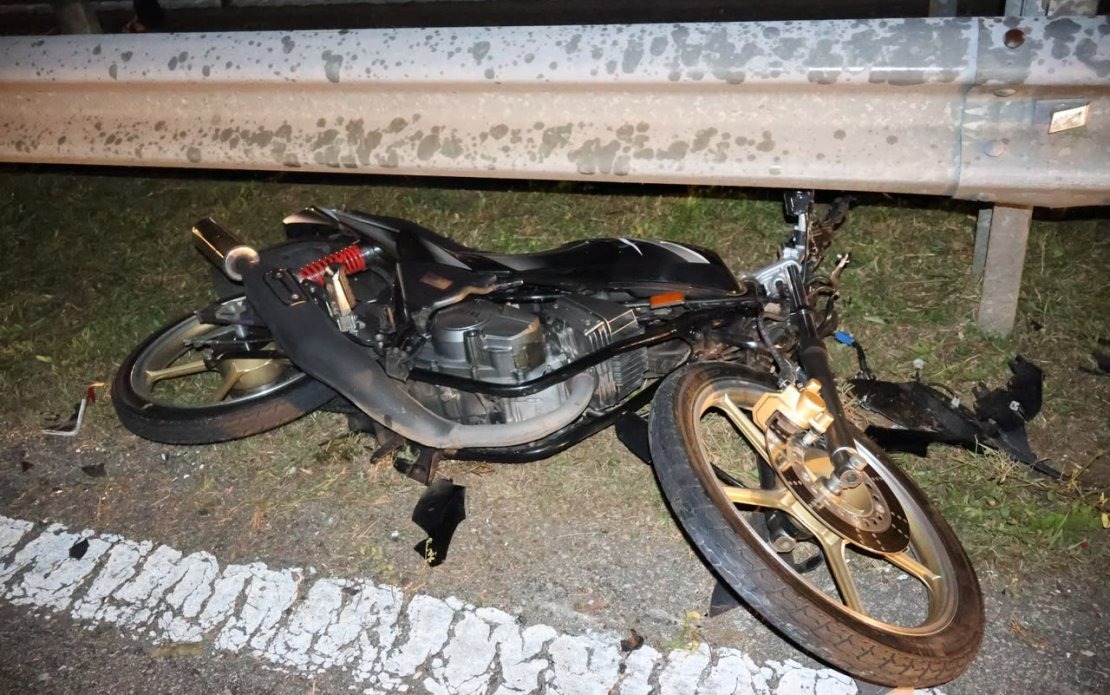
The director of Bukit Aman's Traffic Investigation and Enforcement Department has delivered a sobering assessment of Malaysia's road safety challenge, arguing that policing and penalties alone cannot reverse the culture of reckless driving that continues to claim lives on the nation's highways. Datuk Seri Muhammed Hasbullah Ali made these remarks following a catastrophic accident on the East Coast Expressway early on July 11, which left four motorcyclists dead and injured 20 others, highlighting the urgent need for a more holistic approach to reducing road fatalities.
The tragedy underscores a persistent problem in Malaysian traffic management: despite sustained enforcement campaigns and the deployment of sophisticated detection equipment, dangerous riding practices remain endemic. Muhammed Hasbullah identified motorcyclists as a particularly vulnerable group, noting that many collisions stem not from mechanical failure or external circumstances, but from deliberate choices made by riders who knowingly disregard traffic regulations. The motivations behind such behaviour, he suggested, are often rooted in psychological factors—the desire to impress peers, the thrill-seeking impulse, or simple disregard for communal safety norms.
What distinguishes Muhammed Hasbullah's statement is his explicit acknowledgement that the police enforcement apparatus, however vigilant, operates within fundamental limitations. The JSPT can impose fines, confiscate vehicles, and prosecute offenders, yet these deterrents have not substantially altered the behaviour patterns that lead riders to engage in illegal street racing, perform acrobatic manoeuvres on congested expressways, or ride at excessive speeds. This recognition reflects a growing international consensus that transport safety cannot rely solely on punitive measures; it requires intervention at deeper cultural and psychological levels.
The director has therefore called for a comprehensive realignment of road safety strategy, one that elevates education and public advocacy to equal standing with enforcement operations. This approach assigns crucial responsibilities to stakeholders beyond the police force. Parents and families, he stressed, bear responsibility for instilling responsible attitudes in young road users during their formative years. Educational institutions must integrate traffic safety into their curricula, teaching not merely the technical rules of the road but the values of responsibility and consideration for others. Communities themselves must collectively reject and discourage the glorification of reckless driving, which in contemporary Malaysia has become amplified through social media platforms where dangerous riding videos circulate widely and sometimes earn admiration.
The implications of this philosophy extend across Malaysian society. Road safety, framed in this manner, becomes a collective responsibility rather than a matter of police surveillance and individual punishment. When a motorcyclist performs stunts on the LPT, endangering themselves and nearby vehicles, the responsibility diffuses across their family circle, their peer group, the social media ecosystem that may have celebrated similar behaviour, and the broader cultural milieu that either condemns or tacitly accepts such actions. This systemic perspective aligns with how other developed nations have approached traffic fatality reduction, often achieving dramatic improvements through sustained campaigns that combine enforcement with persistent public messaging about shared road responsibility.
For Malaysia specifically, the challenge is particularly acute given the dominance of motorcycles in the vehicle population and the high proportion of motorcycle-related deaths in overall traffic fatality statistics. Two-wheelers offer speed, manoeuvrability, and a sense of individual liberty that can incentivise risk-taking, especially among younger riders. Moreover, motorcycle culture in Southeast Asia has historically emphasised individual prowess and daring, creating a social context in which dangerous riding can be romanticised rather than stigmatised. Shifting this cultural narrative requires consistent, multi-year effort from government agencies, educational bodies, media outlets, and community leaders.
Muhammed Hasbullah has assured that the JSPT will maintain rigorous enforcement against offenders, pursuing cases of reckless riding, illegal racing, and dangerous stunts with renewed vigour. However, his message carries an implicit warning: enforcement operations alone, no matter how intensive, cannot solve a problem rooted in attitudes and values. The East Coast Expressway incident, with its toll of four young lives, serves as a stark reminder that the consequences of normalising dangerous road behaviour extend far beyond the individual rider. Fellow motorists, passengers, and emergency responders all face heightened risk and potential trauma.
The broader context within which this statement must be understood includes Malaysia's persistent struggle with road safety rankings within the region. Despite substantial investment in highway infrastructure and traffic management technology, fatality rates remain a significant public health concern. International road safety assessments consistently highlight the need for comprehensive approaches that balance infrastructure, enforcement, and behavioural change. Muhammed Hasbullah's intervention represents an institutional acknowledgement that Malaysia's traffic police recognise the limits of their conventional toolkit and the necessity for society-wide mobilisation.
Moving forward, the effectiveness of this reframed approach will depend on genuine collaboration between government ministries, from transport and education to community development. It will require sustained funding for public campaigns that counter the narratives promoting dangerous riding. It will demand that schools dedicate curriculum time to road safety education rather than treating it as peripheral. It will necessitate that parents engage seriously with their children's riding habits and peer influences. The police will continue their enforcement role, but positioned within a broader ecosystem of education, advocacy, and cultural change that addresses the root psychological and social drivers of irresponsible road behaviour.

