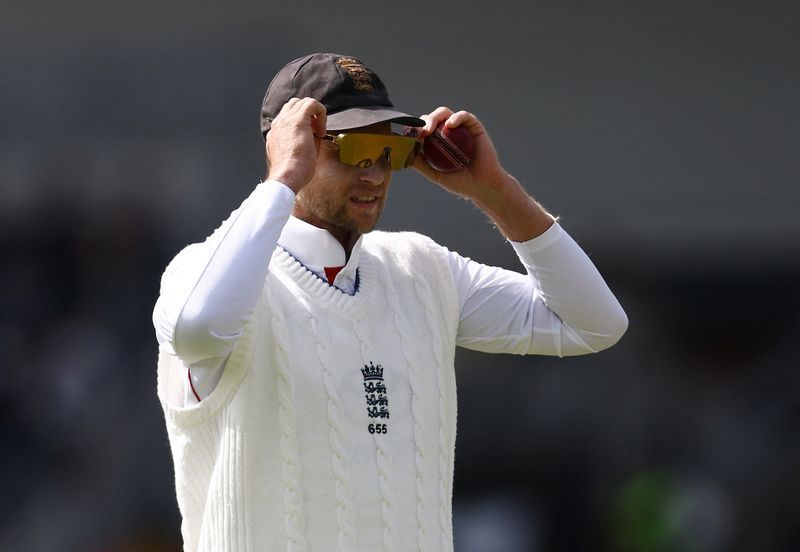
England's cricket captain Joe Root has publicly vented his exasperation over what he describes as a damaging cycle of off-field misconduct, following the latest incident involving fast bowler Brydon Carse at a nightclub. The episode, which saw social media footage circulating of the 31-year-old apparently in handcuffs while speaking with police officers, has prompted the England Cricket Board to exclude Carse from the second test match against Pakistan beginning this Thursday. Root's candid response reflects escalating concern within English cricket about a pattern that threatens to overshadow the team's on-field performance.
Carse's detention represents merely the most recent flashpoint in what has become an uncomfortable pattern for England's cricket establishment. The names mounting on this troubling list—including batsmen Harry Brook and Ben Duckett, former captain Ben Stokes, and fast bowler Gus Atkinson—suggest a systemic issue rather than isolated lapses in judgment. Each incident chips away at the team's reputation and raises uncomfortable questions about professional standards within the squad. The accumulating nature of these incidents has prompted observers to question whether England's cricket culture has drifted too far towards permissiveness regarding player behaviour outside the boundary.
During a media briefing on Tuesday, Root articulated his disappointment with a blend of frustration and candidness that underscores the severity of the situation from leadership's perspective. He emphasised that what troubles him most is not any single incident viewed in isolation, but rather the repeated nature of these lapses. The captain noted that such off-field distractions fundamentally detract from the team's ability to focus on competitive cricket and undermine the collective effort required to build a winning culture. His language—describing himself as "hacked off"—conveyed genuine upset rather than the measured diplomatic speak typically deployed by captains addressing sensitive matters.
Root, who returned to the captaincy following Ben Stokes' retirement from international cricket, has inherited a team facing reputational challenges alongside competitive pressures. The captain outlined his vision for reshaping the environment, acknowledging that establishing new standards will require time and sustained commitment. He highlighted that the playing group understands the expectations placed upon them and recognises what representing England demands. However, his acknowledgment that cultural change "is not going to happen overnight" suggests recognition of the depth of work required to remedy the situation.
The England Cricket Board's decision to remove Carse from the Pakistan test represents an immediate disciplinary response, with young fast bowler Sonny Baker drafted in as his replacement. While Carse was released without charges following his brief detention, the independent Cricket Regulator will conduct a formal investigation into potential breaches of the ECB's code of conduct. This investigative process will determine whether further sanctions should apply, adding another layer to the unfolding narrative around player discipline and accountability.
Root's personal interaction with Carse illuminates the human dimension of the crisis. The captain stated that his initial response upon learning of the incident centred on concern for Carse's wellbeing as an individual, not merely as a cricketer. Root conveyed that Carse has expressed genuine remorse and comprehends the seriousness of his actions, suggesting a player aware of having fallen short of expected standards. This dimension matters significantly in how the incident is processed—a player acknowledging wrongdoing and demonstrating contrition provides a foundation for rehabilitation and reintegration.
For Malaysian and Southeast Asian cricket followers, these developments carry particular resonance given the region's own engagement with professional cricket standards and the broader conversation about player conduct in international sport. The challenges England faces reflect universal questions about how sporting organisations balance competitive ambition with the character development and off-field conduct of their athletes. The visibility of these incidents, amplified through social media, means that reputational damage extends globally and instantaneously in ways previous generations of cricketers never experienced.
England's immediate competitive challenge provides both context and consequences for the cultural reckoning underway. The team currently holds a 1-0 advantage in the Pakistan test series following a decisive victory in the opening match, with matches scheduled at Lord's and Birmingham following the current encounter. Success on the field could provide momentum for cultural change, while continued discipline issues would compound the narrative of a team struggling with professional standards. The intersection of sporting ambition and behavioural accountability creates pressure on both dimensions simultaneously.
The broader implications extend to how international cricket teams establish and enforce behavioural codes in an era of intense media scrutiny and instantaneous information sharing. England's situation demonstrates that even established cricket nations must actively manage team culture and cannot assume that competitive success automatically flows from talented individuals. The ECB's regulatory processes will be closely watched by other cricket boards navigating similar challenges, making England's response to this crisis a potential benchmark for how institutional cricket addresses player conduct issues moving forward.

