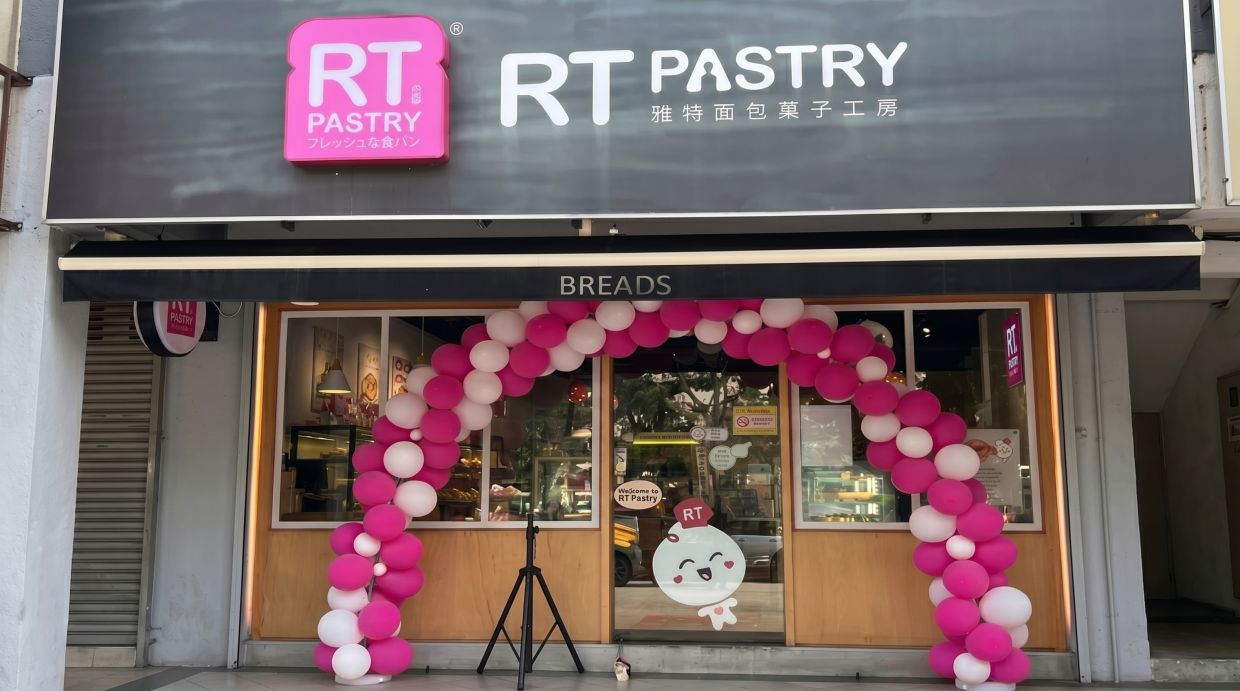
RT Pastry Holdings Bhd has strengthened its standing in Malaysia's competitive halal bakery sector by securing halal certification from the Department of Islamic Development Malaysia (JAKIM) for its primary manufacturing hub, Plant 1, located in Taman Bukit Serdang, Seri Kembangan. The certification, granted on July 1, represents a significant milestone for the bakery operator and underscores the company's commitment to meeting the stringent standards demanded by Malaysia's halal-conscious consumer market.
The certification credentials are robust and comprehensive. Valid for a seven-year period extending to June 30, 2028, the accreditation encompasses an extensive portfolio of the company's bakery offerings—including cakes, Swiss rolls, pastries, cookies, desserts and numerous other baked goods. This breadth of coverage signals JAKIM's confidence in the facility's adherence to halal protocols across its entire production spectrum, not merely selective product lines. The achievement reflects the facility's successful implementation of stringent controls throughout the manufacturing chain, from raw material sourcing through to final packaging and distribution.
The certification was awarded in compliance with the Malaysian Halal Standard MS1500:2019, a comprehensive regulatory framework that establishes detailed criteria for the sourcing, manufacture, handling and sanitation procedures necessary to guarantee conformity with Islamic dietary principles. This standard represents Malaysia's formal commitment to ensuring that halal products meet both religious requirements and internationally recognised food safety benchmarks. Compliance with MS1500:2019 is not merely a domestic concern—it positions Malaysian halal producers competitively within regional and global markets where halal credentials have become increasingly important to Muslim consumers and trading partners.
RT Pastry's corporate footprint now spans multiple certified facilities. The company previously secured JAKIM halal accreditation for Plant 2, situated in Glelmarie, during 2023. With both manufacturing operations now holding valid halal certifications, RT Pastry has established a dual-facility infrastructure capable of meeting demand across diverse customer segments—from retail consumers purchasing packaged products to commercial clients and food service operators requiring bulk supplies. This distributed production capacity positions the company to respond flexibly to market fluctuations and maintain consistent supply chains without compromising quality or compliance standards.
Executive director and group chief executive officer Lu Chun-Neng articulated the company's broader strategic vision, characterising halal certification as transcending mere regulatory obligation. According to Lu, the certification reflects the organisation's foundational commitment to quality, integrity and consumer assurance. This framing is significant because it repositions halal compliance from a technical checkbox into a core element of corporate identity and market differentiation. For Malaysian consumers, particularly those for whom halal status carries both spiritual and practical importance, this messaging reinforces trust and establishes RT Pastry as a producer that prioritises their concerns.
The timing and scope of this certification carry particular relevance for Malaysia's rapidly evolving halal economy. As domestic consumers become increasingly sophisticated in their purchasing decisions, halal certification has evolved beyond religious validation to become a marker of quality, safety and ethical manufacturing practice. International buyers, particularly from neighbouring Muslim-majority nations and diaspora communities, frequently prioritise halal credentials when selecting food suppliers. RT Pastry's investment in securing comprehensive certification across its manufacturing infrastructure signals ambitions to capture market share not merely domestically but within regional trade networks where halal status functions as a critical competitive advantage.
The bakery sector occupies a distinctive position within Malaysia's food manufacturing landscape. Unlike commodity-based industries, bakery products involve close consumer engagement with brand identity and trust. Halal certification in this context serves multiple functions: it provides Islamic dietary assurance, it demonstrates compliance with Malaysian food safety regulations, and it communicates to the market that the producer operates with transparency and accountability. For a company like RT Pastry that competes against both local operators and multinational food producers, halal accreditation represents a defensible market position where regulatory compliance and consumer values align.
RT Pastry's management emphasised that the certification reinforces the company's commitment to serving an expanding customer constituency while upholding rigorous standards across its manufacturing infrastructure. This statement reflects industry dynamics where consolidation and expansion among Malaysian halal food producers have intensified competition. By securing certification for both major production facilities, RT Pastry demonstrates operational maturity and the capacity to manage complex regulatory environments—qualities that reassure both institutional customers and retail consumers.
Looking forward, the certification positions RT Pastry favourably for business development initiatives. The seven-year validity period provides operational stability and predictability necessary for capital investments, supply chain planning and market expansion strategies. Within the Malaysian context, where halal credentials increasingly influence procurement decisions by government agencies, institutional caterers and corporate purchasing departments, holding current JAKIM certification substantially enhances RT Pastry's competitive positioning. For consumers selecting packaged bakery products in retail environments, the JAKIM mark on RT Pastry packaging communicates compliance with a nationally recognised standard administered by an authoritative Islamic body, a distinction that meaningfully influences purchasing behaviour among Malaysia's halal-conscious majority.

