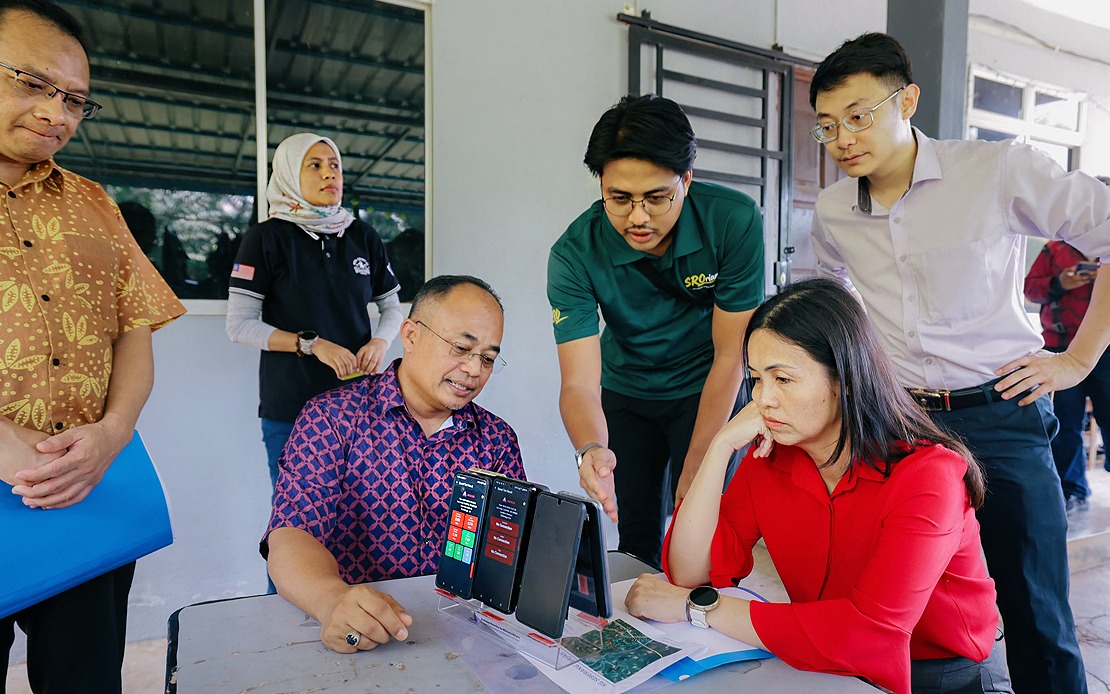
The persistent internet connectivity problems affecting residents of Kampung Seberang Gajah in Tangkak are poised for resolution as authorities move forward with construction of an additional telecommunications tower to serve the underserved community. Deputy Communications Minister Teo Nie Ching confirmed the initiative during a site visit on July 9, signalling a concrete step toward bridging the digital divide in this rural locality that has struggled with insufficient broadband access despite proximity to existing infrastructure.
The core challenge confronting the village lies not in the absence of telecommunications infrastructure but rather in the limitations of current coverage. Although two telecommunications towers already operate in adjacent areas, their transmission range and capacity fall short of adequately serving the surrounding population. This gap exemplifies a broader pattern across Malaysia where physical infrastructure exists yet fails to translate into quality service for outlying communities, a problem that has gained prominence as digital connectivity becomes increasingly essential for education, commerce, and government services.
Responding to documented service deficiencies, the Malaysian Communications and Multimedia Commission (MCMC) has directed telecommunications service providers to address the coverage shortfall through construction of a purpose-built facility. The regulatory intervention represents the government's willingness to mandate industry action when market forces alone prove insufficient to serve less commercially attractive areas. Such directive authority underscores the MCMC's role as both regulator and advocate for universal service principles in Malaysia's communications landscape.
The new tower project has progressed beyond the planning phase to a stage where construction blueprints are finalised and ready for implementation. However, the initiative remains contingent on securing necessary approvals from local municipal authorities—a procedural requirement that, while essential for orderly development, frequently introduces delays in rural infrastructure projects. The telecommunications company overseeing the project currently awaits formal permit issuance before mobilising construction crews and equipment to the site.
Minister Teo emphasised the urgency of accelerating both the approval process and subsequent construction work, reflecting official concern that prolonged delays would perpetuate the digital disadvantage facing Kampung Seberang Gajah residents. Her intervention signals high-level political attention to rural connectivity issues, a priority area given Malaysia's broader aspirations toward digital economy transformation and inclusive technological development. The expedited approach she advocated would compress implementation timelines and deliver tangible improvements more rapidly to affected communities.
The government's engagement with this specific connectivity problem involved senior officials and technical specialists who conducted direct assessment of service conditions in the village. The survey team included representatives from MCMC's Southern Region Office, telecommunications service providers, and state-level administrators including the Head of the State Affairs Sector Bukhari Yahya. This coordinated approach demonstrates inter-agency cooperation and evidence-based policy formation, with decisions grounded in documented field conditions rather than abstract planning assumptions.
The Kampung Seberang Gajah situation reflects challenges common throughout rural Southeast Asia, where geography, population density, and economic viability calculations create persistent infrastructure deficits. While urban centres enjoy competitive telecommunications markets and abundant coverage options, dispersed rural settlements often fail to attract commercial investment despite representing legitimate development priorities. Malaysia's approach through regulatory directive rather than relying solely on market competition offers a model whereby government leverages MCMC authority to ensure equitable service distribution across diverse settlement patterns.
Improved internet connectivity in the village holds implications extending beyond basic browsing access. Enhanced broadband enables distance education, telemedicine services, digital commerce opportunities, and agricultural applications increasingly essential to rural livelihoods. For younger residents, reliable internet access facilitates access to educational resources and employment prospects tied to the digital economy. These broader development impacts explain the political priority accorded rural connectivity initiatives despite their limited commercial return on investment for service providers.
The project timeline remains dependent on prompt local authority action and subsequent construction execution by the assigned telecommunications company. Implementation success will require coordinated effort among multiple stakeholders—municipal bureaucracies, private sector operators, and state agencies—all functioning within established timelines. Experience with similar rural infrastructure projects suggests that initial optimism about expedited completion often encounters practical constraints including weather delays, supply chain disruptions, and technical complications that extend original schedules.
Once operational, the new tower will substantially enhance service capacity and coverage reliability for Kampung Seberang Gajah and surrounding localities. Residents should experience marked improvements in download speeds, connection stability, and service availability compared to previous conditions dependent on distant towers operating at capacity limits. The infrastructure addition represents concrete demonstration of government commitment to reducing digital disparities, though sustained success will require ongoing monitoring of service quality and willingness to invest further should population growth or technological advancement demand additional capacity.
The initiative also carries symbolic importance within Malaysia's broader digital transformation agenda. Public commitment to resolving rural connectivity challenges reinforces the principle that technological progress must extend beyond urban commercial zones to encompass all communities regardless of population density or economic classification. As Malaysia positions itself as a regional digital economy leader, ensuring inclusive access to foundational broadband infrastructure constitutes a prerequisite for achieving stated development objectives and preventing widening technological divides within the country.

