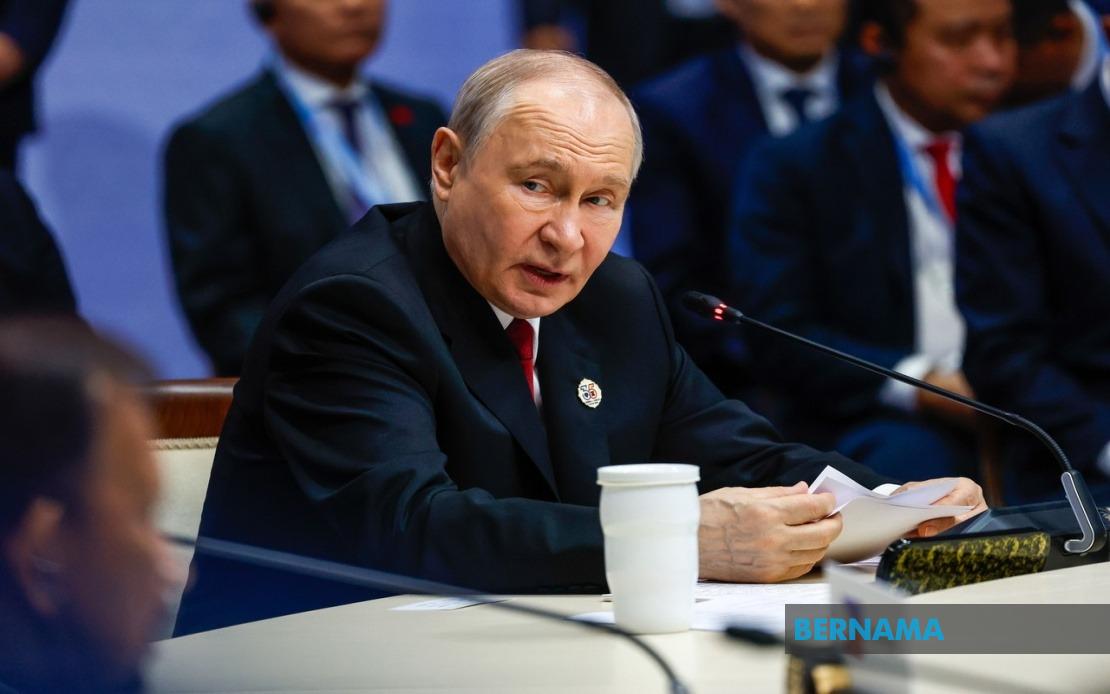
Russian President Vladimir Putin has characterized the partnership between Russia and ASEAN as a cornerstone of stability in the Asia-Pacific region, emphasizing its strategic significance during a period of considerable geopolitical volatility. Speaking at the ASEAN-Russia Commemorative Summit in Kazan, Putin underscored how three and a half decades of engagement have created institutional frameworks and collaborative mechanisms that now extend across multiple domains, from security arrangements to commercial ties, energy cooperation, agricultural development, technological advancement, science research, tourism promotion and cultural exchanges.
The formal establishment of Russian diplomatic relations with ASEAN took place in Kuala Lumpur during 1991, marking the beginning of what would eventually become a far more structured engagement. The relationship underwent a significant transformation in 1996 when Russia secured full Dialogue Partner status within ASEAN, a designation that reflected growing recognition of Moscow's relevance to regional affairs. However, the relationship reached a qualitatively different plane in 2018 when it was elevated to a Strategic Partnership, a move that signaled mutual commitment to deepening cooperation across political, security, economic and socio-cultural dimensions.
Putin's framing of the partnership emphasizes its foundation in international law and reciprocal interests rather than hierarchical arrangements or zero-sum competition. He articulated that Russia views mutual benefit and adherence to recognized legal principles as defining characteristics of engagement with ASEAN, distinguishing this approach from transactional relationships that might exist elsewhere in the region. This messaging appears designed to position Russia as a stable, principle-based actor even as Moscow faces considerable international isolation in other contexts, particularly regarding its actions in Europe.
The two-day commemorative summit addressed both retrospective assessment and forward-looking strategic planning. Participants reviewed accomplishments across the three decades while simultaneously identifying priority areas for the next phase of cooperation. The agenda reflects recognition that both Russia and ASEAN face shared challenges requiring coordinated responses, particularly in navigating economic uncertainties and technological disruption that characterize the contemporary international system.
Trade and investment expansion represents one cornerstone of deepened engagement, as ASEAN countries seek diversified commercial partnerships while Russia pursues greater economic integration with dynamic Asian markets. Energy security cooperation carries particular weight, given ASEAN's significant energy consumption requirements and Russia's substantial hydrocarbon reserves. Agricultural collaboration addresses food security concerns that affect the region's development trajectory, while technology and science partnerships position both sides to address emerging challenges in digital transformation and climate adaptation.
For Southeast Asian nations, the relationship with Russia provides strategic optionality in a region where geopolitical tensions between major powers create pressure for alignment. ASEAN's traditional commitment to strategic autonomy and non-interference in member states' bilateral relationships finds reinforcement through engagement with Moscow, which itself has historically opposed hegemonic arrangements in international affairs. This alignment of preferences around multipolarity and resistance to domination by any single power creates natural convergence points.
Russia's perspective on ASEAN reflects recognition that the bloc's significance extends well beyond its geographic footprint. With a combined population exceeding 650 million and substantial natural resources, ASEAN represents an important economic and demographic weight in Asian affairs. For Russia, maintaining robust relations with the association provides leverage in regional discussions while creating counterbalances to other power arrangements that may not include Russian participation.
The summit's timing reflects broader shifts in global geopolitical dynamics. As both Western-led sanctions frameworks and counter-sanctions measures complicate traditional international commerce, countries increasingly seek alternative partnerships to ensure economic resilience. ASEAN members, while maintaining diverse foreign policy orientations, generally recognize the value of maintaining working relationships across the international spectrum rather than concentrating engagement exclusively with Western institutions.
Education and people-to-people exchanges form another substantive dimension of the partnership. Russian universities have long attracted Southeast Asian students, particularly in fields such as engineering, medicine and natural sciences. These educational ties create enduring networks of individuals with firsthand understanding of both regions, facilitating future cooperation and building constituencies within each society that advocate for continued engagement.
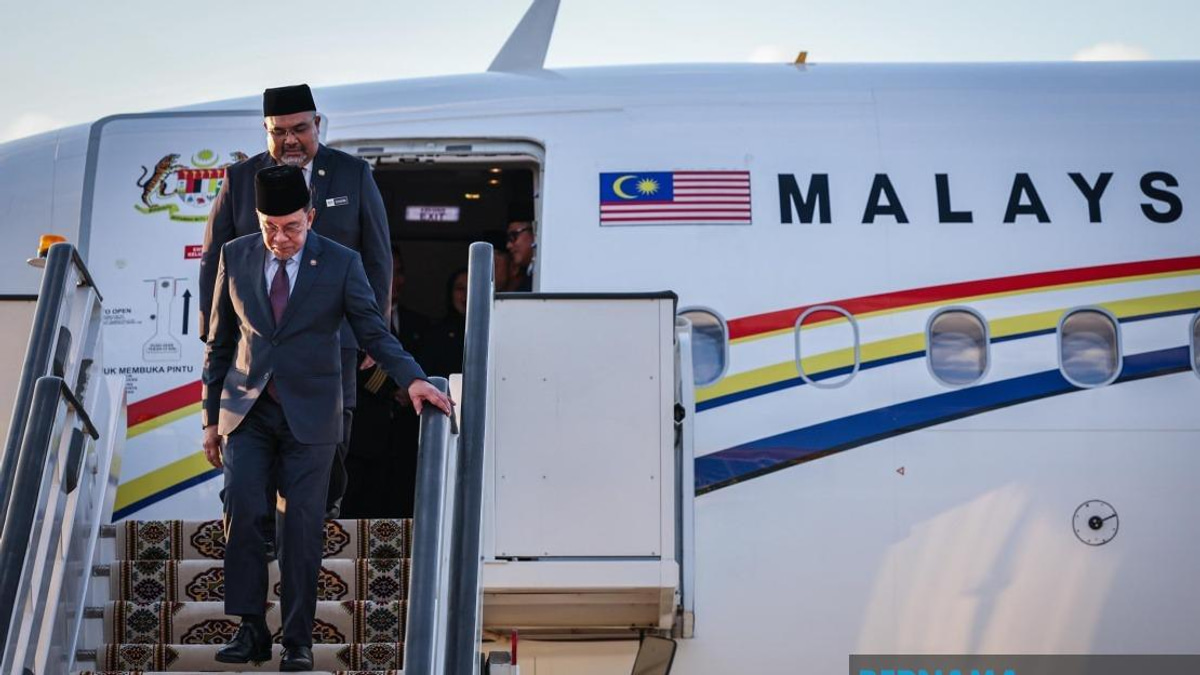
The attendance of Philippine President Ferdinand Marcos Jr and Prime Minister Datuk Seri Anwar Ibrahim, with the Philippines holding the current ASEAN chair, underscores the summit's significance within the association's diplomatic calendar. The participation of multiple ASEAN leaders reflected institutional commitment rather than nominal engagement, suggesting the organization views the Russia relationship as substantive rather than peripheral.
Looking forward, both parties face practical questions about expanding cooperation in ways that provide tangible benefits to respective populations while managing diverging interests that inevitably emerge between any partners. The framework established through decades of engagement provides institutional scaffolding for managing such differences, though ongoing attention to mutual benefit and reciprocal respect will prove essential as circumstances evolve and new challenges emerge in the Asia-Pacific environment.