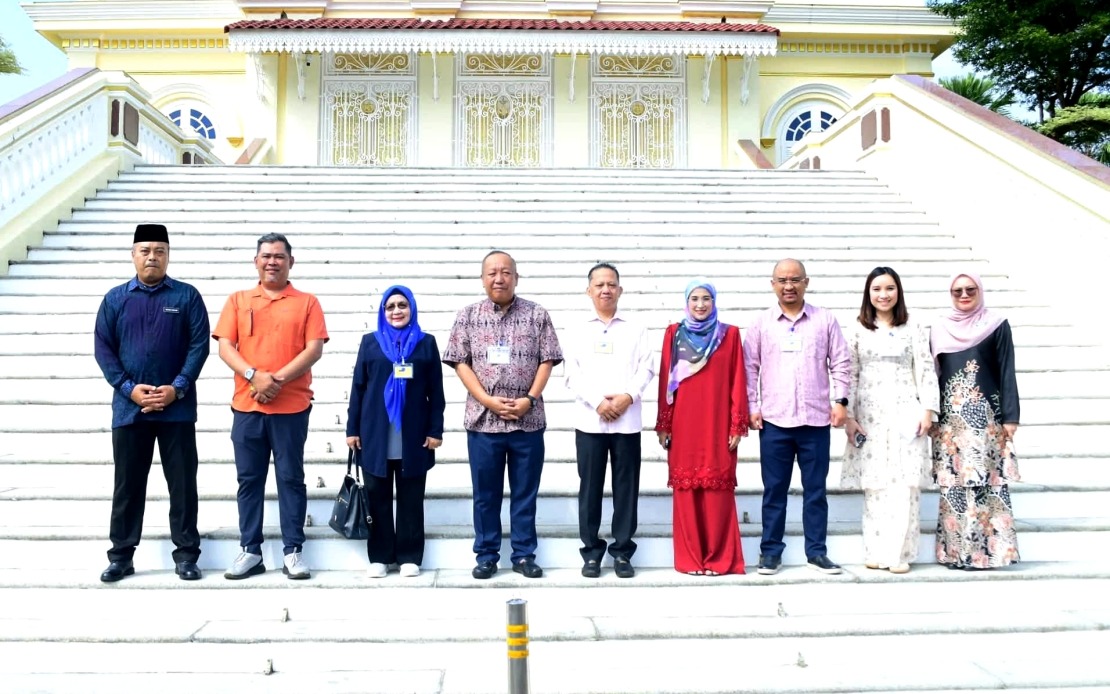
The Malaysian states of Sabah and Johor are deepening their tourism collaboration in a strategic move that reflects the growing recognition across the country that interstate partnerships can amplify regional appeal to both domestic and international travellers. Datuk Jafry Ariffin, Sabah's Minister of Tourism, Culture and Environment, announced the enhanced cooperation following a recent working visit by Sabah officials to Johor, signalling a fresh commitment to leveraging each state's unique strengths for mutual economic benefit.
The initiative represents far more than a ceremonial exchange between two Malaysian states. Rather, it signals an intentional pivot towards addressing one of the tourism industry's enduring challenges: fragmentation. Historically, Malaysian tourism promotion has often proceeded on a state-by-state basis, with each region competing for visitors rather than collaborating to strengthen the nation's overall appeal. This new arrangement between Sabah and Johor suggests a maturing understanding that travellers planning regional itineraries are more likely to visit Malaysia when multiple compelling destinations can be seamlessly integrated into a single journey.
A central dimension of the partnership involves developing joint promotional strategies that will present both territories as complementary experiences. Sabah, long established as an eco-tourism and adventure destination featuring Mount Kinabalu, pristine rainforests, and marine biodiversity, can now align messaging with Johor's positioning as a cultural and heritage hub. This complementarity is strategic: international tourists increasingly seek multifaceted experiences that blend nature, culture, and history within a single trip, and the Sabah-Johor arrangement directly addresses this demand.
The visit also included an official tour of Muzium Diraja Abu Bakar at Istana Besar Johor, where Sabah delegation members engaged with heritage preservation and museum management practices. This aspect of the cooperation is particularly significant for Sabah's ambitions. As the state prepares for Visit Sabah Year 2027, cultural and heritage tourism has been identified as a key economic pillar. By studying Johor's approach to conserving and presenting historical assets, Sabah officials can implement comparable strategies to strengthen their own cultural offerings, whether through enhanced museum experiences, improved heritage site management, or better interpretive programming.
The timing of this collaboration is deliberate and consequential. Visit Sabah Year 2027 represents a major opportunity to elevate the state's profile within both Malaysia's domestic tourism market and on the international stage. A two-year promotional campaign of this scale typically requires sustained effort, substantial marketing investment, and compelling value propositions that distinguish the destination from competitors. By securing partnership commitments from Johor now, Sabah is effectively extending its reach beyond its borders, tapping into Johor's existing tourism infrastructure and promotional channels to amplify the Visit Sabah Year 2027 message across a broader audience.
For Johor, participation in this arrangement offers distinct advantages as well. The state has invested considerably in developing its tourism sector, particularly around heritage and cultural tourism centred on its royal institutions and historical significance. Collaboration with Sabah, a state with exceptional natural attractions and growing international recognition, provides Johor with opportunities to cross-promote its offerings to travellers already considering Sabah as a destination. Furthermore, the partnership allows Johor to position itself as part of a broader Malaysian tourism narrative that encompasses diverse regional attractions, potentially elevating its standing in competitive international tourism markets.
The emphasis on sharing best practices in heritage conservation and museum management reflects a broader trend in regional tourism development: the recognition that tourism quality and sustainability are intertwined. Rather than pursuing visitor numbers through bare volume metrics, both states appear committed to attracting high-value travellers who appreciate and respect cultural assets. This approach has long-term benefits, as visitors who engage meaningfully with heritage sites and cultural institutions tend to spend more, stay longer, and become repeat visitors and brand ambassadors.
From a Malaysian economic perspective, this cooperation carries wider implications. Tourism remains a significant contributor to national GDP and foreign exchange earnings, and initiatives that strengthen interstate coordination can yield multiplicative effects across the broader economy. Enhanced tourist arrivals to either or both states generate employment, support local businesses, and create incentives for infrastructure development that benefits residents regardless of tourism considerations. Moreover, successful tourism cooperation between Sabah and Johor may establish a template for similar partnerships involving other Malaysian states, potentially creating a more integrated national tourism ecosystem.
The partnership also addresses a practical challenge in destination marketing: the need for localised expertise combined with national-scale reach. Tourism Johor and Sabah's ministry can leverage each other's knowledge of local tourism dynamics, consumer preferences, and operational realities while benefiting from coordinated messaging amplified through combined marketing budgets and channels. This represents an efficient use of resources in an era where public sector budgets often face constraints.
Looking ahead, the success of this initiative will depend on sustained commitment and concrete outcomes beyond ceremonial visits. Meaningful partnerships typically require establishing working groups, developing specific joint products or packages, coordinating marketing campaigns with aligned timelines, and measuring results through visitor statistics and economic impact assessments. The states will also need to ensure that infrastructure improvements, such as improved inter-state transport connectivity and coordinated visa or promotional policies, facilitate the proposed cross-visitation patterns.
The Sabah-Johor tourism cooperation ultimately reflects a pragmatic recognition that in an increasingly competitive global tourism marketplace, Malaysian destinations must present themselves as part of a cohesive, diverse, and attractive ecosystem. By strengthening ties now, through institutional learning and joint promotional efforts, both states are investing in their long-term competitiveness and positioning themselves to capture a larger share of regional and international tourism demand. This approach, when executed effectively, benefits not only the two states directly involved but contributes to Malaysia's broader objective of establishing itself as a world-class tourism destination.

