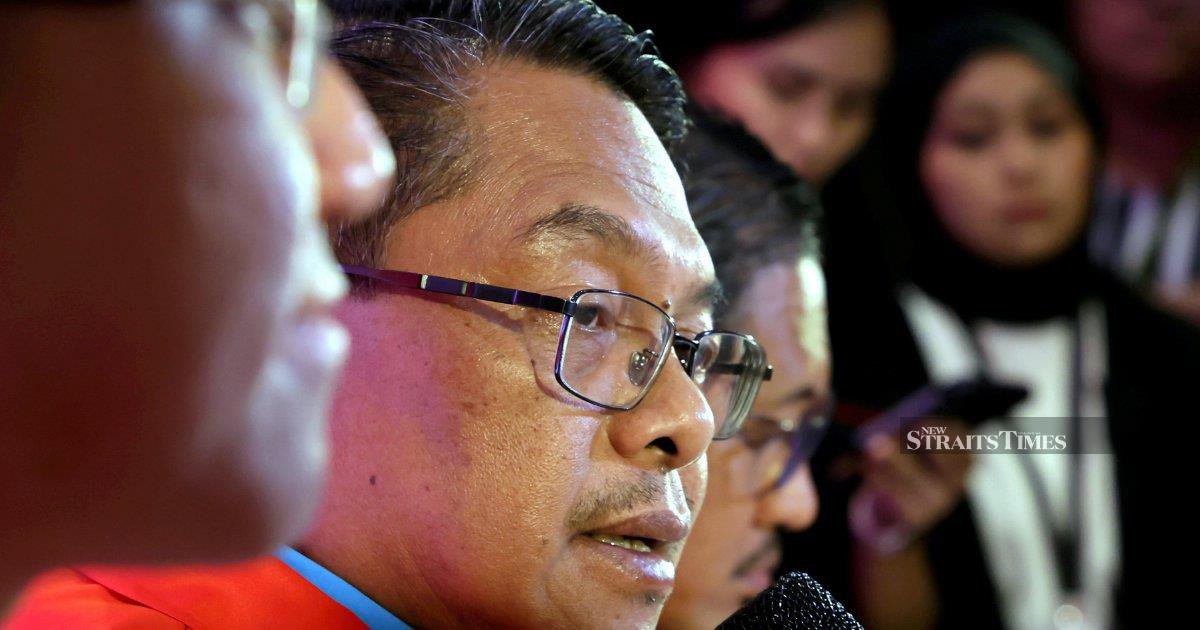
The proposal to grant Sabah and Sarawak a combined 35 per cent share of parliamentary seats has not been finalized but remains actively being debated within the framework of the Malaysia Agreement 1963, according to Datuk Mustapha Sakmud, the Minister in the Prime Minister's Department responsible for Sabah and Sarawak Affairs. His statement indicates that discussions around enhanced representation for the two states continue as a legitimate agenda item within the broader MA63 review process that has gained momentum over recent years.
The Malaysia Agreement 1963, which formalized the federation of Sabah and Sarawak with Malaya to create modern Malaysia, has long been a touchstone for grievances and aspirations in the two eastern states. Both regions have consistently argued that their constitutional position as equal partners in federation warrants greater influence over national decision-making, a sentiment that has intensified as economic disparities and perceived marginalization have become more pronounced. The parliamentary representation issue sits at the heart of these demands, as it directly affects how effectively the states can advocate for their interests at the federal level.
Currently, Sabah holds 25 parliamentary seats while Sarawak commands 31 seats, giving their combined delegation approximately 17 per cent of the 222-member parliament. The proposal to elevate this to 35 per cent would represent a substantial recalibration of political power dynamics within the federation, effectively granting the two states control over roughly 78 parliamentary seats. Such a shift would significantly alter coalition mathematics and make both states indispensable to any federal administration seeking majority support, fundamentally transforming their negotiating leverage.
The inclusion of this matter within MA63 discussions underscores how the agreement has evolved beyond its original scope as a purely constitutional document into a comprehensive framework for addressing state-federal relations. When Sabah and Sarawak leaders have raised representation concerns in recent years, they have consistently anchored their arguments in the spirit and letter of MA63, contending that the federation's founding document envisioned them as coequal entities whose voices should carry proportionate weight. The ongoing nature of these talks reflects acknowledgment from federal authorities that legitimate grievances require serious engagement rather than dismissal.
For Malaysian readers, the implications extend beyond parliamentary mathematics. Enhanced representation for Sabah and Sarawak could reshape how major policy decisions are made on issues ranging from resource management to infrastructure investment. These states control vast territories and significant natural resources, yet historically have felt their needs receive inadequate attention from Kuala Lumpur. Greater parliamentary clout could translate into improved budget allocations, faster infrastructure development, and more responsive governance in areas where geographical remoteness and demographic sparseness have created persistent development gaps.
The timing of continued negotiations carries political significance. Federal administrations seeking stability benefit from having Sabah and Sarawak as willing partners, and both states have demonstrated they will leverage their parliamentary importance to extract concessions. By keeping representation discussions active rather than resolving them definitively, negotiators maintain a fluid situation where both sides retain incentives to cooperate. For Sabah and Sarawak, the ongoing dialogue itself represents validation that their constitutional claims merit federal consideration, even if final outcomes remain uncertain.
Regionally, this discussion resonates across Southeast Asia, where federal arrangements often involve tensions between central authorities and constituent states or regions. Indonesia's ongoing relationship with Papua and West Papua, the Philippines' complicated federalism debates, and Malaysia's own Peninsular-Borneo dynamics all reflect common challenges in managing diverse, geographically dispersed nations. How Malaysia addresses MA63 and representation questions could influence how other regional governments approach similar constitutional and governance questions affecting their own peripheral regions.
The 35 per cent proposal itself warrants scrutiny regarding feasibility and broader consequences. Implementing such a change would require constitutional amendment, a process demanding two-thirds parliamentary support and potentially triggering renegotiation of other constitutional provisions. Some federal constituencies and states might feel disadvantaged by redistribution, potentially creating resistance elsewhere. Additionally, whether increased parliamentary representation alone addresses underlying developmental and resource governance concerns remains debatable; substantive outcomes depend on how the additional seats translate into actual policy influence and budgetary outcomes.
Minister Mustapha's confirmation that discussions continue sends multiple signals simultaneously. To Sabah and Sarawak audiences, it suggests their concerns receive serious consideration and that persistence in advocating for constitutional change produces tangible results. To the broader Malaysian public, it indicates the federal government recognizes the legitimacy of MA63-based claims and is willing to engage creatively with constitutional matters affecting the federation's unity and stability. The deliberate pace of these negotiations likely reflects careful calibration to manage expectations on all sides while building consensus for substantive changes that could reshape Malaysia's political landscape for decades ahead.

