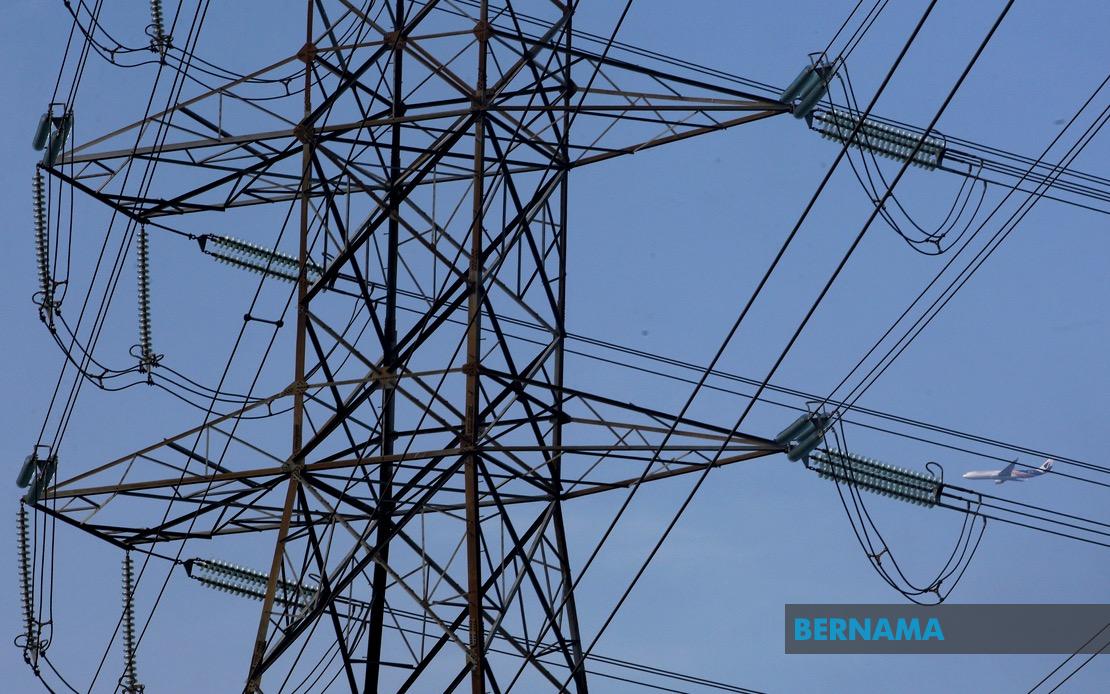
Sabah Electricity announced on June 29 that it will impose scheduled power rationing across multiple areas throughout the state, a consequence of reduced generation capacity triggered by interruptions to gas supply feeding several thermal power plants. The measure reflects growing supply pressures on the Sabah Grid System, where operational reserves have tightened significantly, necessitating controlled load management to forestall cascading blackouts that could affect far broader populations.
The reserve margin—the buffer between peak demand and available generation—has shrunk to levels that demand active intervention. By implementing scheduled outages in rotation across defined areas, Sabah Electricity seeks to maintain overall system frequency and voltage stability, preventing the kind of uncontrolled failure that would leave consumers without power for unpredictable durations. This controlled approach, while still disruptive, allows the utility to manage demand more carefully than emergency blackouts would permit.
Gas supply constraints represent a critical vulnerability in Sabah's energy infrastructure. Liquefied natural gas and piped gas feed most of the state's thermal generation capacity, making the system sensitive to disruptions at production facilities, export terminals, or delivery pipelines. The current incident underscores how dependent the state remains on fossil fuel imports, a structural reality that limits flexibility when supply chains encounter problems. For Malaysian policymakers watching from Kuala Lumpur, Sabah's predicament mirrors nationwide concerns about energy security and the need for diversified generation portfolios.
Sabah Electricity pledged that the rationing scheme is temporary and will be withdrawn once generation capacity recovers and grid conditions stabilise. The utility is coordinating with suppliers and other stakeholders to restore full production as rapidly as feasible. However, the timeline for resolution remains unclear, and consumers should prepare for rationing to persist for an unspecified period. The lack of a concrete restoration date reflects the complexity of gas supply logistics and the time required to diagnose and remedy upstream problems.
Operations teams are simultaneously optimising grid management protocols to minimise consumer impact. This includes adjusting load distribution across substations, coordinating with major industrial and commercial customers to shift non-essential usage away from peak periods, and potentially negotiating temporary demand reductions with large power users. Such operational fine-tuning can marginally reduce the severity and frequency of rationing, though it cannot eliminate the need for scheduled cuts given the underlying capacity shortfall.
The company will distribute updated lists of affected areas and rationing schedules through its official Facebook page and by phone via the customer service line 15444. This dual-channel notification approach aims to reach consumers across digital and traditional communication platforms, though internet penetration and social media adoption vary significantly across Sabah's urban and rural communities. Reliance on Facebook as a primary information source may inadvertently exclude older consumers and those in areas with limited connectivity, potentially creating confusion about when rationing applies to specific neighbourhoods.
Sabah Electricity stressed that residents should consult only official company channels to avoid misinformation. During periods of infrastructure stress, unverified claims circulate rapidly through word-of-mouth and messaging applications, sometimes exaggerating outage durations or geographic scope. The utility's emphasis on official sources reflects awareness that public confidence erodes when conflicting information circulates unchecked, and that accurate communication reduces anxiety and supports compliance with demand management requests.
The rationing announcement carries implications beyond immediate inconvenience. Repeated or prolonged power cuts undermine economic productivity, deter manufacturing investment, and complicate healthcare delivery and education. Small businesses dependent on continuous electricity—food retailers, telecommunications services, manufacturing workshops—face inventory losses and operational disruption. Hospitals and clinics must rely on backup generators, consuming fuel stocks and adding costs. Schools may struggle to maintain learning schedules if outages extend through daytime hours.
For Southeast Asia more broadly, Sabah's situation illustrates a recurrent challenge facing island and peninsular energy systems: the tension between fossil fuel reliance and supply chain vulnerability. Malaysia's wider electricity network, while better diversified than Sabah's, remains substantially dependent on natural gas for generation. Recent energy crises in other regional economies have demonstrated how quickly supply shocks can cascade into load-shedding and economic disruption. Sabah's temporary rationing may serve as a cautionary signal regarding infrastructure resilience.
The utility's apology to customers and appeal for patience reflect acknowledgment that rationing, however necessary, represents a failure to meet normal service expectations. Consumers already contending with economic pressures experience additional hardship when power becomes intermittent. The company's tone suggests awareness that public trust depends on transparent communication and demonstrable progress toward restoration, not merely on technical explanations of grid mechanics.
Moving forward, the incident underscores the urgency of diversifying Sabah's generation mix beyond gas-fired plants. Renewable energy development—solar installations, hydroelectric capacity expansion where geographically feasible—could reduce vulnerability to gas supply disruptions. Energy storage systems, though currently expensive, offer technical pathways to buffer intermittent supply. Policy discussions in Sabah's state government and within broader Malaysian energy planning circles should prioritise these longer-term resilience measures, ensuring that temporary rationing does not recur as a chronic feature of the state's power system.

