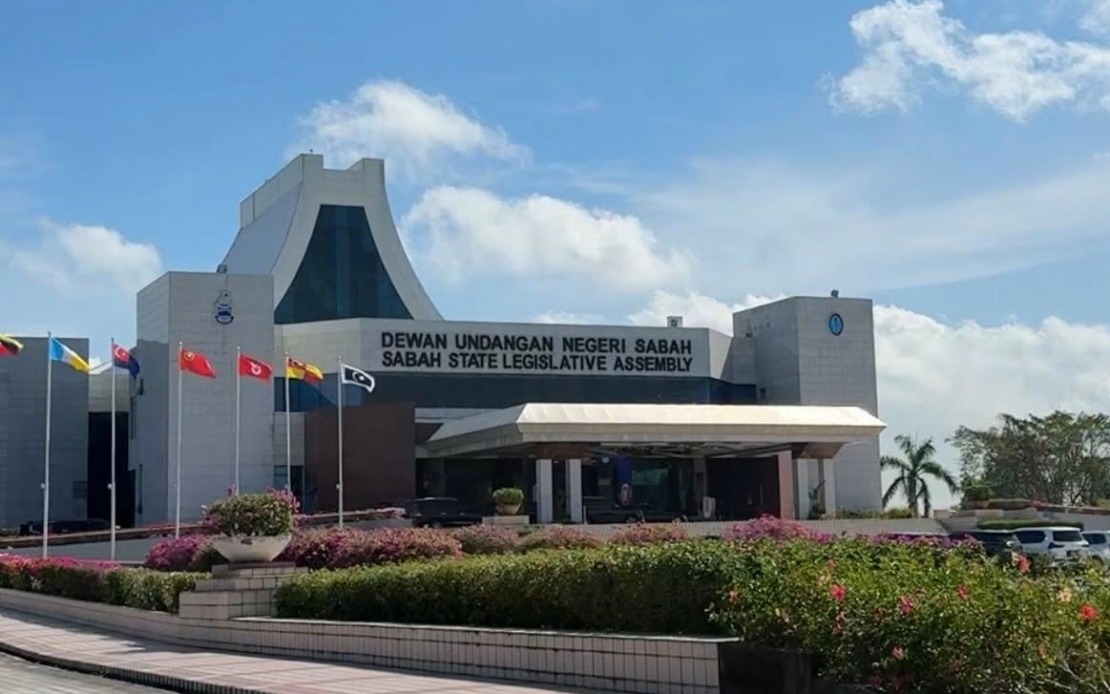
The Sabah State Legislative Assembly has cleared a RM1.61 billion supplementary supply bill for 2026, with lawmakers voting unanimously to approve the expanded budget allocation during proceedings in Kota Kinabalu on July 21. Deputy Chief Minister II and State Finance Minister Datuk Seri Masidi Manjun tabled the measure the previous day, and it secured majority backing through a voice vote conducted under the supervision of Sabah State Legislative Assembly Deputy Speaker Datuk Al Hambra Tun Juhar after 42 assemblymen participated in deliberations.
The financial package represents a significant injection of additional resources into Sabah's operations and development agenda, distributed across six distinct spending categories that reflect the state government's strategic priorities. The largest allocation, RM856 million, flows into statutory fund contributions—a designation that typically encompasses mandatory payments to government pension schemes, sinking funds, and other legislatively mandated financial obligations. This category ensures the state meets its long-term liabilities and sustains essential institutional frameworks without disrupting other budgetary functions.
Operating expenditure accounts for the second-largest portion at RM278 million, a allocation directed toward day-to-day government activities including salaries, utilities, maintenance, and routine administrative costs necessary to keep state machinery functioning. Development expenditure receives RM210 million, resources earmarked for capital projects that expand infrastructure, public facilities, and long-term economic assets across Sabah's diverse districts. This investment category directly influences the pace of development, from road construction and water supply improvements to educational facilities and healthcare infrastructure.
Administrative expenditure of RM162 million supports the overhead requirements of state ministries and departments, covering costs associated with office operations, procurement, and internal administration. State grants amounting to RM93 million appear directed toward supporting local authorities, community programmes, or sector-specific initiatives that extend the state government's reach beyond direct service delivery. The final RM13 million in special allocations provides flexibility for targeted interventions or unforeseen priorities that emerge during the financial year.
The assembly's approval of this supplementary bill underscores Sabah's financial responsiveness to evolving economic conditions and operational demands. Supplementary appropriations typically arise when initial budget estimates prove insufficient or when new priorities require funding mid-year. The scale of this allocation—approaching 5 percent of typical annual state government spending—suggests either significant cost pressures or deliberate mid-year policy adjustments by the Sabah administration under Chief Minister Datuk Hajiji Noor's leadership.
For Malaysian observers, the bill's passage demonstrates how state assemblies exercise fiscal oversight and approve government spending. Unlike the federal Parliament, which operates under different legislative calendars and political dynamics, Sabah's assembly functions as the primary mechanism through which lawmakers scrutinise executive resource allocation. The involvement of 42 assemblymen in debate indicates substantial engagement with the measure, though the unanimous voice vote suggests relative cross-party consensus on the necessity of these additional expenditures.
The timing of this supplementary bill in mid-2026 aligns with typical budget cycle patterns, when mid-year reviews often reveal adjustments needed to balance forecasts against actual performance. Sabah's diversified economy, spanning plantation agriculture, fishing, manufacturing, and emerging sectors, creates variable revenue streams that sometimes necessitate budget recalibration. The statutory contribution component suggests the state is prioritising maintenance of institutional obligations, a fiscally conservative approach that protects long-term credibility.
Context within Sabah's broader development strategy reveals interesting priorities. The emphasis on development expenditure—maintaining nearly 13 percent of the supplementary allocation for capital works—indicates continued commitment to visible infrastructure improvements. This focus matters politically and economically; infrastructure gaps remain a constraint on Sabah's economic potential, particularly in rural areas where connectivity and service availability lag more developed Malaysian regions. Development allocations here likely support targeted projects addressing these gaps.
The approval process itself reflects routine legislative functioning in Sabah, where the government commands assembly support. The lack of reported controversy suggests either effective opposition cooperation or limited questioning of the expenditure categories, both reflecting the substantive consensus underlying these allocations. For Southeast Asian fiscal observers, Malaysia's state-level budget management demonstrates sophisticated subdivision of appropriations and the ability of state legislatures to manage complex financial frameworks.
The assembly's scheduled resumption the following day indicates a full legislative agenda, suggesting Sabah's government maintains active parliamentary engagement throughout the year rather than concentrating business into specific sessions. This pattern allows responsive governance while maintaining accountability through regular assembly convening. The assembly's passage of this bill equips the Sabah administration with additional resources to pursue stated priorities without requiring new legislation or emergency appropriations for the remainder of 2026.
Looking forward, the successful approval signals fiscal stability and executive-legislative alignment in Sabah's governance. The distribution across multiple expenditure categories demonstrates sophisticated budgeting rather than concentrated spending, reducing risks of fiscal imbalance in any single area. For Malaysian stakeholders following state-level developments, this approval confirms Sabah's continued ability to mobilise resources for development despite the complex fiscal arrangements that govern Malaysia's federal system.

