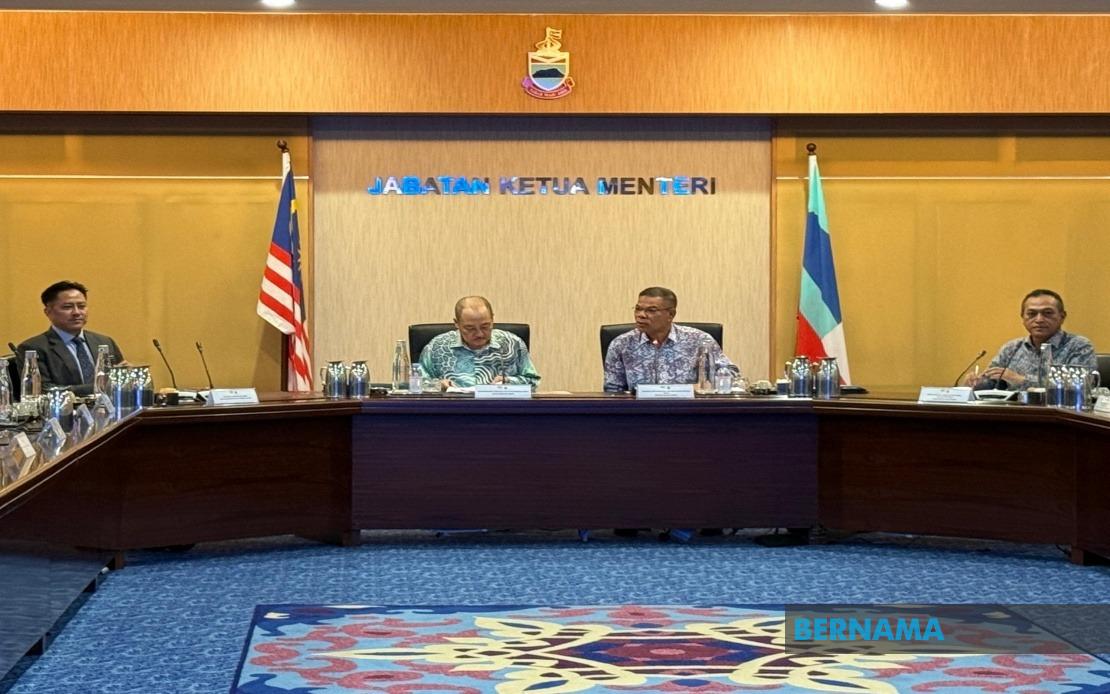
Sabah's leadership is mounting a concerted diplomatic initiative designed to convince foreign diplomatic missions in Malaysia to reassess and downgrade their travel warnings for the state's eastern regions, citing substantial improvements in maritime security and the absence of serious incidents. Chief Minister Datuk Seri Hajiji Noor articulated this position following a high-level strategic meeting of the Eastern Sabah Security Zone Joint Committee held in Kota Kinabalu, underscoring the interconnection between security gains and economic recovery in the region.
The diplomatic campaign represents a critical lever for regional economic development, particularly in revitalising the tourism sector along Sabah's eastern coastline. Currently, elevated travel advisories issued by numerous foreign governments deter international visitors from exploring attractions and destinations in areas such as Tawau, Lahad Datu, and the surrounding archipelago. Hajiji emphasised that meaningful engagement with diplomatic representatives, coupled with transparent communication about measurable security achievements, would substantially strengthen international visitor confidence and facilitate increased tourist arrivals to these economically significant zones.
Central to Sabah's reassurance campaign is the documented track record of the Eastern Sabah Security Zone, which has recorded zero kidnap-for-ransom incidents since January 2020—a six-year milestone that represents a dramatic transformation from the region's troubled past. This extended period of stability reflects sustained operational effectiveness by security agencies and underscores the fundamental shift in the security landscape that warrants reconsideration of outdated advisory frameworks. The absence of such incidents, which previously plagued the region and generated international headlines, constitutes quantifiable evidence that conditions have fundamentally altered.
The Joint Committee meeting, jointly chaired by Hajiji alongside Home Minister Datuk Seri Saifuddin Nasution Ismail, demonstrated renewed coordination between state and federal authorities on regional maritime security architecture. This alignment signals confidence in existing security protocols and suggests unified messaging when engaging with foreign diplomatic missions. The participation of both levels of government lends institutional weight to the effort and indicates that security reassessment discussions will be grounded in official, coordinated positions rather than isolated advocacy from regional actors.
Hajiji recently undertook a comprehensive inspection tour of six strategic island installations throughout Sabah's maritime jurisdiction, examining security infrastructure and evaluating operational capacity at frontier posts. This hands-on assessment allowed the Chief Minister to gather direct intelligence regarding equipment adequacy, personnel deployment, and readiness levels—information essential for substantiating claims of enhanced security to sceptical foreign interlocutors. Such field-level verification bolsters the credibility of official statements made during diplomatic engagements and demonstrates serious commitment to continuous improvement.
The Eastern Sabah Security Command (ESSCOM), operating as the integrated command structure overseeing the region's security apparatus, has emerged as the institutional centrepiece of this transformation. Complementing ESSCOM's efforts are coordinated contributions from the Royal Malaysia Police, Malaysian Armed Forces, and the Malaysian Maritime Enforcement Agency, creating a multi-layered security framework that addresses both terrestrial and maritime threat vectors. The collaborative approach acknowledges that traditional piracy, kidnapping for ransom, and irregular maritime activities require sustained, layered responses rather than isolated interventions by single agencies.
For Malaysia and Southeast Asia more broadly, the Sabah initiative carries wider significance regarding perceptions of regional stability and the relationship between security improvements and economic opportunity. The region historically struggled with kidnapping networks operating across porous maritime boundaries, creating a reputation challenge that extended beyond actual statistical risk. As this reputation gradually shifts through demonstrated results, the role of diplomatic communication becomes increasingly important—foreign governments and tourism boards require credible, official confirmation that security improvements are genuine and sustainable before revising advisory positions that may have served protective purposes during higher-risk periods.
The diplomatic dimension of this effort reflects an emerging recognition that security threats are not purely operational matters but also narratives requiring management through strategic communication channels. Travel advisories function as powerful economic tools, effectively quarantining regions from international tourism markets until conditions demonstrably improve. Consequently, sustained diplomatic engagement with embassy security officers, travel advisory committees, and tourism bodies represents an investment in regional economic recovery that complements on-the-ground security operations. The two efforts must proceed in parallel to achieve meaningful results.
Sabah's government has committed to sustained collaboration with the Home Ministry to progressively enhance security infrastructure, upgrade surveillance and communication systems at frontier installations, and maintain elevated operational readiness across the Eastern Sabah Security Zone. These commitments address the fundamental requirements that foreign governments typically evaluate when reconsidering travel advisories—demonstrable investment in prevention, capability maintenance, and personnel welfare. The inclusion of personnel welfare considerations signals recognition that sustained security operations depend on well-resourced and supported personnel stationed in challenging frontier environments.
The presence at the committee meeting of ESSCOM Commander Datuk Victor Sanjos, ESSCOM Chief Executive Officer Datuk Dr Jamaluddin Mohd Ali, and senior officials from both state and federal governments underscores the institutional seriousness attached to the diplomatic initiative. This gathering of operational and administrative leadership reflected genuine strategic alignment on the importance of converting security achievements into tangible economic benefits through updated international advisory frameworks. The participation of the Sabah State Secretary and Home Ministry Secretary-General indicated that diplomatic outreach would be pursued through established governmental channels rather than ad hoc mechanisms.
Moving forward, the success of Sabah's diplomatic campaign will depend on sustained, credible communication with foreign embassies, consistent demonstration of security improvements, and strategic management of any incidents that might arise. The six-year kidnapping-free record represents compelling evidence, yet maintaining this achievement while simultaneously persuading foreign governments to revise established advisory positions will require patience, persistence, and transparent engagement with legitimate security concerns that foreign missions continue to monitor.

