Sabah's state government has received half of a RM1.5 billion interim special grant from the Federal Government, with officials now calling urgently for the outstanding RM900 million to be released before the year concludes. The initial tranche of RM600 million arrived on June 12, following an announcement by Prime Minister Datuk Seri Anwar Ibrahim during the Kaamatan Festival celebration on May 30. The development comes amid ongoing negotiations over the state's long-standing dispute regarding revenue entitlements under the Federal Constitution.
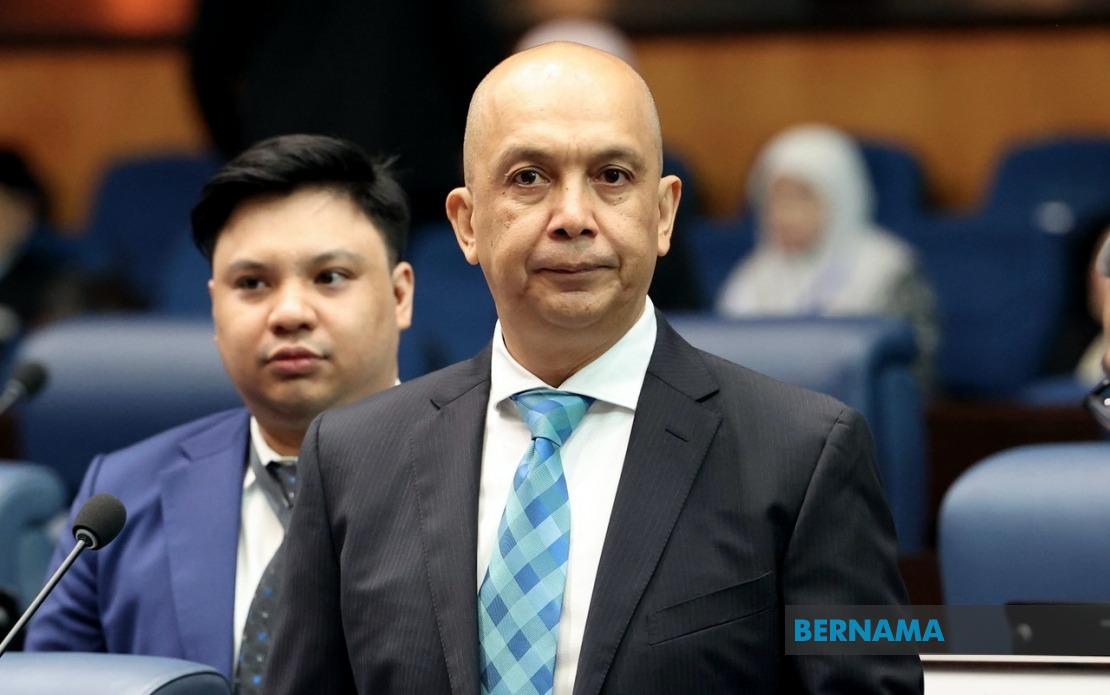
Assistant Finance Minister II Datuk Mohd Ishak Ayub stressed that acceptance of the RM600 million payment must not be misinterpreted as Sabah abandoning its claims to the full constitutional allocation. Instead, he characterised the interim arrangement as a temporary measure pending resolution of the substantive dispute. The state government's position reflects a careful balancing act: accepting federal assistance while preserving legal grounds to pursue additional claims through constitutional channels. This approach allows Sabah to address immediate financial needs without surrendering rights to pursue what officials believe is owed under existing law.
The constitutional foundation for Sabah's claims rests on Articles 112C and 112D of the Federal Constitution, which establish a formula governing revenue distribution between the federal and state governments. Sabah has long maintained that it is entitled to receive 40 per cent of certain federal revenues, a provision that officials argue has not been fully honoured in practice. The interim grant arrangement appears designed to provide the state with additional resources while the broader constitutional question remains under examination. By accepting the payment without prejudice, Sabah preserves its ability to pursue the remaining portion of what it contends it constitutionally deserves.
The timeline of events demonstrates the intensive nature of recent negotiations between the two governments. After Prime Minister Anwar's May 30 announcement, a series of formal correspondences passed between federal and state authorities on June 9, 19, and 26, ultimately culminating in the June 12 transfer of the first RM600 million. This rapid succession of communications underscores the significance both levels of government attach to resolving this longstanding fiscal dispute, which has implications not only for Sabah's developmental capacity but also for federal-state relations across Malaysia more broadly.
For Malaysian observers and policymakers, the Sabah situation illustrates broader tensions in the federation regarding resource allocation and constitutional interpretation. Sabah, as an East Malaysian state with distinct constitutional protections negotiated at the time of federation, occupies a unique position in the Malaysian structure. The current negotiations reflect an effort to accommodate both the financial realities facing the federal government and legitimate state grievances regarding historical revenue shortfalls. How this dispute is ultimately resolved could establish precedents affecting other states and the stability of federal-state fiscal arrangements.
While the emphasis on the revenue dispute has dominated discussion, the state government is simultaneously addressing welfare provision for its residents. Assistant Minister of Women, Health and People's Wellbeing Datuk Rina Jainal confirmed that state-level welfare assistance would remain within the RM200 to RM350 range, though any future increases would depend on Sabah's financial position improving. This statement carries particular weight given the state's recurring fiscal challenges and suggests that relief funding is not automatically forthcoming despite the interim grant being negotiated. The condition linking welfare expansion to improved financial circumstances highlights how tight budgetary constraints continue to constrain social spending even as the state pursues additional federal resources.
On the federal welfare front, Rina noted that expansion of assistance rates depends on budget decisions made during Parliament's annual budget deliberations. However, the state has expanded eligibility criteria based on current poverty assessments. The household income threshold for welfare eligibility has been adjusted upward from RM1,198 in 2025 to RM1,236 in the current year, reflecting updated cost-of-living considerations. This modest adjustment, while significant for households near the poverty line, underscores the incremental nature of welfare improvements available to vulnerable populations in Sabah.
The broader implications of Sabah's push for the remaining RM900 million extend beyond immediate fiscal concerns. Resolution of this dispute carries symbolic importance for state-federal relationships and for East Malaysian interests more generally within the federation. How the Federal Government responds to the state's formal request for disbursement of the remaining funds within the current calendar year will signal the government's commitment to addressing long-standing grievances and maintaining productive relations with state administrations, particularly those with constitutional peculiarities requiring special accommodation.
Looking forward, several questions remain unresolved regarding both the interim arrangement and the permanent settlement of Sabah's revenue claims. The state government's continued assertion that the interim payment does not constitute final agreement suggests that further negotiations lie ahead. The resolution of these discussions could shape federal-state fiscal relations for years to come and may influence how other states view their own constitutional entitlements. For investors and observers monitoring Malaysia's political stability, the Sabah situation represents an important test of the federal system's capacity to accommodate regional interests while managing overall national fiscal constraints.

